Buying property in Barcelona

A clear guide to buying property in Barcelona.

One decision at a time.

Buying property in another country can feel overwhelming at first. There are unfamiliar laws, new paperwork, different buying customs and a lot of conflicting advice online. Fortunately, the process itself is actually quite logical once you understand what happens next.

The biggest mistake is not asking a basic question. It is making an important decision because you felt you were already supposed to know the answer.

Opening the door to an elegant Barcelona apartment building with keys in hand
The destination is simple The paperwork, negotiations and due diligence all lead to one very tangible moment: opening the door to a property that is finally yours.

Guide To Buying Property In Barcelona

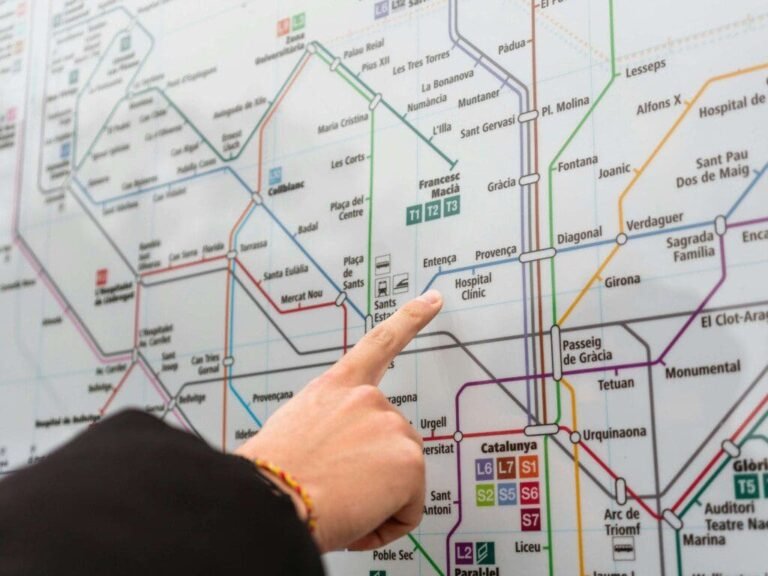
Family reviewing map barcelona

Step one · The legal starting point

Can foreigners buy property in Barcelona?

Yes. International buyers purchase homes in Barcelona as both Spanish residents and non-residents.

Your nationality is rarely the complicated part of the purchase. The practical work is making sure you have the right identification, a credible financial plan and independent professionals checking the property before you commit. In other words, being allowed to buy and being ready to buy are not quite the same thing.

Frank’s perspective Most international buyers do not need help obtaining permission to buy. They need help putting the legal, financial and practical pieces in the right order.

Ownership

You can buy as a non-resident.

You do not need to become a Spanish resident before beginning a property purchase. Buyers living abroad regularly complete transactions in Spain, although financing, taxation and practical administration may differ from those of a resident buyer.

Identification

You will need an NIE.

The Número de Identidad de Extranjero is your Spanish identification number as a foreigner. It appears throughout the purchase documentation and should be arranged early rather than left until an apartment has already been found.

Financial preparation

The money must be explainable.

Banks and legal professionals may need documentation showing where the purchase funds come from. Preparing income records, bank statements and proof of savings early avoids trying to reconstruct the financial story while a transaction is moving.

Legal protection

Permission to buy is not due diligence.

The property still needs to be checked for ownership, registered charges, debts, planning issues, community obligations and anything else that could affect the purchase or your plans for the home.

The first document to organise

What exactly is the NIE?

The NIE is a personal identification number assigned to foreigners who have an economic, professional or social connection with Spain. Buying property is an economic reason for requesting one.

It is not the same thing as residency, and receiving an NIE does not by itself mean that you live in Spain. Think of it as the number that allows Spanish institutions to identify you consistently throughout the transaction.

It can be requested in Spain or, depending on your circumstances, through a Spanish consulate or an authorised representative. The important point is to begin early: finding an apartment first and then discovering that the identification paperwork is delayed adds unnecessary pressure.

Read the complete NIE guide
Before serious viewings begin

The strongest starting position is not simply “I can buy.” It is knowing who will sign, how the purchase will be funded and who will protect your interests when the right property appears.

  • NIE application started or completed
  • Cash and financing plan tested
  • Source-of-funds documents organised
  • Independent lawyer identified
  • Real total budget understood

Step two · The real purchasing budget

How much money do you actually need?

More than the listing price. The property price is only one part of the amount required to complete the purchase comfortably.

Buyers naturally begin with the money available for the apartment. I prefer to work backwards from the total amount the buyer can safely commit. Taxes, professional fees, financing expenses and the first work required after completion all compete for the same pool of cash.

Frank’s perspective Your maximum mortgage and your maximum purchase price are not the same number. Neither one should automatically become your search budget.

The number that matters

Total available capital purchase costs cash reserve realistic property budget

This calculation should happen before the shortlist is built. It is much easier to search within a realistic price range than to fall in love with apartments that consume money already needed elsewhere.

The largest additional cost

Purchase taxes

A resale home normally attracts Catalonia’s property-transfer tax. A qualifying new-build purchase uses a different structure: IVA and AJD. The correct calculation depends on the property, price and buyer’s circumstances.

Independent advice and execution

Professional fees

Allow for your independent lawyer, notary and Land Registry costs, any administrative gestoría work and Barcelona Home Hunter’s 3% buyer-representation success fee.

When a mortgage is involved

Financing expenses

The valuation, bank-related administration and any mortgage-broker fee should be separated from the deposit. Currency conversion can also become a meaningful cost when funds are held outside the euro.

The purchase is not the finish line

The property itself

Renovation, furniture, appliances, insurance, utility setup and immediate community expenses do not disappear because they are not written into the purchase contract. Protect money for the first months of ownership.

Resale and new-build taxation

The tax structure depends on what you buy.

Resale homes and new properties are not taxed in the same way. These are the general planning figures—not a substitute for transaction- specific tax advice or confirmation of any reduced rate.

Resale property

Transfer tax

10% on a property priced up to €600,000

Above €600,000, the general Catalonia rate is progressive. The higher rate applies to the relevant portion of the property value, rather than replacing the rate on the entire amount.

  • Up to €600,000 10%
  • Portion from €600,000 to €900,000 11%
  • Portion from €900,000 to €1,500,000 12%
  • Portion above €1,500,000 13%
Standard new residential property

IVA and AJD

Generally 10% IVA + 1.5% AJD

The first sale of a new residential property normally uses IVA instead of resale transfer tax. In Catalonia, a standard taxable purchase formalised in a public deed also attracts AJD.

  • Residential IVA 10%
  • Standard Catalonia AJD 1.5%
  • Combined tax starting point 11.5%

15–17% My typical resale planning range above the agreed price when working with Barcelona Home Hunter

For a typical resale purchase within the standard 10% transfer-tax band, I generally recommend beginning with approximately 15–17% above the agreed property price.

That working range includes transfer tax, legal and completion expenses, my 3% buyer-representation success fee and enough breathing room to avoid treating every smaller invoice as an emergency.

It is a planning range—not a promise that every purchase will land inside it. Higher-priced properties, unusual legal work, mortgage costs, renovation or a different tax position can change the total.

Do not arrive at the notary with nothing left

The goal is not to spend every available euro successfully. It is to complete the purchase and still have enough flexibility to enjoy owning the property afterwards.

  • Renovation or immediate repairs
  • Furniture and appliances
  • Currency movement or bank delays
  • Community fees and special assessments
  • A genuine post-completion reserve

Planning note: Tax rates and eligibility for reductions depend on the property, transaction date and buyer’s circumstances. Whole residential buildings, large-property holders and certain specialised transactions may be subject to different treatment. Final figures should be confirmed by the buyer’s lawyer or tax adviser before signing.

Step four · Property search strategy

Finding the right property is rarely the difficult part.

Choosing the right one is. Listings are plentiful. Clear, well-supported decisions are much harder to find.

Online portals have made searching easier than ever. They have not made deciding easier. Professional photographs hide problems, descriptions omit important context and two apartments with similar specifications can create completely different lives. My role is not simply to send listings. It is to help you evaluate the options before enthusiasm becomes an expensive commitment.

Frank’s perspective The apartment is not competing against your dream. It is competing against every suitable apartment that has not appeared on the market yet.
Property search is a decision process

The goal is not to view the greatest number of apartments. It is to reach the right decision with the least avoidable confusion.

That means defining the requirements before searching, filtering weak options early, evaluating every serious property consistently and understanding when new information should change the plan.

Four phases of a professionally managed search

Define. Observe. Evaluate. Decide.

Each phase has a different purpose. Skipping one usually creates unnecessary viewings, emotional decisions or problems that appear much later than they should.

Define

Build a better shortlist.

Before arranging appointments, we establish the priorities, constraints and compromises that will shape the search. Budget, lifestyle, bedrooms, light, lift access, condition, location and future plans all need a clear place in the decision. Not every listing deserves a viewing.

The objective is not the biggest shortlist. It is the smartest one.

Observe

Look beyond the listing.

A property begins before we enter the apartment. The street, building entrance, common areas, lift, neighbouring uses and surrounding noise all affect ownership. Inside, we test whether the light, layout, orientation and condition support the claims made by the photographs.

A beautiful room cannot compensate for a building or location that does not work.

Evaluate

Compare like a professional.

After several viewings, details begin to blur. One apartment borrows the terrace from another, and the buyer remembers how a property felt more clearly than why it felt that way. Structured notes and scorecards create a consistent basis for comparison.

Good decisions rarely come from memory. They come from comparison.

Decide

Know when to walk away.

Walking away is not a failed viewing. Sometimes it confirms a priority, exposes a risk or prevents an emotional compromise from becoming permanent. Buying the wrong property quickly is rarely better than buying the right property slightly later.

Sometimes the most valuable property is the one you decided not to buy.

What photographs rarely tell you

The apartment begins outside its front door.

A viewing is not simply an inspection of the rooms. It is an opportunity to understand the property as part of a building, a street and an ordinary daily routine.

  • Street and commercial noise
  • Natural light at the viewing time
  • Orientation and heat exposure
  • Condition of common areas
  • Lift access and accessibility
  • Nearby construction or empty sites
  • Roof, façade and structural maintenance
  • Ventilation and internal courtyards
  • Layout efficiency and unusable space
  • Resale and future tenant appeal
The Barcelona Home Hunter decision framework

Every serious property should answer six questions.

The questions are deliberately broader than bedrooms and square metres. A property is only successful when it supports the buyer’s finances, plans and ordinary daily life.

1

Does this property support the way you actually want to live?

Lifestyle fit The apartment must work on an ordinary Tuesday—not only during an exciting twenty-minute viewing.

2

Does it support your plans for the next five to ten years?

Long-term suitability Consider work, family, mobility, rental potential and the possibility that your priorities may change.

3

Can you afford the property without sacrificing financial flexibility?

Financial resilience The cost includes more than the mortgage payment and should leave room for ownership after completion.

4

What risks have we identified—and which remain unresolved?

Risk awareness No property is risk-free. The question is whether the known risks are acceptable, manageable and reflected in the price.

5

Is it objectively stronger than the realistic alternatives?

Comparative value A property does not need to be perfect. It needs to make more sense than the other options available at the same budget.

6

Would you still want to buy it after the excitement settles?

Emotional discipline Urgency can be real, but it should not prevent a short pause to test whether enthusiasm is hiding an important compromise.

Every viewing should improve the search

A viewing does not have to end in an offer to be useful. It should confirm a priority, expose a compromise or make the next shortlist more precise.

  • Record observations immediately
  • Separate facts from first impressions
  • Identify deal-breakers explicitly
  • Compare with previous serious options
  • Update the search requirements when needed
The decision before the offer

The goal is not to find an apartment you can buy. It is to find one you will still be glad you bought after the excitement of the search has disappeared.

Next: offer strategy Once the property has survived the comparison, the next decision is how to pursue it—without confusing urgency with carelessness.

Step five · Offer, reservation and arras

How do you make an offer without moving blindly?

Move quickly—but know what the commitment means. The strongest offer combines a sensible price with credible financing, clear conditions and a realistic route to completion.

Once a property feels right, the pace changes. Other buyers may be interested, the seller wants certainty and everyone begins talking about deposits and deadlines. This is exactly when structure matters most. An offer should not be driven only by the fear of losing the apartment. It should reflect the property’s value, the unresolved risks and the dependencies that must still be completed before the purchase can safely reach the notary.

Frank’s perspective A strong offer is not only a number. It is a clear, credible plan for reaching completion.
The offer creates a new phase of the project

Price matters—but so do timing, financing, conditions, documentation and the buyer’s ability to do what the offer promises.

A slightly lower offer from a prepared buyer may appear more credible than a higher offer surrounded by uncertainty. Before submitting it, we should know the intended deposit, proposed completion date, financing status, legal conditions and any assumptions that could later prevent completion.

Four parts of a credible offer

The seller is evaluating more than your price.

Sellers want to know whether the buyer is serious, financially capable and likely to complete on the agreed terms. A well-structured offer answers those questions before they become objections.

Commercial decision

Set the price strategically.

The asking price is information—not proof of market value. We compare the apartment with realistic alternatives, consider its time on the market, condition and risks, and establish both an opening position and a maximum price before negotiations begin.

Decide your limit before the seller starts testing it.

Buyer credibility

Show that completion is realistic.

A clear explanation of the deposit, mortgage status, source of funds and intended timeline helps the seller assess execution risk. Preparation can strengthen the offer without increasing the price.

Certainty has value—especially when two offers are close.

Buyer protection

State the important conditions.

Financing, satisfactory legal review, documentation, agreed inclusions and completion timing should not remain vague if they are essential to the buyer’s ability or willingness to proceed. The lawyer should confirm how these conditions are documented.

An assumption is not protection until it is written clearly.

Delivery plan

Make the timeline achievable.

The proposed reservation, arras and completion dates must allow enough time for legal review, valuation, final mortgage approval, international transfers and any documents that still need to be produced.

A fast deadline is useful only when the dependencies can support it.

The commitments and their dependencies

An accepted offer does not mean every risk has disappeared.

The offer begins a chain of commitments. Before each one, the buyer should understand what has already been confirmed, what remains unresolved and what happens if a dependency fails.

Before the offer

Budget and strategy

Confirm the realistic ceiling, financing position, negotiation range and major known compromises.

Before transferring funds

Written terms

Identify the recipient, amount, purpose, refund conditions and obligations created by the payment.

Before arras

Legal review

Review ownership, charges, debts, documents, contractual clauses and any unresolved property-specific issue.

Before completion

Final execution

Complete valuation, mortgage approval, transfers, notary preparation and final contractual obligations.

Two documents buyers often confuse

A reservation and an arras contract are not interchangeable.

Both may involve money and an intention to purchase, but their legal effect depends on the document’s wording. Never assume that a smaller payment is automatically harmless or refundable.

Early-stage commitment

Reservation

Usually intended to remove the property from active marketing for a short period while the transaction moves toward fuller review and contract.

There is no single universal reservation document. Its effect depends on who receives the money and what the written terms say. The document should explain the price, duration, refund rules, conditions and next contractual step.

  • Who receives and holds the payment?
  • Is it credited toward the purchase price?
  • When is it refundable or non-refundable?
  • What must happen before the deadline?
  • Does the seller stop marketing the property?
Substantial private purchase contract

Arras

A detailed agreement recording the property, price, payment structure, completion deadline, obligations and consequences if the transaction does not proceed.

The deposit is often materially larger than the reservation payment and may reach approximately 10% of the price. The lawyer should confirm the type of arras, the withdrawal consequences and how financing or due-diligence conditions are treated.

  • Full identification of parties and property
  • Purchase price and payment schedule
  • Deposit amount and legal character
  • Completion deadline and notary arrangements
  • Conditions, obligations and default consequences
A common structure—not an automatic assumption

What are arras penitenciales?

Arras penitenciales are a form of deposit arrangement that expressly allows either party to withdraw under the agreed consequences. Under the usual Article 1454 structure, the buyer who withdraws loses the deposit, while the seller who withdraws returns double.

However, the word arras alone should not be treated as a complete legal explanation. Different deposit arrangements can serve different purposes, and the actual legal effect depends on the contract. Your lawyer should confirm that the language matches the protection and consequences you believe you are accepting.

A mortgage condition is particularly important for financed buyers. If the contract does not protect the buyer when financing fails, a declined mortgage may not automatically prevent loss of the deposit.

Buyer withdraws

Under the usual penitential structure, the buyer forfeits the agreed deposit.

Seller withdraws

Under the usual penitential structure, the seller returns double the deposit.

Before signing or transferring money

The buyer should understand the document as a set of commitments, deadlines and consequences—not as a formality required to secure the apartment.

  • Correct parties and property description
  • Ownership, charges and registered information
  • Community debts and known special assessments
  • Deposit recipient and payment instructions
  • Financing and due-diligence conditions
  • Furniture, appliances and other inclusions
  • Completion date and possession arrangements
  • Consequences of delay, default or withdrawal
Urgency with discipline

Moving quickly can win the property. Understanding the commitments is what helps you reach the notary without discovering that speed quietly transferred all the risk to you.

Next: completion and keys Once the arras contract is signed, the project changes again—from negotiating the purchase to delivering every remaining requirement before completion.

Step six · Completion and keys

What happens between signing the arras and receiving the keys?

Every remaining dependency must converge. The final weeks are about turning legal, financial and practical preparation into one coordinated completion.

After the arras contract is signed, the purchase can feel almost finished. In reality, this is when the transaction enters its most execution-heavy phase. The mortgage must be finalized, documents updated, funds positioned, the deed prepared and any outstanding contractual issue resolved before the appointment. Completion day should feel simple because the complicated work was completed before everyone sits down at the notary’s table.

Frank’s perspective The notary appointment is not where we discover whether the purchase is ready. It is where we confirm that every important dependency has already been delivered.
Completion is coordinated delivery

The buyer, seller, lawyers, bank, mortgage representative and notary are all working toward the same appointment—but not necessarily on the same tasks or timeline.

Good coordination means that every party understands what they must provide, who is waiting for it and what could delay the completion if it arrives late or incorrect.

Four workstreams before the notary

The transaction is only ready when every workstream is ready.

Progress in one area does not compensate for a missing requirement elsewhere. A completed valuation does not replace legal clearance, and signed bank documents do not replace the funds needed to close.

Legal workstream

Confirm the property is ready to transfer.

The lawyer checks the final ownership and registry position, confirms agreed documents, reviews any existing mortgage cancellation and verifies that outstanding contractual issues have been resolved before completion.

Legal due diligence must remain valid on the day the property changes hands.

Mortgage workstream

Convert approval into available funds.

The valuation, final underwriting, formal mortgage documents, mandatory timing requirements and signing arrangements must all be completed. The amount, recipient and payment method should be confirmed—not assumed.

A mortgage is useful only when it is ready to fund the agreed completion.

Funds workstream

Position the buyer’s money early.

The remaining purchase balance, taxes, fees and any bank shortfall must be available in the correct account and currency. Transfer limits, compliance reviews and international banking delays should be solved before they can threaten the appointment.

Money that exists but cannot arrive on time is not yet completion money.

Execution workstream

Confirm who signs, where and when.

The notary appointment, identification, powers of attorney, translators, bank representatives, payment instruments and key handover must all be coordinated. Small logistical assumptions can become large delays.

The final appointment should have no unidentified owner.

Completion readiness board

Ready means more than having a date in the calendar.

Before completion is treated as secure, the documents, money and people required to execute it should all have a confirmed status.

Documents

Reviewed and current

  • Final deed draft reviewed
  • Updated property information obtained
  • Community and tax documents available
  • Mortgage documentation completed
  • Powers of attorney checked where used
Funds

Available and allocated

  • Purchase balance calculated
  • Mortgage contribution confirmed
  • Buyer funds positioned
  • Payment method agreed
  • Taxes and completion costs reserved
People

Confirmed and coordinated

  • Buyer or representative available
  • Seller or representative confirmed
  • Notary appointment accepted
  • Bank representative arranged
  • Translation support booked if needed
The public deed

What happens at the notary?

The buyer and seller—or their authorized representatives—sign the public deed of sale. The notary verifies identity, reviews the legal act being completed and records the parties’ formal agreement to the transfer.

When a mortgage is involved, the mortgage deed and purchase deed are coordinated so that the bank’s funds and the buyer’s contribution reach the transaction correctly. The remaining purchase price is paid using the previously agreed method.

The deed should accurately reflect the property, parties, price, payments and relevant contractual arrangements. Questions should be resolved before signing, not accepted as details to understand later.

  1. Identity and authority are confirmed. The parties, representatives and any powers of attorney are checked.
  2. The deed and transaction are reviewed. The property, price, payment history and legal terms are formally recorded.
  3. Final payments are completed. Mortgage funds and the buyer’s remaining contribution are applied according to the agreed structure.
  4. The public deed is signed. The parties formally complete the purchase and sale.
  5. Possession and keys are delivered. Unless the contract provides otherwise, completion normally marks the transfer of control of the property to the buyer.
Before accepting the handover

The property should match the transaction you agreed to complete.

A final visit or handover check helps confirm that the property has not materially changed, agreed inclusions remain and the practical information needed to take control is available.

Final property check

Confirm the physical handover.

The purpose is not to repeat the entire inspection. It is to confirm that the agreed property is being delivered in the expected condition and with the items that formed part of the sale.

  • Property vacant where agreed
  • Agreed furniture and appliances present
  • No obvious new damage
  • Water and electricity functioning
  • Doors, windows and shutters checked
  • Storage room and parking included
  • Meter readings recorded
  • All available keys collected
Ownership information

Collect what the new owner will need.

The exact documents vary, but the buyer should know where to find the information needed to manage the property, community and utilities after the previous owner leaves.

  • Habitability certificate where applicable
  • Energy efficiency certificate
  • Community contact information
  • Utility bills or contract references
  • Appliance manuals and warranties
  • Alarm, access and building information
The project continues after signing

The keys are the milestone—not the end of every task.

Registration, taxes, utilities, insurance and community administration still need to move from transaction status into completed ownership.

Legal ownership

Register the purchase.

The deed is submitted to the Property Registry so the buyer’s ownership can be formally recorded. Any mortgage is registered alongside the acquisition where applicable.

Financial completion

Settle taxes and final costs.

The applicable purchase taxes, registry charges and remaining professional or administrative costs must be paid and documented within the required process and deadlines.

Practical ownership

Take control of the home.

Utilities, insurance, community communication, access systems and any immediate repairs should be transferred or arranged so the property can function normally from the first day.

The moment the project becomes real

Then you open the door.

The documents, viewings, negotiations, risks, transfers and deadlines all lead to one very ordinary and extraordinary moment: entering the property for the first time as its owner.

Successful completion

A good purchase does not merely reach the notary. It reaches the notary with the risks understood, the funds ready, the documents correct and the buyer still confident in the decision.

Next: the complete buying timeline With every phase explained, the next section can bring the entire journey together in one clear, dependency-based roadmap.

Practical note: Completion procedures vary according to the property, mortgage, contractual arrangements and notary. The buyer’s lawyer, bank and notary should confirm the exact documents, payments, signing arrangements and post-completion obligations for the individual transaction.

Before the roadmap

A few realities every buyer should understand.

Buying property is not difficult simply because there are many tasks. It becomes difficult when one decision is made before the information it depends on is ready. The smoother the preparation, the more predictable the purchase tends to become.

4–8 weeks A common planning range from signing the arras contract to completion

A straightforward Barcelona purchase often completes approximately four to eight weeks after the arras contract, although the agreed contract and individual transaction determine the real deadline.

Cash buyers may be able to move faster when the legal file is clean and both parties are organised. Mortgage buyers usually need more time for valuation, final underwriting, bank documentation and the coordination of funds.

Delays rarely come from the notary appointment itself. They usually begin earlier—with missing documents, unresolved legal questions, financing problems or money that is not yet positioned to complete.

Four avoidable risks

Where buyers most often lose clarity.

None of these mistakes is unusual. They normally happen when excitement accelerates the purchase faster than preparation can support it.

Emotional risk

Falling in love before evaluating the whole property.

Buyers naturally focus on the apartment first. But the building, street, noise, community finances and surrounding uses will shape everyday ownership just as much as the rooms themselves.

Financial risk

Treating the listing price as the total budget.

Taxes, representation, legal work, completion costs, financing and immediate property expenses must all be funded. A purchase price that consumes the full budget was never the real budget.

Contract risk

Rushing the arras contract.

Pressure to secure the property can encourage buyers to sign before financing, deadlines, refund conditions or unresolved legal issues are clearly understood. Urgency does not make those questions less important.

Legal risk

Treating due diligence as a formality.

The legal review is not paperwork performed after the buying decision. It is part of the decision. Its purpose is to identify obligations, limitations and problems before they become the new owner’s responsibility.

What I have learned working with international buyers

Buyers are rarely searching only for an apartment.

They are searching for confidence: confidence that the neighbourhood fits their life, the building is financially and physically sound, the costs are understood and the decision will still make sense after the excitement has passed.

That is why I spend far more time helping clients evaluate, compare and prepare than simply sending them listings. Finding an apartment is only one part of the work. Building enough clarity to make a good decision is the larger task.

The perfect apartment matters less than choosing the right building, the right street and the right long-term fit.

The roadmap below brings the complete journey together and shows how each phase creates the conditions needed for the next one.

Continue to the roadmap ↓

Step three · Preparing the financing

Can international buyers get a mortgage in Spain?

Yes—but prepare early. Spanish banks lend to both resident and non-resident international buyers, subject to their own lending criteria.

A mortgage should not be treated as the final administrative task after you find an apartment. It shapes the price range, the cash required, the type of property the bank will accept and how confidently you can negotiate. The strongest buyers begin serious viewings with their financial position already tested.

Frank’s perspective A mortgage approval tells you what the bank may lend. It does not tell you what you should spend.

Up to 70% A practical starting assumption for many non-resident mortgage discussions—not a guaranteed offer

For planning purposes, many non-resident buyers begin with potential financing of up to approximately 70% of the bank’s accepted property value. Residents purchasing a principal home may sometimes obtain a higher percentage.

The real offer depends on the bank, your income, age, employment, existing debt, country of residence, source and currency of earnings, loan term and the property itself.

The remaining purchase price, all acquisition costs and any renovation budget must normally come from the buyer’s own funds.

The borrower

The bank tests repayment capacity.

Income alone is not enough. The lender considers monthly commitments, existing loans, dependants, employment stability, age and the amount of income left after the proposed mortgage payment.

Income currency

Foreign earnings add another layer.

When the mortgage is in euros but your income is earned in another currency, the bank may take a more conservative view because exchange movements can change the real cost of the monthly payment.

The security

The property must work for the bank too.

Legal status, registered surface area, condition, marketability and valuation all matter. An unusual property may be perfect for you but less attractive to the lender as mortgage security.

Buyer contribution

The mortgage does not cover everything.

You still need your deposit, the portion of the price the bank will not finance, purchase taxes, professional fees and enough remaining cash for the property after completion.

The valuation risk

The bank does not simply finance a percentage of your offer.

The lender commissions or accepts an independent valuation to assess the property being used as security. When the accepted valuation is below the agreed purchase price, the buyer may need substantially more cash than originally expected.

Agreed purchase price €400,000 The amount negotiated with the seller
Bank valuation €360,000 The value accepted for the lender’s risk calculation

At 70% of a €360,000 valuation, the potential mortgage would be €252,000—not €280,000. The buyer must cover the €148,000 difference from the purchase price, plus taxes and other buying costs.

Before serious viewings

What does mortgage pre-approval actually give you?

A preliminary mortgage analysis tests your income, debts and documentation before a particular property is selected. It can show whether the intended budget is broadly credible and identify missing documents while there is still time to solve the problem calmly.

It also helps agents and sellers take the offer seriously. A buyer who can explain the deposit, financing and buying costs is easier to trust than someone who says, “The bank told me it should probably be fine.”

Pre-approval is not the final mortgage. The lender must still approve the chosen property, complete the valuation and issue the formal mortgage documentation.

Read the mortgage pre-approval guide
Make the financial story easy to follow

A strong application is not only about earning enough. It is about presenting a clear, documented picture of your income, debts, savings and source of funds.

  • Passport and NIE
  • Employment or business-income evidence
  • Tax returns and recent bank statements
  • Details of existing loans and commitments
  • Proof of deposit and purchase funds
  • Documents translated where required

Arrange the mortgage early enough that it expands your choices—not so late that it becomes the reason you lose the property.

Guide To Buying Property In Barcelona

buyer’s agent Barcelona

Who does what?

Buying property is a team effort.

One of the biggest surprises for many international buyers is discovering how many professionals are involved in a property purchase. Each has a different responsibility. Understanding those roles makes the entire process smoother and helps you know who to ask when questions arise.

Buyer

  • Defines priorities and budget
  • Makes the purchasing decisions
  • Provides documentation and funds
  • Signs the contracts

Buyer's Advisor

  • Clarifies goals and strategy
  • Shortlists suitable properties
  • Coordinates viewings
  • Provides independent guidance throughout the search

Lawyer

  • Performs legal due diligence
  • Reviews contracts
  • Verifies ownership and legal status
  • Protects your legal interests

Bank

  • Approves financing
  • Orders the valuation
  • Prepares mortgage documentation
  • Releases loan funds

Notary

  • Witnesses the completion
  • Confirms legal identity
  • Executes the public deed
  • Formalises the transaction

Registry & Gestoría

  • Pays applicable taxes
  • Registers ownership
  • Processes post-completion administration
  • Finalises the legal transfer

Good purchases happen when everyone knows their role.

The seller's agent represents the seller's interests. Your lawyer protects the legal transaction. Your bank manages the financing.

My role is different. I help you evaluate options, coordinate the process, ask the difficult questions early, and make informed decisions before you commit. The goal isn't to replace the other professionals—it's to ensure their work comes together into a smoother buying experience.

barcelona-mortgage-preapproval-process.jpg

Guide To Buying Property In Barcelona

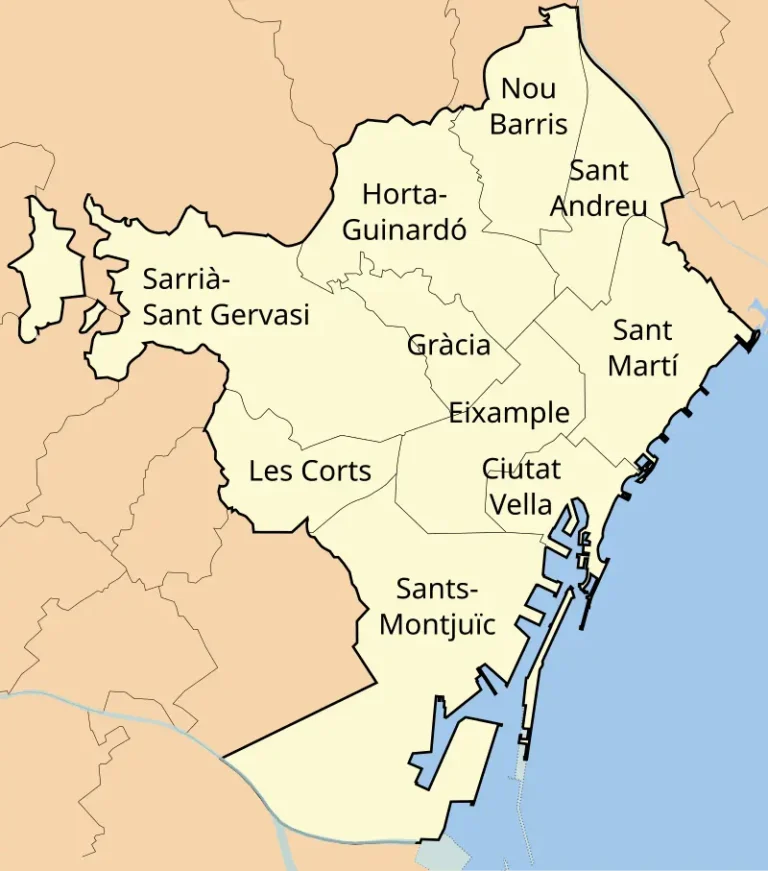
Barcelona_districtes.svg

The complete journey

The Barcelona Home Buying Roadmap

Every phase prepares you for the next. The process becomes easier to manage when you know what each phase is intended to achieve—and what should be ready before you move forward.

Buying property is not a collection of isolated tasks. It is a connected journey in which each outcome enables the next decision.

From preparation to ownership

Six connected phases. One coordinated purchase.

The first row helps you understand and choose the opportunity. The second protects the commitment and brings it through completion.

01
Prepare

Know what you can buy.

Establish your real purchasing power before the search becomes emotional.

  • Budget
  • Buying costs
  • NIE
  • Mortgage preparation
You are ready when

You can begin viewing without guessing what you can afford.

02
Search

Find the right fit.

Search for the property and neighbourhood that support the way you actually want to live.

  • Lifestyle
  • Neighbourhoods
  • Shortlist
  • Viewings
You are ready when

The shortlist reflects what you have learned—not only what you first requested.

03
Decide

Make the case for one property.

Compare the realistic alternatives and understand the compromises before choosing.

  • Comparison
  • Trade-offs
  • Value
  • Negotiation limits
You are ready when

You can explain why this property is stronger than the realistic alternatives.

04
Protect

Understand the commitment.

Reduce legal, financial and contractual risk before the commitment becomes difficult to reverse.

  • Offer terms
  • Legal review
  • Due diligence
  • Arras
You are ready when

The known risks, conditions and consequences are understood before signing.

05
Complete

Bring everything together.

Coordinate the legal, financial and practical requirements needed to complete successfully.

  • Mortgage approval
  • Funds
  • Notary
  • Keys
You are ready when

The documents, money and people required to complete are all confirmed.

06
Enjoy

Turn ownership into home.

Move from legal ownership to an ordinary, functioning life in your new property.

  • Utilities
  • Insurance
  • Community
  • Settling in
You are ready when

The property stops feeling like a transaction and starts feeling like home.

The Barcelona Home Hunter Method™

The difference is not knowing the stages.

Every buyer follows broadly the same roadmap. The difference is understanding how each phase prepares you for the next.

A missing document can delay financing. Delayed financing can weaken an offer or postpone completion. A rushed legal review can expose problems long after the keys have changed hands.

Buying property is not simply a checklist. It is a connected process. When decisions are made in the right order, with the right information, the journey becomes calmer, more predictable and considerably less stressful.

Good buying decisions happen long before you collect the keys.

Start with a clear plan

Ready to begin planning your Barcelona purchase?

You do not need to have every answer before the first conversation. Whether you are moving next month or still exploring an idea, we can begin by clarifying your priorities, realistic budget and the decisions that should come first.

You cannot copy content of this page

Scroll to Top