Red-Flag

Barcelona Buyer Guide · Risk Reduction & Due Diligence

Common Pitfalls When Buying Property in Barcelona

Avoid the mistakes that cost international buyers time, money, and peace of mind.

Buying in Barcelona can be a smart move, but small errors around financing, paperwork, building checks, contracts, taxes, and micro-location can become expensive quickly. This guide explains where deals often go wrong — and how to move through the process with stronger preparation and fewer surprises.

NIE & banking readiness Contracts & legal checks Building & noise reality True buyer costs

Especially useful for expats, relocation buyers, second-home purchasers, and first-time Barcelona buyers who want a safer, clearer path to closing.

Most Common Mistakes When Buying Property in Barcelona

These are the issues that most often cost buyers money — and how to avoid them.

  • Not verifying the legal status of the property
  • Underestimating total purchase costs
  • Relying on the seller’s agent for advice
  • Ignoring rental and licensing restrictions
  • Not preparing NIE and banking setup early

Most Barcelona buying mistakes are preventable. The expensive ones usually happen when buyers move too quickly on financing, paperwork, building checks, or street selection — and only uncover the real issue after money or momentum is already committed.

Financing & Budgeting Traps

  • No pre-approval: slows everything and weakens your offer. Start here: Mortgages for expats in Spain.
  • FX risk: currency swings can erase your margin — plan transfers before arras.
  • CapEx blind spots: lifts, façades, and ITE works can hit hard — keep reserves.
  • Valuation gap: banks lend on valuation, not asking price.

NIE, Bank Setup & Paperwork

  • NIE delays: required for everything. Step-by-step guide.
  • Late banking: transfers and setup take time — start early.
  • POA issues: allow time for legalization if signing abroad.
Important: All names and details must match exactly across documents — small errors can delay completion.

Buyer-side guidance

Avoid the mistakes before they become expensive.

If you are planning to buy in Barcelona, I can help you filter risky listings, understand true costs, and move through the process with cleaner due diligence.

5 Things I Love About Barcelona, and 5 Things I Don’t 2024

Legal risk

Contracts, Tenants & Legal Checks

  • Seller’s lawyer is not your lawyer: always use independent legal counsel to review title, debts, and tighten the arras wording.
  • Weak arras clauses: vague deadlines, financing conditions, and penalties create avoidable risk. Spell out dates, conditions, and document responsibilities clearly.
  • Tenancies and occupancy: confirm vacant possession at completion, active leases, and whether anyone remains in occupation.
  • Title and debts: order the nota simple to check charges, embargoes, liens, co-ownership, and registry consistency.
  • Habitability and energy: in Catalonia, review the Cédula de Habitabilidad and Energy Certificate (CEE).
  • Building fitness: review the ITE, Certificado de Aptitud, and community minutes for approved or upcoming works.
  • Works and licenses: confirm terraces, redistributions, enclosures, and structural works were licensed and community-approved.

Building reality

Building Condition & Square-Meter Reality

  • Elevator myths: not every Eixample or classic building has a lift. Always verify actual access before emotionally committing.
  • Orientation and light: patio interiors can feel far darker than listing photos suggest, while corner and chamfered units usually outperform.
  • Usable vs built meters: escritura, Catastro, and Registro often differ. Measured usable space matters more than headline figures.
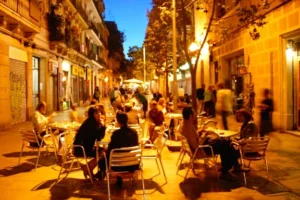
  • Noise and nightlife: Barcelona is a micro-area city. One block can feel dramatically different from the next in noise, sleep quality, and resale appeal.

Street-level context matters: for edgier value plays, see El Raval. For stronger family and tech-driven demand with newer stock, compare Sant Martí and Poblenou.

Buying a Home in Eixample, Barcelona

True cost

Buyer Costs, Taxes & Who Pays What

  • Used homes: ITP in Catalonia is typically around 10% of the purchase price, plus notary, registry, gestoría, and related purchase costs.
  • New builds: VAT is normally 10%, plus AJD or stamp duty, often around 1–1.5%, alongside normal closing costs.
  • Seller-side awareness: Plusvalía municipal is usually seller-paid, but if the seller is non-resident, the buyer must retain 3% and pay it to the Tax Agency.
  • Ongoing ownership: budget for IBI, community fees, insurance, utilities, repairs, and future building works.

Reality check: buyers should usually budget around 12–13% on top of the purchase price for taxes and purchase costs, plus our 3% buyer fee if it is not covered by the seller.

Rental reality

Rental Reality: Tourist, Mid-Term & Long-Term

  • Tourist licenses: heavily restricted citywide, so never assume short-stay rental use is possible.
  • Mid-term rentals: often attractive for relocation clients, MBA students, and project workers, but community rules and legal structure still matter.
  • Long-term rentals: usually the most stable underwriting route. Model realistic vacancy, tenant turnover, and maintenance costs.

Investment trap: projected rents from portals are often optimistic. Use conservative assumptions based on real comparable lets in the building, street, or immediate area.

Micro-location

Micro-Area Traps to Watch

  • Ground floors and party corners: easier access, but much higher foot traffic and night-time noise.
  • Beach belts and tourist corridors: Barceloneta and Las Ramblas fringes can feel very different in summer versus winter.
  • Pending works: façade, roof, lift, and structural upgrades can quickly change your real acquisition cost.
  • Dark airshafts: interior-only flats may feel more enclosed than the price discount suggests.

Street-level truth: in Barcelona, the difference between a great buy and a frustrating one is often just one block. Micro-location beats district labels every time.

barcelona-mortgage-preapproval-process.jpg

Process timing

Timeline & Completion Logistics

  • Typical flow: offer → arras → valuation → legal checks → notary.
  • Funds timing: confirm transfers 48–72 hours ahead to avoid delays.
  • Language at notary: arrange interpreter or use POA if needed.
  • Keys & meters: confirm handover, access, alarms, and final readings in the deed.

After completion

After-Sale Setup

  • Switch utilities and set up direct debits for IBI and community fees.
  • Notify the administrador de fincas and introduce yourself.
  • Safety checks: confirm gas, electrics, and locks immediately after handover.

Final Thoughts

The smoothest Barcelona purchases happen when buyers remove risk before it appears: secure the NIE early, prepare banking, use clean contracts, verify the building, and stay realistic on total costs and rental assumptions.

Get those right, and notary day becomes exactly what it should be — signing, keys, and smiles.

FAQ — Buying in Barcelona

Do I need an NIE to buy?

Yes — it is required for the deed, taxes, banking, and utilities. NIE guide.

How much should I budget?

Typically 12–13% in taxes and purchase costs, plus our 3% buyer fee if not covered by the seller.

Can I get a tourist license?

Rare. Most investors focus on mid-term or long-term rentals.

What is an arras contract?

A private contract fixing price, deadlines, and penalties before completion — always review it independently.

Buyer Protection Support

Want help avoiding the expensive mistakes buyers make in Barcelona?

We help international buyers reduce risk before they commit — from NIE setup and mortgage readiness to micro-area due diligence, building checks, clean arras contracts, and realistic total-cost planning.

NIE & banking Building due diligence Street-level checks Buyer cost strategy

Ideal for expats, relocation buyers, investors, and second-home purchases where one mistake can easily cost far more than good advice.

Related Blogs:

You cannot copy content of this page

Scroll to Top