Buying a Home in Eixample
Barcelona Home Hunter · Luxury Eixample Guide
Buying a Home in Eixample, Barcelona
Eixample is the Barcelona most international buyers imagine first: grand boulevards, elegant Modernist façades, refined apartments with soaring ceilings, and a lifestyle built around architecture, walkability, and prestige.
But Eixample is not one neighborhood — it is a collection of very different lifestyles. Some buyers prioritise the prestige of Dreta de l’Eixample, others prefer the softer rhythm of Esquerra, while lifestyle buyers are often drawn toward Enric Granados.
Architectural prestige
Modernist buildings, elegant façades, original details, and timeless resale appeal.
Walkable luxury living
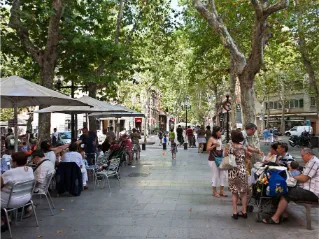
Daily life built around cafés, restaurants, boutiques, and easy city movement.
Reliable long-term demand
Strong appeal with local professionals, international buyers, and executive renters.
Useful Next Reads
Barcelona Home Hunter · Eixample Buyer Guide
Buying a Home in Eixample, Barcelona
Eixample is the Barcelona most buyers imagine first: elegant boulevards, graceful balconies, and iconic Modernist architecture woven into daily life. For buyers prioritising prestige, walkability, lifestyle convenience, and long-term value, it remains one of the city’s most enduring premium districts.
The real decision is not simply whether to buy in Eixample — it is understanding which micro-area best matches your rhythm, architecture preferences, lifestyle priorities, and long-term goals.
Explore the Guide
Eixample OverviewOverview & Vibe
The classic Barcelona lifestyle, refined for everyday living
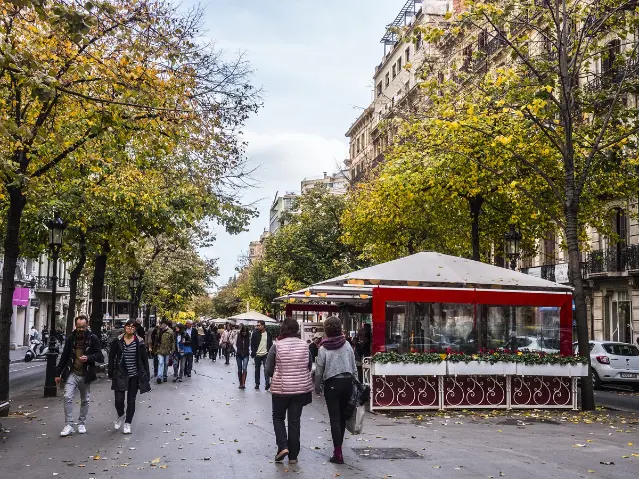
Living in Eixample gives you some of the best parts of Barcelona in one district. On one side, there is the prestige of Passeig de Gràcia and Rambla de Catalunya; on the other, the softer terrace rhythm around Enric Granados.
This is where architectural beauty, daily convenience, restaurants, boutiques, transport, and long-term buyer demand come together. For many international buyers, Eixample feels like the most complete version of central Barcelona.
Pros & Cons at a Glance
Eixample is premium, practical — and not perfect for everyone
For many buyers, Eixample’s appeal comes from its balance of beauty, convenience, and long-term value. The trade-off is that the most desirable pockets command premium prices, and some streets feel busier than buyers expect.
Pros
- Central location with exceptional transport links
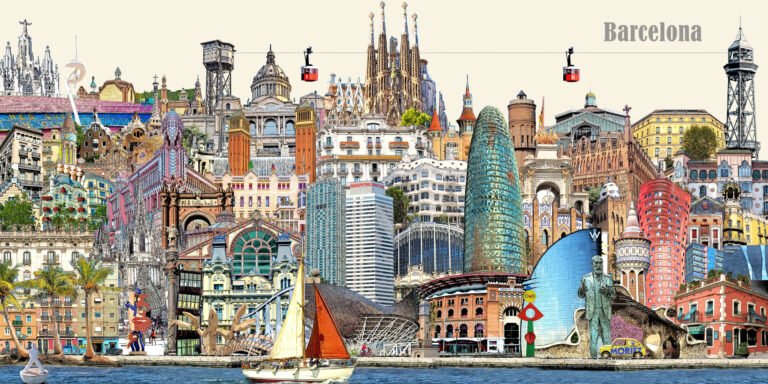
- World-class architecture and elegant streetscapes
- Outstanding services, restaurants, boutiques, and daily amenities
- Strong resale and rental demand from locals, expats, and professionals
Cons
- Higher prices than many Barcelona districts
- Tourist footfall near major landmarks and luxury corridors
- Less green space than originally envisioned
- Parking can be frustrating without a dedicated space
History & Urbanism
Why Eixample feels so different from old Barcelona
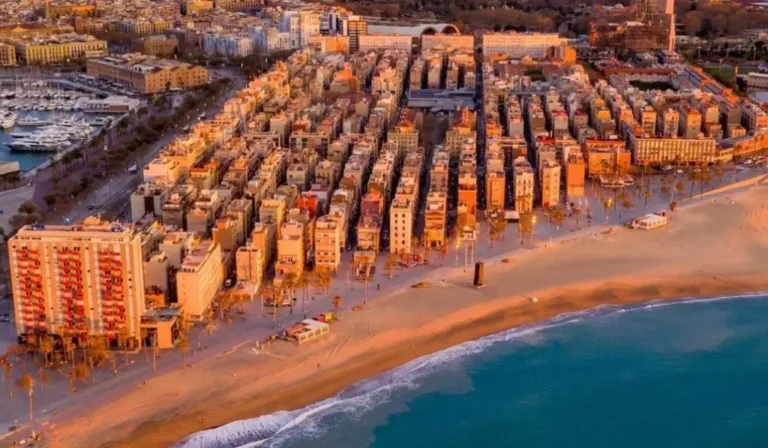
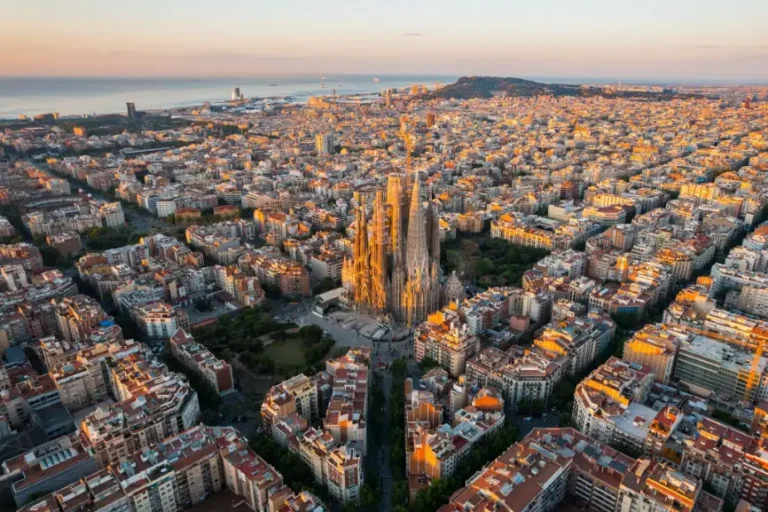
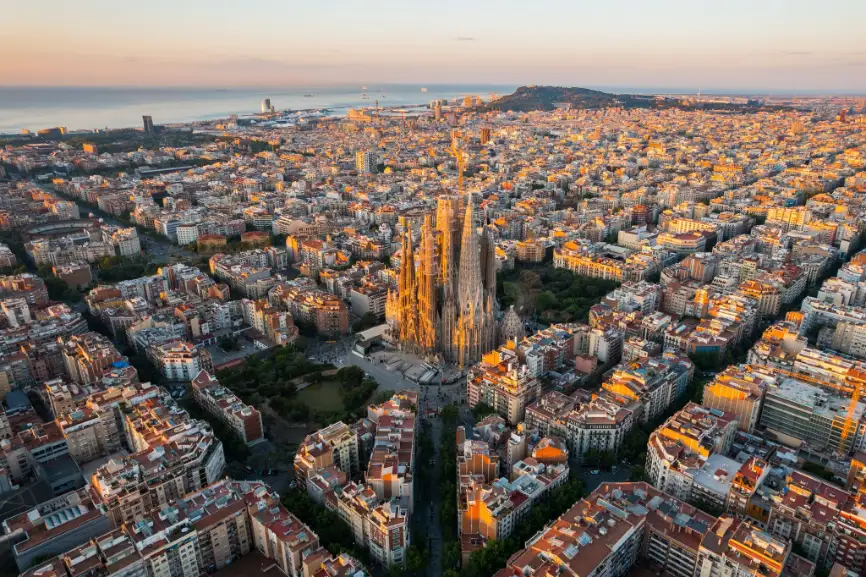
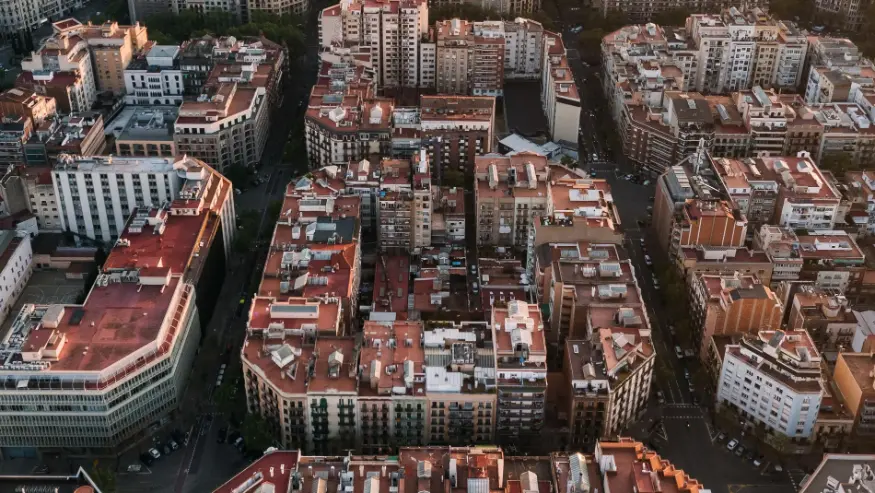
Eixample was designed as Barcelona’s great expansion beyond the medieval city. Its famous grid, wide streets, chamfered corners, and light-filled blocks were created to bring more order, air, and movement into urban life.
That planning legacy still shapes the buyer experience today. Compared with the Gothic Quarter or El Born, Eixample feels more open, more structured, and easier to navigate — while still offering some of Barcelona’s most admired architecture.
Real Estate Snapshot
What buyers should know about the Eixample property market
Eixample remains one of Barcelona’s most liquid and internationally understood property markets. The best homes usually combine location, building quality, original features, lift access, light, and outdoor space.
Best-performing features
- Lift access, especially in period buildings
- Balconies or terraces with usable outdoor space
- Original details such as hydraulic floors and mouldings
- Good orientation and natural light
Buyer watch-outs
- Interior-facing flats with limited light
- No lift in upper-floor period buildings
- Street noise on busier corridors
- Community works, façade repairs, or ITE issues
Frank’s take: In Eixample, do not just buy the address. Buy the building, the light, the floor height, the lift, and the street position. Those details usually separate a good long-term purchase from a merely attractive listing.
Buying a Home in Eixample, Barcelona
Buying a Home in Eixample, Barcelona
Buying a Home in Eixample, Barcelona
Movement & Market
Why Eixample works so well for daily life and long-term ownership
Eixample’s strength is its rare combination of central convenience and property depth. You can live without a car, move across Barcelona easily, and still choose between elegant period apartments, renovated homes, and premium buildings with strong long-term buyer demand.
Transport & walkability
Eixample sits at the center of Barcelona’s transport network, which makes daily life unusually easy whether you rely on the metro, bus, rail, bike, taxi, or walking.
Many buyers find they simply do not need a car here. Parking is limited and often expensive, so Eixample naturally suits a car-light or car-free lifestyle.
Real estate snapshot
Eixample remains one of Barcelona’s most stable premium markets. The strongest properties usually combine building quality, natural light, lift access, outdoor space, and preserved period details.
Preparing to buy? Start with mortgage pre-approval for foreigners, sort your NIE number, and review our Barcelona pitfalls guide before bidding.
Lifestyle Fit
Who Eixample works best for — and who may prefer something calmer
Eixample is one of Barcelona’s most complete neighborhoods, but it is not trying to be everything to everyone. Buyers who love it usually value walkability, architecture, energy, and convenience more than total quiet or suburban-style space.
Young professionals
Ideal for buyers who want cafés, coworking, restaurants, gyms, and daily life all within walking distance.
Families
Strong for families prioritising convenience, services, transport, and centrality — though some streets can feel busy compared with Sarrià or Pedralbes.
Retirees
Excellent for buyers who want a walk-everywhere lifestyle with easy healthcare access, dining, and culture close at hand.
Investors
Long-term demand remains strong for bright layouts, quality renovations, outdoor space, and preserved period apartments.
Frank’s Take
Eixample delivers the version of Barcelona most buyers hope exists
I never really get bored of Eixample. You can have a coffee on Enric Granados, walk past a Gaudí façade, step into a beautifully restored Modernist building, and still end up on a surprisingly calm residential street five minutes later.
What makes the neighborhood work so well is the balance. It gives you architecture, movement, restaurants, convenience, transport, and strong long-term demand — without losing the feeling that people genuinely live here full time.
The trade-off: if you want large gardens, silence, or a suburban family atmosphere, you will probably feel happier in places like Sarrià or Pedralbes. But if your idea of Barcelona includes elegant streets, terrace cafés, architecture, and daily walkability, Eixample is incredibly difficult to beat.
Continue Exploring Barcelona
Buying a Home in Eixample, Barcelona

Thinking about buying in Eixample?
The right block matters just as much as the right apartment in Eixample. We help buyers compare Dreta vs Esquerra, quieter streets versus landmark zones, building quality, light, and long-term resale fundamentals—so you buy the right fit, not just the prettiest photos.
From shortlist strategy and private viewings to negotiation, legal checks, and notary day, we guide the entire process with clear English support for local and international buyers.