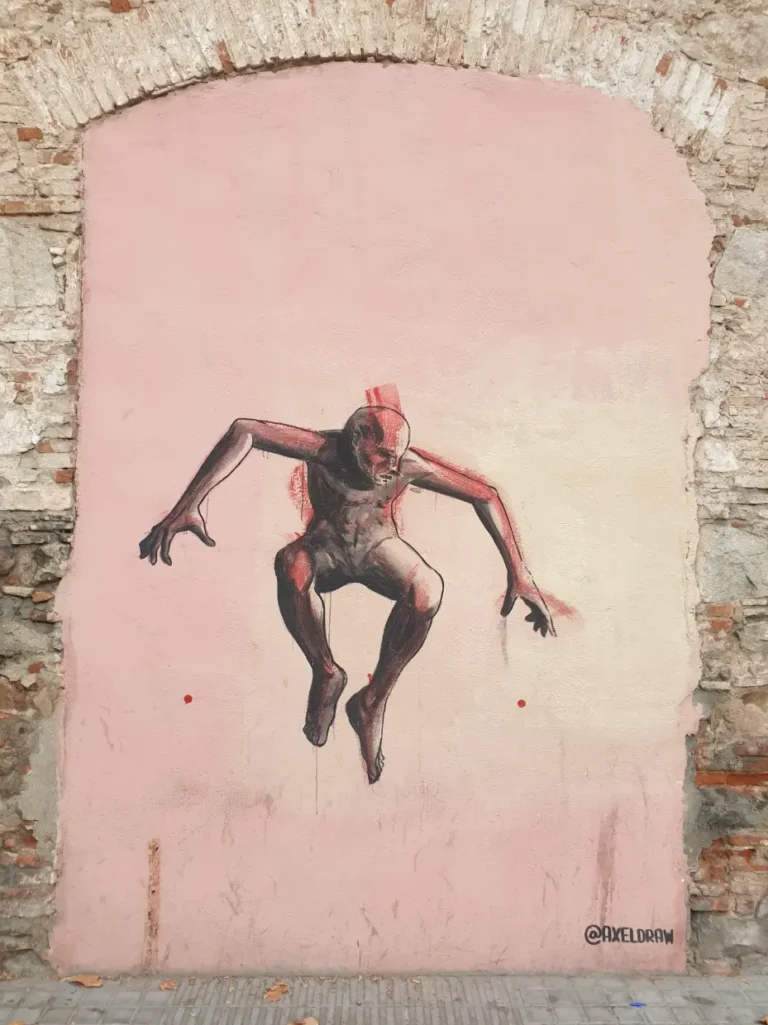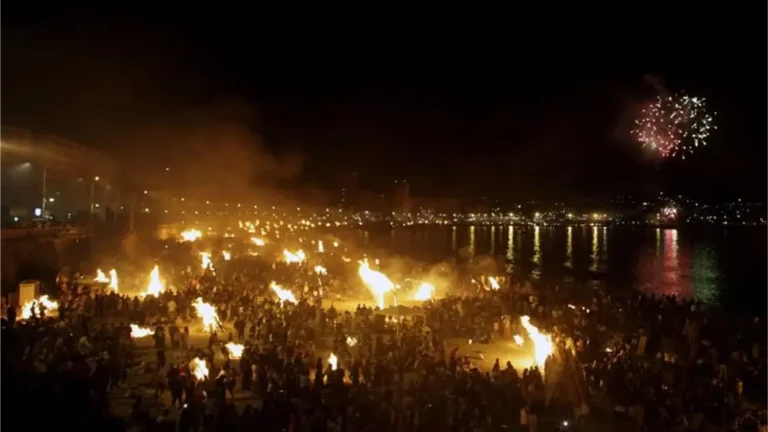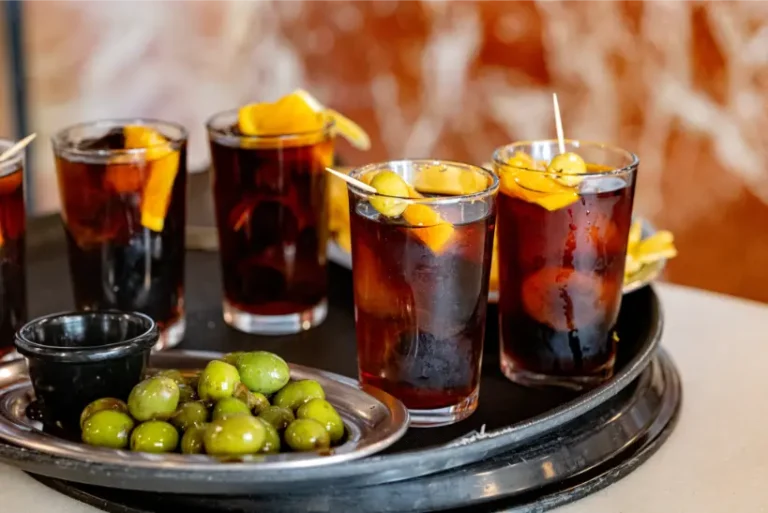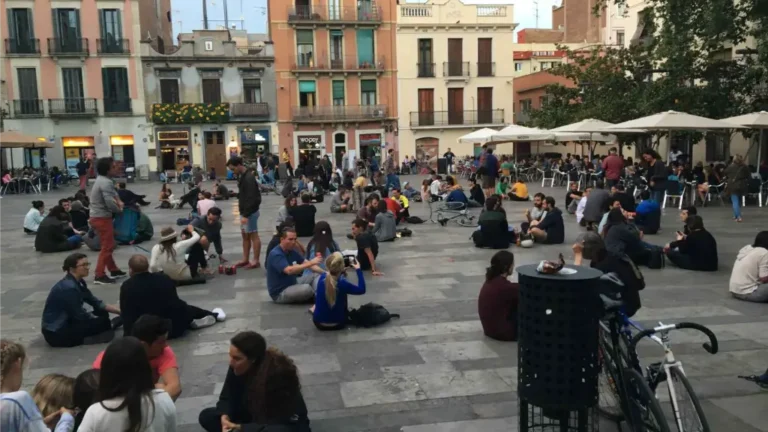

I collected some photos of Barcelona.
Barcelona Home Hunter · City Stories
Barcelona Then and Now in Photos
I started collecting old photos of Barcelona because I wanted to see how the city once looked before the grand avenues of Eixample, the modern waterfront, and the skyline we recognize today.
Surprisingly, truly old photographs of Barcelona can still be difficult to find in one place. But even this small collection offers a fascinating glimpse into how the city evolved from a medieval urban core into one of Europe’s most visually distinctive capitals.
This is just the beginning, but it already reveals something special: Barcelona has always been a city in transformation. From markets and stations to monuments and neighborhoods, every image tells part of the story.
Why this matters today: the photos make it easier to understand how Barcelona’s districts changed over time — and why neighborhoods still feel so different from one another today.
Enjoy the journey through Barcelona then and now in photos.
Explore Barcelona with context
Thinking about living in Barcelona, not just visiting it?
If these photos make you curious about how the city feels today, start with our neighborhood guides. They help buyers compare Barcelona by lifestyle, walkability, family fit, retirement comfort, and long-term value.
Barcelona Then and Now
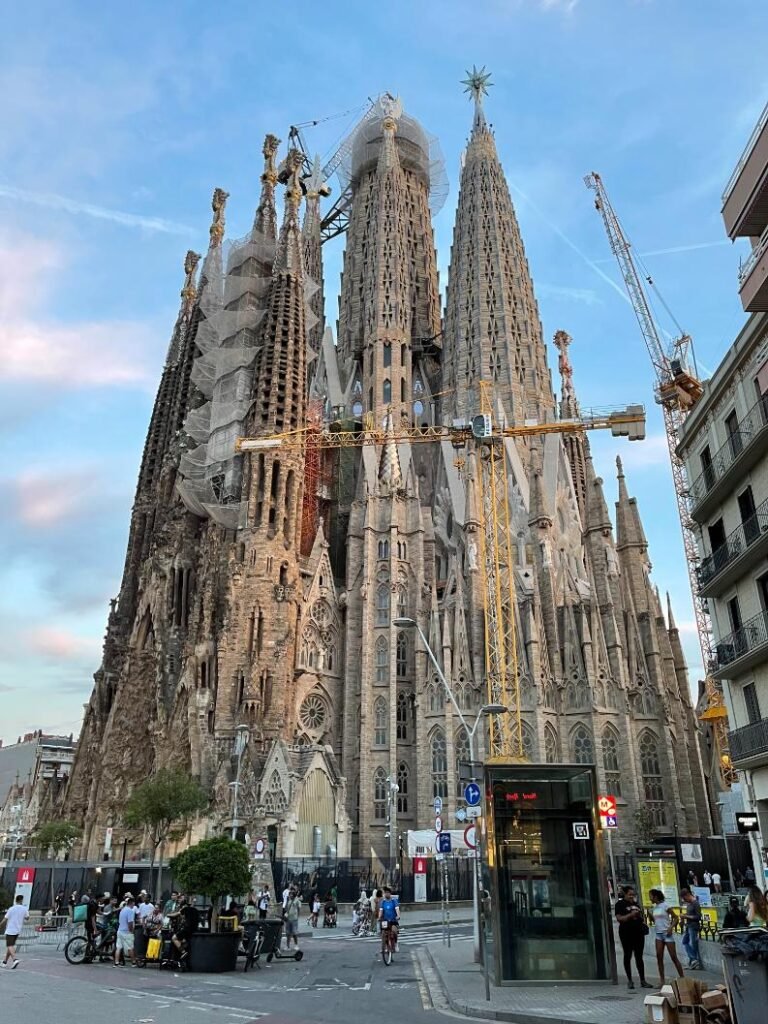
Sagrada Família — Then and Now
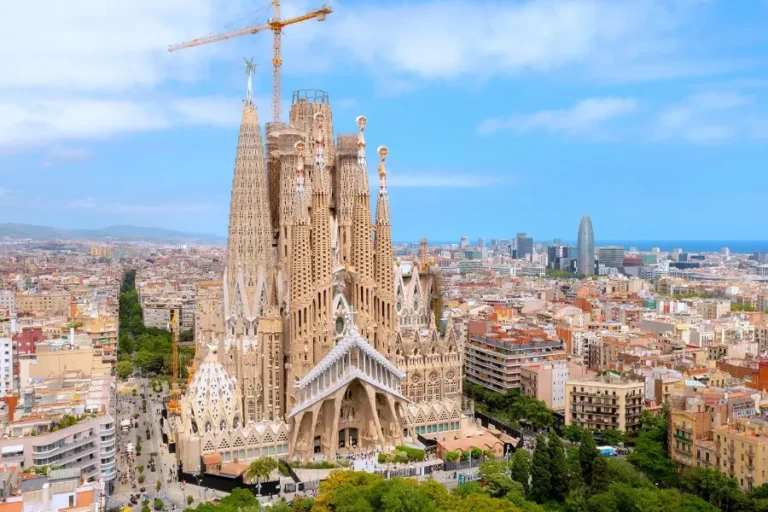
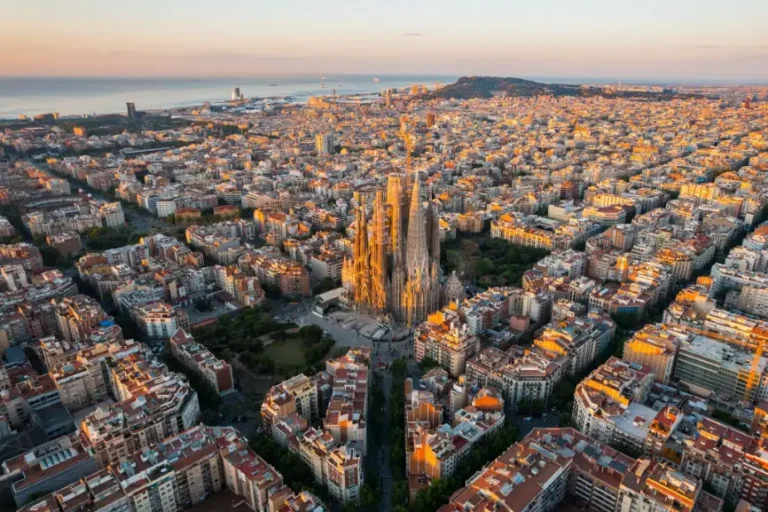
Few landmarks capture Barcelona’s transformation through time as powerfully as the Sagrada Família. Construction began in 1882, and from its earliest photographs the basilica already symbolized Barcelona’s ambition, creativity, and willingness to think in centuries rather than decades.
When Antoni Gaudí took over the project, the church evolved from a traditional neo-Gothic concept into one of the most extraordinary architectural works in the world. Historic photos show the basilica rising slowly above a far less developed cityscape, surrounded by open plots and a Barcelona that still felt much smaller than the metropolis we know today.
What makes this comparison so rare: the Sagrada Família is still unfinished. Few cities have a landmark that has grown alongside them for more than a century.
Comparing the Sagrada Família then and now in photos is especially striking because the monument is still in progress. It reflects changes in engineering, tourism, urban identity, and the neighborhoods around it.
Today, the basilica anchors one of the most recognizable parts of Eixample, where wide boulevards, elegant apartment buildings, and excellent walkability make the surrounding area highly desirable for both residents and international buyers.
In many ways, the Sagrada Família is the perfect symbol for Barcelona itself: deeply rooted in history, visually unforgettable, and still evolving.
Barcelona Then and Now
Sants Station (Estació de Sants) — Then and Now
Few places show Barcelona’s transformation more clearly than Estació de Sants. What was once a more industrial and rail-focused zone has evolved into the city’s main transport hub, connecting Barcelona to the rest of Spain and Europe.
In older photographs, the area around Sants feels far more functional and less integrated into the wider city fabric. Over time, however, the station became central to Barcelona’s identity as a modern, internationally connected city, especially with the arrival of the AVE high-speed rail network.
Why this matters today: transport hubs reshape how people choose where to live, especially buyers prioritizing commuting, airport access, and long-term connectivity.
Today, Sants is one of the most strategically important parts of Barcelona for residents who value airport access, fast rail connections, and practical day-to-day mobility. For buyers relocating from abroad, this area often appeals because it makes regular travel between Barcelona, Madrid, Paris, and beyond significantly easier.
The neighborhoods surrounding the station, including parts of Les Corts and nearby Eixample, now offer a very different lifestyle from the historical rail district seen in older photos: more residential comfort, stronger services, and excellent connectivity.
Comparing Sants then and now in photos highlights how infrastructure has shaped not only the city’s skyline, but also the neighborhoods people choose today for convenience, commuting, and long-term livability. This evolution continues with the future La Sagrera station district, one of the most ambitious transport and urban regeneration stories in modern Barcelona.
Barcelona Then and Now
Columbus Monument (Monument a Colom) — 1890s to Today
Rising 60 metres (197 ft) above the lower end of La Rambla, the Monument a Colom has been one of Barcelona’s most recognizable landmarks since the late 19th century. Built for the 1888 Exposición Universal de Barcelona, it commemorates Christopher Columbus’ first voyage to the Americas and symbolized Barcelona’s growing international ambitions at the time.
In historical photographs from the 1890s, the monument stands at the threshold between the old city and the waterfront, marking the point where medieval Barcelona began opening itself to the sea. This period was transformative, as the World’s Fair accelerated urban modernization, public works, and Barcelona’s emergence as a major European destination.
Why it still matters: this point links the old city, Port Vell, the marina, and Barcelona’s most lifestyle-driven waterfront districts.
Today, the monument remains a dramatic gateway between La Rambla, Port Vell, and the wider waterfront. Comparing it then and now in photos reveals how the surrounding area evolved from a more industrial maritime edge into one of Barcelona’s most visited and visually striking urban spaces.
For modern buyers and lifestyle-led relocations, this part of the city naturally connects to nearby areas such as the Barceloneta waterfront, the historic Gothic Quarter, and the regenerated marina zones around Port Vell.
Few landmarks capture Barcelona’s story of reinvention better: from maritime gateway and world-expo symbol to one of the city’s most iconic meeting points between history, tourism, and waterfront living.
Barcelona Then and Now
Montjuïc National Palace — Then and Now
The Palau Nacional, or National Palace, stands prominently on the hill of Montjuïc and remains one of Barcelona’s most recognizable civic landmarks. It was built as the main centerpiece of the 1929 International Exhibition, a major event that helped present Barcelona as a modern, ambitious European city.
Designed by Eugenio Cendoya and Enric Catà under the supervision of Pere Domènech i Roura, the building was conceived on a grand scale, with monumental architecture, sweeping stairways, and commanding views over the city below. In historical photographs, the palace captures a moment when Barcelona was using large-scale urban design and public exhibitions to project confidence, culture, and international prestige.
Why it feels different today: Montjuïc combines art, gardens, viewpoints, and civic architecture in a way that gives this side of Barcelona far more breathing room than the dense historic core.
Since 1934, the Palau Nacional has been home to the National Art Museum of Catalonia (MNAC), giving the building a second life as one of the city’s most important cultural institutions. Comparing it then and now in photos shows not only how the palace itself has endured, but also how Montjuïc has evolved from exhibition ground into one of Barcelona’s most layered cultural and recreational landscapes.
Today, Montjuïc offers a very different experience from the dense historic core. It brings together green space, museums, viewpoints, gardens, Olympic legacy sites, and a quieter rhythm that feels distinct from central Barcelona. This helps explain why nearby areas such as Poble-sec and parts of the wider southwest city appeal to buyers who want city access with a little more breathing room.
Few landmarks express Barcelona’s 20th-century transformation so clearly. The National Palace still reflects the city’s taste for grandeur, but today it also anchors one of the most enjoyable parts of Barcelona for art, walking, and panoramic views.
Barcelona Then and Now
La Universidad de Barcelona — Then and Now
The origins of the Universitat de Barcelona stretch back to the 15th century, when King Alfonso the Magnanimous established the Estudi General de Barcelona. At the time, it became one of the most important centres of learning in the Crown of Aragon, attracting scholars and helping shape Barcelona’s reputation as a major intellectual city.
For centuries, the institution played a central role in the city’s academic and civic life. However, this changed dramatically after 1714. Following the defeat of Catalonia in the War of the Spanish Succession, many of Barcelona’s historic institutions were suppressed, including the university. This was part of the broader political restructuring that followed the fall of the city.
Why this comparison matters: few places show Barcelona’s shift from a compact historical city to a grand civic capital more clearly than the university and the urban fabric around it.
Looking at the university then and now in photos gives a fascinating glimpse into how Barcelona has evolved. The surrounding urban landscape has transformed from a more compact historical city into the elegant, grand avenues we now associate with central Barcelona.
Today, the university’s presence connects naturally with the city’s Eixample district, where wide boulevards, civic architecture, and cultural institutions reflect the 19th-century expansion that reshaped Barcelona into the city we know today.
Barcelona Then and Now in Photos
Barcelona Then and Now
Mercat del Born — Then and Now
Opened in 1876, the Old Born Market (Mercat del Born) was the first major cast-iron structure built in Barcelona. At the time, it represented the city’s industrial confidence and its growing role as a modern European trading center.
For 95 years, the market played an essential role in Barcelona’s daily commercial life. In its early years, it served as the local market for the historic La Ribera neighborhood, helping define the rhythm of one of the city’s oldest urban quarters. From 1921 onward, it evolved into Barcelona’s main wholesale market for fruit and vegetables, reflecting the city’s rapid growth and changing infrastructure needs.
What makes Mercat del Born so special: very few places in Barcelona reveal so many layers of the city’s history in one single building.
The building’s story took an extraordinary turn when later restoration work revealed that the market had been built over the remains of much older urban layers. Beneath the cast-iron structure lay extensive Roman and medieval archaeological remains, preserving streets and foundations that tell the story of earlier Barcelona.
Today, Mercat del Born is no longer a functioning market, but an active archaeological and cultural site. Comparing it then and now in photos offers one of the clearest examples of Barcelona’s unique urban layering: Roman origins, medieval commercial life, 19th-century industrial ambition, and modern cultural preservation all in one place.
For modern lifestyle buyers, this same layering helps explain why the surrounding El Born district remains so appealing today: historic streets, culture, walkability, design-led living, and easy access to both the Gothic core and the waterfront.
Barcelona Then and Now
Barcelona Then and Now: A Photographic Journey Through Time
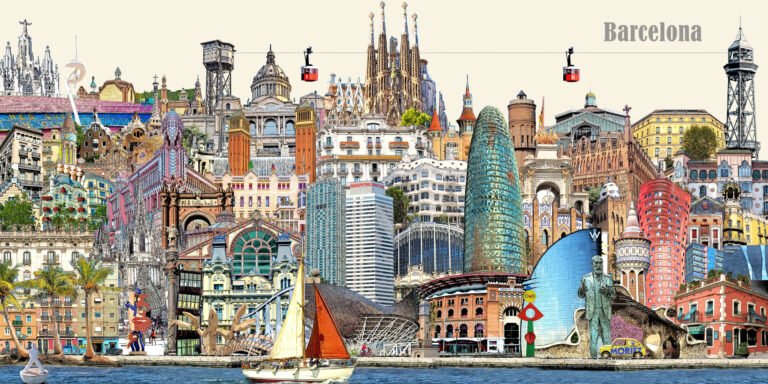
Barcelona, a city celebrated for its rich history, iconic architecture, and vibrant street life, has undergone one of Europe’s most fascinating urban transformations since the 1800s. From a tightly enclosed medieval city to a globally admired metropolis, Barcelona’s evolution is a story of reinvention, resilience, and visionary urban planning.
The city has been inhabited continuously for more than 2,000 years, but this journey begins in the late 19th century, when Barcelona was on the edge of dramatic change.
What makes Barcelona unique: few cities layer Roman foundations, medieval streets, modernist ambition, Olympic renewal, and future innovation districts so seamlessly.
The 1800s: A Walled City with a Medieval Heart
In the early 19th century, Barcelona was still confined within its medieval walls. Ciutat Vella was dense, crowded, and intensely alive, with winding streets, Gothic façades, markets, and civic spaces such as La Rambla and Plaça Reial.
The Late 1800s to Early 1900s: Expansion and Modernism
One of the most decisive moments in Barcelona’s history came in 1854, when the walls were demolished. This opened the way for Eixample, designed by Ildefons Cerdà, and later transformed by Catalan Modernism.
This era gave Barcelona many of its most recognizable landmarks, from Casa Batlló and Casa Milà to the still-evolving Sagrada Família.
Mid-20th Century: Modernization and Growth
The 1929 International Exhibition left a major civic legacy around Montjuïc, while post-war expansion accelerated apartment construction, infrastructure, and the city’s transition into modern urban living.
Late 20th Century to Today: A Global Metropolis
Barcelona’s global identity changed decisively with the 1992 Olympics, especially through waterfront redevelopment and the transformation of areas that later fed into Poblenou and the 22@ innovation district.
Today, the Gothic Quarter, Eixample, Poblenou, El Born, and emerging infrastructure zones all coexist within the same urban narrative.
Conclusion
Barcelona’s transformation is more than visual—it explains why choosing the right neighborhood today is so fascinating. Every district reflects a different chapter of the city’s evolution, which is exactly why buyers should compare areas through the lens of history, lifestyle, walkability, and future growth.
Explore Barcelona More Deeply
Which chapter of Barcelona feels most like home?
From the medieval Gothic core to the elegant avenues of Eixample, the waterfront energy of Barceloneta, and the future-facing districts around Poblenou and La Sagrera, each neighborhood reflects a different era of the city’s story.
If you are deciding where to live, buy, relocate, retire, or invest, the smartest next step is comparing how each area actually feels day to day.