Investing in Camp de l’Arpa
Sant Martí • Hidden value • Long-term upside
Camp de l’Arpa: One of Barcelona’s Smartest Under-the-Radar Neighborhoods
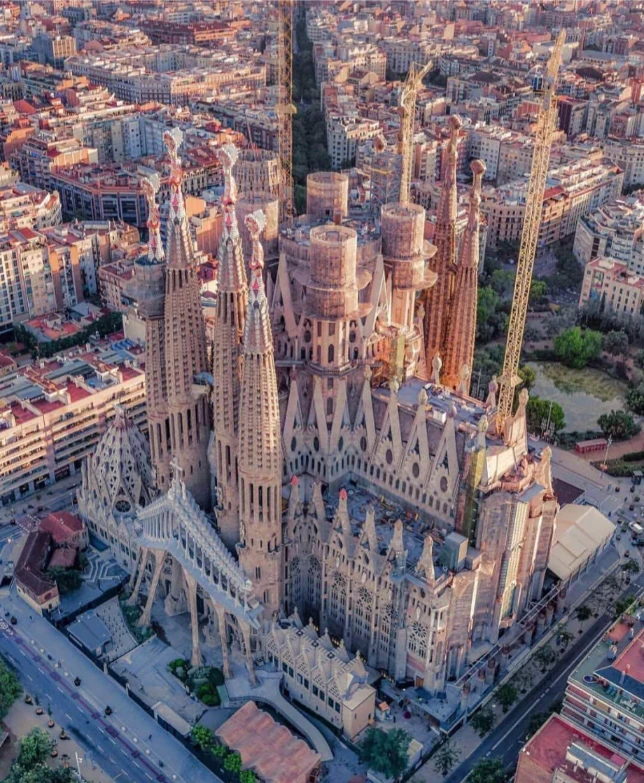
Camp de l’Arpa quietly solves many of the problems buyers face elsewhere in Barcelona: overpriced apartments, tourism pressure, noise, and shrinking space. Tucked between Clot, Sagrada Família, and the wider Sant Martí regeneration corridor, it offers a more grounded version of city living with stronger long-term value logic.
For many buyers, the appeal starts with larger apartments at more realistic prices than nearby headline neighborhoods — while still keeping excellent transport, walkability, and genuine local community life.
Why I chose Camp de l’Arpa
When I moved here, I was able to find a large apartment for a surprisingly reasonable price — something that is becoming increasingly difficult in Barcelona.
The neighborhood feels peaceful, practical, and extremely well connected. I can reach almost anywhere in the city in under 30 minutes, while still avoiding much of the tourist pressure and noise found in more central districts.
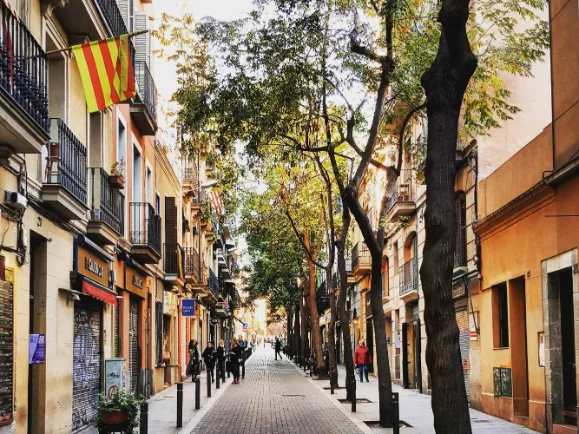
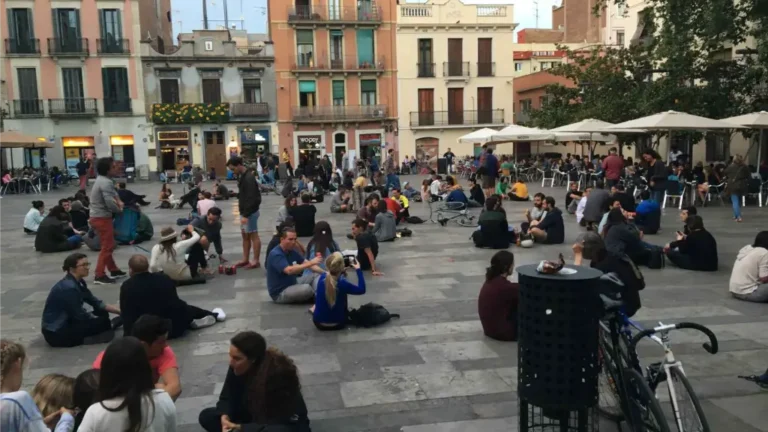
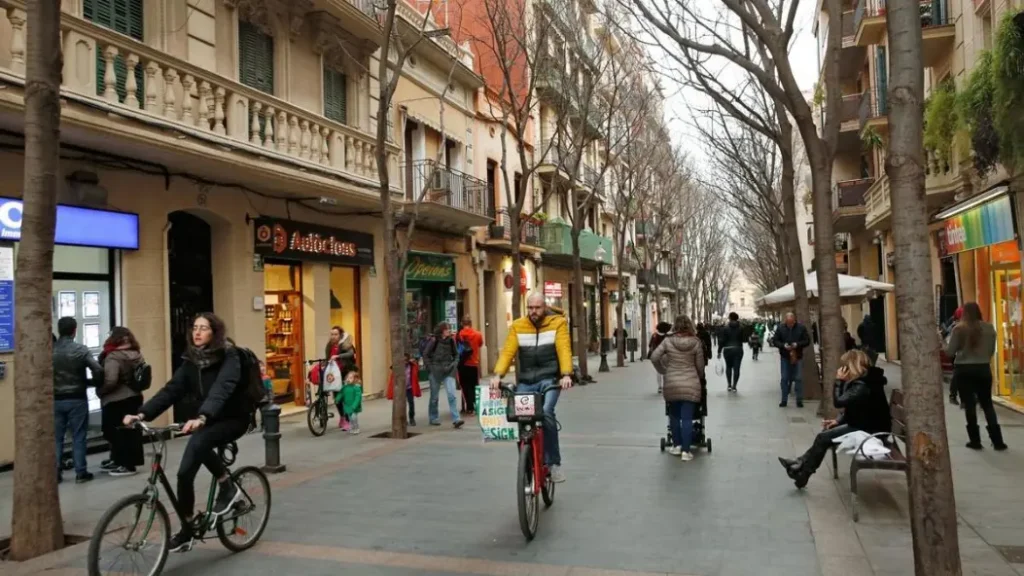
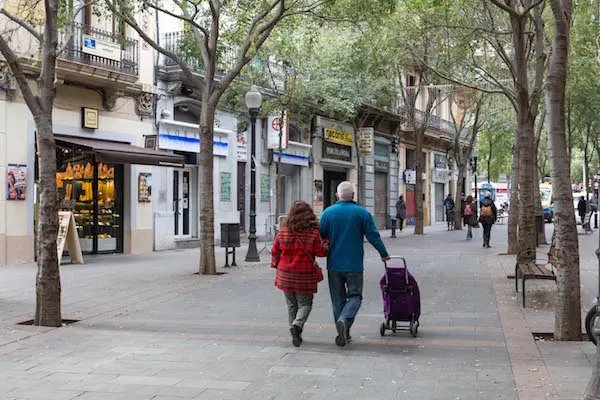
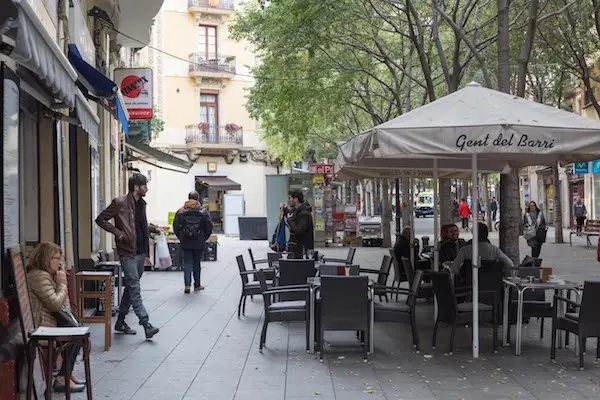
Camp de l’Arpa has less nightlife than places like Poblenou or Gràcia, but the trade-off is a stronger sense of community, calmer streets, wider sidewalks, and a version of Barcelona that still feels genuinely local.
Local identity • Everyday Barcelona • Residential character
Why Camp de l’Arpa Still Feels Like the “Real” Barcelona
Camp de l’Arpa started as farmland and small rural housing before Barcelona’s expansion gradually absorbed it into the city. Unlike neighborhoods that later became heavily redesigned or tourist-oriented, Camp de l’Arpa largely evolved as a working residential district built around everyday local life.
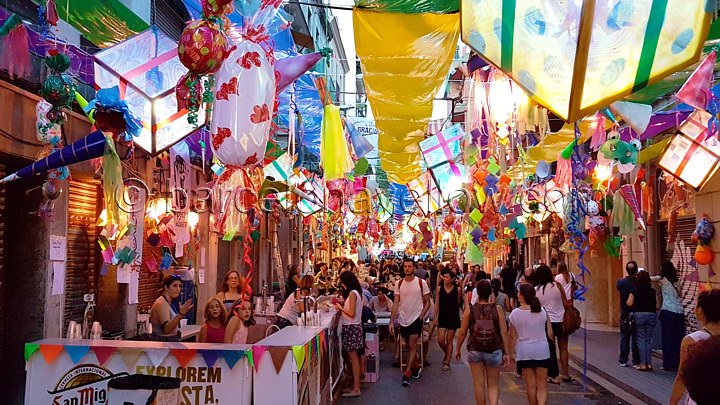
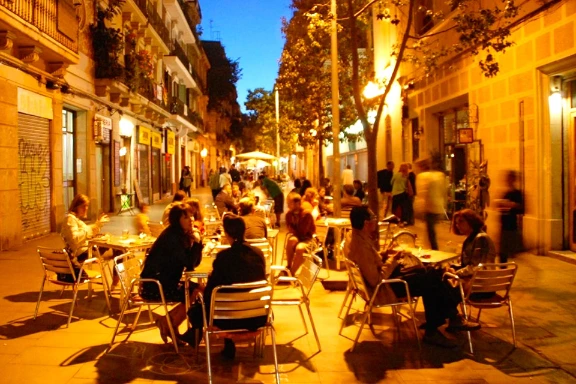
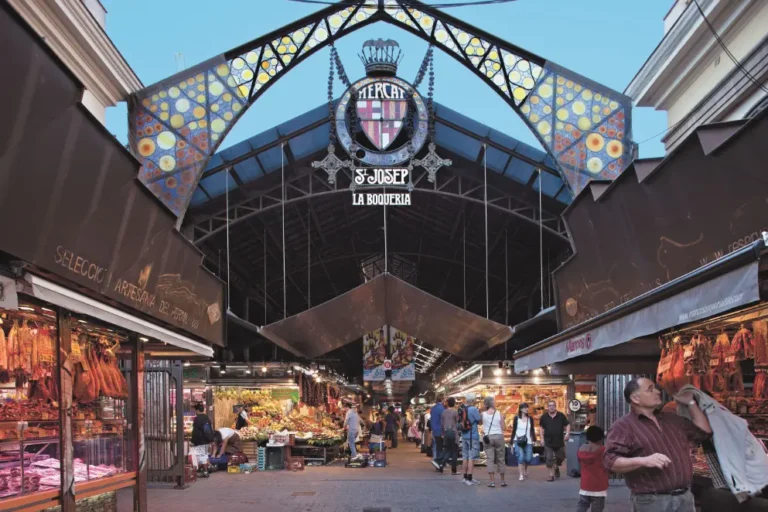
That history still shapes the atmosphere today. You notice it in the smaller bakeries, family-run bars, practical apartment blocks, local markets, pharmacies, and quieter side streets. The neighborhood feels lived-in rather than curated — which is becoming surprisingly rare in central Barcelona.
The area feels calmer, more practical, and less performative than many trendier districts nearby.
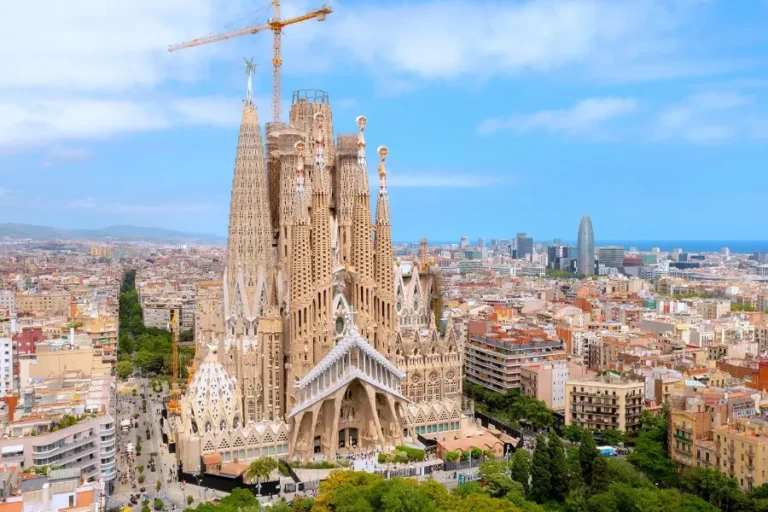
You stay close to Sagrada Família, Glòries, and central Barcelona without living inside constant tourism pressure.
What makes Camp de l’Arpa especially interesting today is the balance between traditional neighborhood life and gradual modernization. Renovated apartments, newer cafés, and selective residential upgrades are improving the area while the neighborhood still keeps its local identity intact.
My take: Camp de l’Arpa works best for buyers who care more about real day-to-day livability than postcard Barcelona. It is not trying to impress tourists — and that is exactly why many long-term buyers end up loving it.
Investing in Camp de l'Arpa
Investing in Camp de l'Arpa

Future Trends: Proximity to La Sagrera High-Speed Train Station
Buyer Profiles
Who Camp de l’Arpa Works Best For
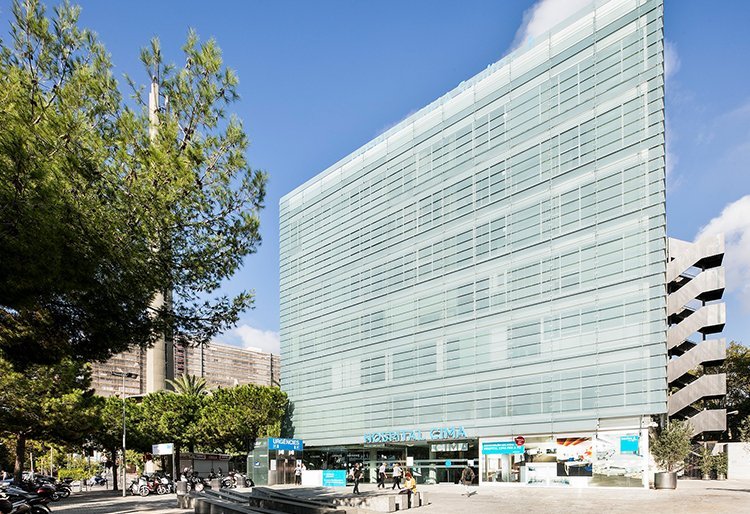
Strong fit for buyers wanting calmer streets, schools, hospitals, wider sidewalks, and more practical apartment layouts.
Excellent if you want strong transport and lower entry prices than Poblenou, Eixample, or Gràcia.
Camp de l’Arpa makes most sense for buyers prioritising livability, practicality, and steady long-term value over hype.
The trade-off: you are not buying postcard Barcelona here. Some streets still feel plain, some older buildings need updating, and nightlife is far quieter than Gràcia or Poblenou. But for many buyers, that calmer residential rhythm becomes the reason they stay.
Connectivity
Transport Is One of the Area’s Biggest Strengths
Nearby L5 stations connect Camp de l’Arpa quickly to central Barcelona, Sants, and major business districts.
Daily errands are genuinely easy here: supermarkets, pharmacies, cafés, bakeries, and hospitals are all nearby.
Mostly flat streets and improving bike infrastructure make Clot, Glòries, and Sant Martí easy to reach.
The wider La Sagrera transformation continues strengthening the neighborhood’s long-term strategic position.
Buyer Value
One of Barcelona’s Better Under-the-Radar Value Plays?
For buyers priced out of more obvious central neighborhoods, Camp de l’Arpa still offers something increasingly difficult to find in Barcelona: reasonable pricing, practical livability, and credible medium-term upside.
The area is not driven by hype or speculative luxury development. The investment logic is steadier and more grounded: good transport, improving surrounding districts, larger practical homes, and consistent long-term residential demand.
My view: Camp de l’Arpa is strongest for buyers who want a home that works well now while quietly benefiting from the wider improvement of Sant Martí, Clot, and La Sagrera over time.
Final Thoughts
Camp de l’Arpa quietly solves many of the problems buyers run into elsewhere in Barcelona. You get better value, less tourist pressure, stronger day-to-day practicality, and a neighborhood that still feels genuinely local. It may never become the city’s trendiest district — but that is exactly why many smart long-term buyers increasingly see the appeal.
Camp de l’Arpa Buyer Strategy
Thinking About Buying in Camp de l’Arpa?
I can help you compare streets, building quality, renovation risk, pricing logic, and long-term upside so you buy the right property — not simply the cheapest listing.
Camp de l’Arpa is one of those neighborhoods where the exact block matters more than outsiders realise. If you want practical local insight before committing, I’d be happy to help.
Investing in Camp de l'Arpa
Long-term growth • Infrastructure • Buyer positioning
Why Camp de l’Arpa Could Age Extremely Well
The biggest long-term story nearby is the La Sagrera high-speed rail transformation. Once completed, it should become the largest transport hub in Catalonia — dramatically improving connections across Barcelona, Spain, and wider Europe.
Camp de l’Arpa sits in an unusually interesting position: close enough to benefit from the transformation, but still priced more reasonably than many surrounding headline neighborhoods.
Faster regional and national access improves long-term desirability.
Wider regeneration should continue improving streets, green areas, and walkability.
More professionals and long-term buyers are already starting to look beyond the obvious districts.
Prices still generally sit below Eixample, Gràcia, and much of Poblenou, while often offering larger and more practical homes. That value gap is a major part of the appeal.
My take: Camp de l’Arpa is not a speculative “buy before everyone discovers it” story. The smarter argument is simpler: it already works very well today, and the surrounding infrastructure improvements may quietly strengthen its position over time.
Investing in Camp de l'Arpa

Investing in Camp de l'Arpa
Investing in Camp de l'Arpa
Real Estate Market in Camp de l'Arpa
Long-term value • Residential demand • Smart entry point
One of Barcelona’s More Interesting Under-the-Radar Value Neighborhoods
From a buyer’s perspective, Camp de l’Arpa occupies an unusually attractive middle ground: still relatively accessible compared with headline districts, but increasingly well positioned as surrounding infrastructure and demand continue improving.
Prices still often sit below Eixample, Gràcia, and parts of Poblenou.
Buyers can still find larger, more functional apartments than in many trendier central neighborhoods.
Families, professionals, and long-term residents continue supporting consistent residential demand.
The bigger long-term story is the neighborhood’s position near the wider La Sagrera transformation corridor. As infrastructure, public spaces, transport links, and surrounding districts continue evolving, Camp de l’Arpa sits close enough to benefit while still feeling more grounded and residential than many nearby growth areas.
What makes the investment case compelling: Camp de l’Arpa already works extremely well as a place to live today. The upside story is not based on speculation alone — it is layered on top of strong everyday livability.
In simple terms, this is probably not the neighborhood for buyers chasing short-term hype. It is far better suited to people looking for steady long-term positioning, practical Barcelona living, and quieter value growth over time.
Investing in Camp de l'Arpa
Buyer Profiles • Lifestyle Fit • Long-term Appeal
Who Camp de l’Arpa Works Surprisingly Well For
Camp de l’Arpa is not a flashy neighborhood — and that is precisely why many buyers end up loving it. The area works best for people who care more about daily livability, practical convenience, and long-term value than chasing Barcelona’s trendiest postcode.
Larger practical homes, calmer streets, schools, hospitals, and better day-to-day convenience make the area a strong family fit.
Strong metro access and easier pricing than nearby districts make it attractive for buyers connected to 22@ and Poblenou.
The flatter streets, healthcare access, quieter atmosphere, and local rhythm create a very comfortable long-term lifestyle.
Buyers looking for steadier medium-term positioning often like the neighborhood’s proximity to the La Sagrera transformation corridor.
Where buyers sometimes hesitate: Camp de l’Arpa does not offer the polished architecture of Eixample, the nightlife of Poblenou, or the village charm of Gràcia. Some streets also still feel visually modest compared with Barcelona’s more premium districts.
But for buyers who prioritise space, practicality, strong transport, calmer living, and long-term value logic, the neighborhood increasingly feels like one of Barcelona’s smarter under-the-radar choices.
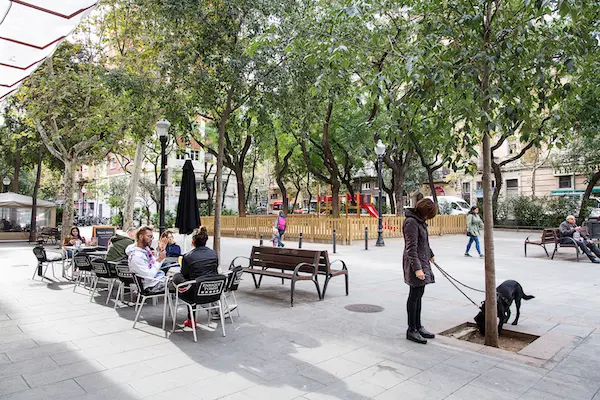
Local perspective • Real livability • Long-term value
Why I Think Camp de l’Arpa Is Still Underrated
After living here myself, I’ve become increasingly convinced that Camp de l’Arpa quietly offers one of the best quality-of-life/value combinations in Barcelona.
The neighborhood is not trying to impress tourists. It is not built around nightlife, luxury branding, or postcard aesthetics. Instead, it succeeds where daily life actually matters: space, convenience, transport, calmer streets, local community, and practical long-term living.
The biggest surprise for many buyers: once you actually spend time here, the neighborhood often feels far more comfortable and functional than areas that initially seem more prestigious on paper.
You are close to Sagrada Família, Glòries, Clot, and the wider La Sagrera transformation corridor, while still benefiting from pricing that remains noticeably more accessible than many surrounding districts.
For buyers thinking long term, that combination of livability today + positioning tomorrow is becoming increasingly difficult to find in Barcelona.
Camp de l’Arpa Buying Strategy
Thinking About Buying in Camp de l’Arpa?
I can help you understand which streets perform best, where future upside is strongest, which buildings to avoid, and how to approach negotiations and due diligence properly.
In neighborhoods like this, micro-location matters enormously. Two apartments just a few streets apart can feel completely different in terms of light, noise, resale potential, and long-term desirability.
Especially useful for buyers comparing Camp de l’Arpa vs El Clot vs La Sagrera, or searching for a quieter long-term Barcelona base with stronger value logic.
New Developments in Poblenou: Buying New-Build Property in 2026
Views: 252 Buying New in Poblenou New Developments in Poblenou:
Areas to Avoid in Barcelona: Where I Would—and Wouldn’t—Choose to Live
Views: 178 Choosing Where to Live Areas to Avoid in

Living and Buying Property in Sants, Barcelona
Views: 118 From the BHH Journal Notes on buying property

Can Foreigners Buy Property in Barcelona?
Views: 822 Foreign Buyers Guide Yes, foreigners can buy property
Best Neighborhoods to Live in Barcelona: 2026 Guide
Views: 1,755 Barcelona Home Hunter · Quick match Find your
Living in El Born, Barcelona: Safety & Property Guide
Views: 904 From The BHH Journal Notes on buying property