Uniquely Barcelona Things:
Vermouth Culture in Barcelona
Barcelona Lifestyle · Vermut, Tapas & Neighborhood Rhythm
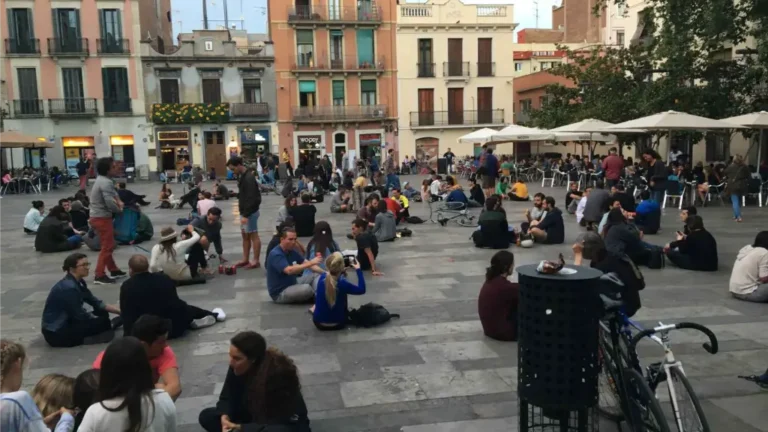
One of the joys of living in Spain is that it feels completely normal to start drinking at midday — especially at the weekend. In Barcelona, this ritual is less about drinking and more about slowing down, socializing, and enjoying the rhythm of the neighborhood.
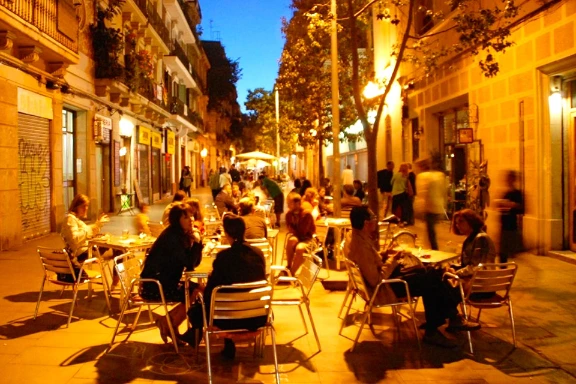
Personally, I love starting a vermut and tapas crawl around 2:00 pm, choosing one part of the city and letting the afternoon unfold slowly: a vermut, a small tapa, a bit of people-watching, then a short walk to the next place.
Frank’s take: vermouth culture is one of the easiest ways to understand how Barcelona really lives beyond the tourist layer. Every neighborhood gives the ritual a slightly different flavor — elegant, local, creative, old-school, or seaside.
This guide looks at the history of vermut, how locals actually enjoy it, what to order with it, and where the ritual feels best across different Barcelona neighborhoods.
The Barcelona vermut ritual
Vermouth Culture in Barcelona
Vermouth, known locally as vermut, has a long and vibrant history in Barcelona. This fortified wine, infused with botanicals, herbs, citrus, and spices, has become one of the city’s most beloved social rituals — and one of the easiest ways to understand how locals actually spend their weekends.
Historical Background
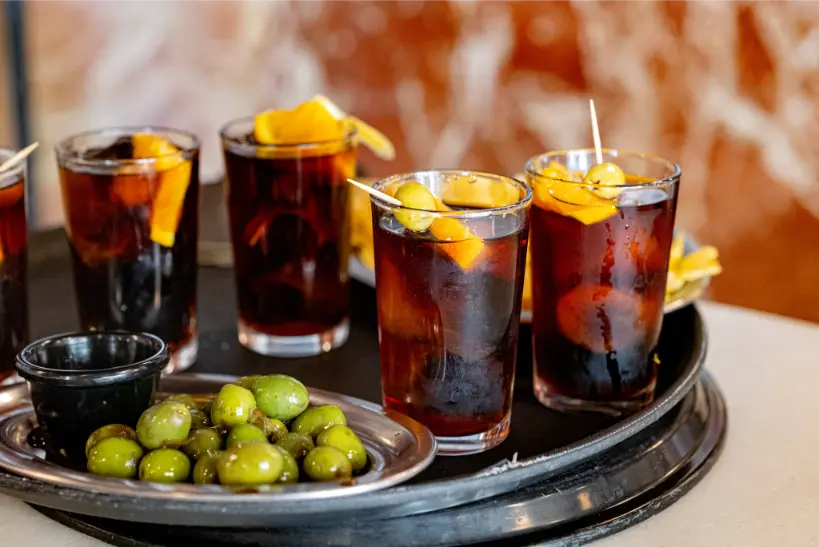
Vermouth became popular in the 19th century, originally linked to supposed medicinal properties. In Catalonia, it gradually evolved into a social pre-lunch tradition served on tap as vermut de grifo, usually with ice, orange, and an olive.
The Social Ritual
Vermouth is built around conversation, wandering, and small plates. It pairs perfectly with olives, anchovies, crisps, bombas, conservas, and calamari — the ideal bridge between a morning stroll and a long lunch.
The Right Time
The classic window is between midday and 2:00 pm, especially on Sundays. Locals call it fer el vermut in Catalan or hacer el vermut in Spanish — literally, “to do the vermouth.”
Modern revival
In recent years, vermouth has enjoyed a major revival. New bars and traditional vermuterías now focus on artisanal, small-batch, and house-made vermouths, blending old Barcelona ritual with modern creativity.
What to order first
Black vs White Vermouth: Which One Should You Try?
One of the first things you notice when exploring vermouth culture in Barcelona is that people often have strong preferences. Some swear by black vermouth, others prefer the lighter freshness of white vermouth, and a few like to mix both just to keep life interesting.
There is no wrong answer. The best choice depends on the bar, the neighborhood, the weather, and the mood of the afternoon.
Classic Barcelona choice
Black Vermouth
Black vermouth, often called red or sweet vermouth, is richer, darker, and more layered. Expect sweet, spiced, herbal, citrus, and slightly bitter notes.
In Barcelona, this is the classic option: served over ice with an olive and a slice of orange. Simple, old-school, and hard to improve.
Lighter & brighter
White Vermouth
White vermouth, also known as dry or bianco vermouth, is paler and fresher. The flavor leans toward citrus, herbs, floral notes, and a cleaner finish.
It often feels more modern and aperitif-led, especially in trendier bars around places like El Born or the waterfront.
The fun local order
The “Michael Jackson” Vermouth
For something playful, try what some locals jokingly call a “Michael Jackson” vermouth — a mix of black and white vermouth in the same glass. It sounds strange, but it can be surprisingly balanced: the depth of black vermouth with the freshness of white.
My advice: start with black vermouth in a classic bodega, then try white somewhere more modern. By the second stop, you will probably understand why a Barcelona vermouth crawl is so much fun.
From tourist vermouth to local vermut
Martini vs Local Vermouth in Barcelona
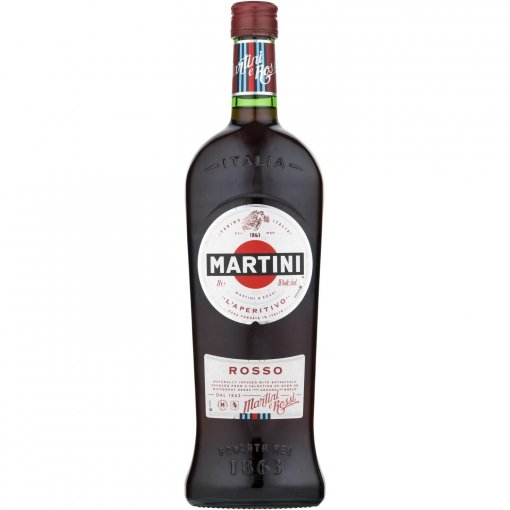
Martini is probably the first vermouth most foreigners encounter in Barcelona, and honestly, I used to enjoy it myself. But as my taste evolved, I started drinking it less and less.
One of the real pleasures of Barcelona is moving beyond the big commercial brands and discovering the house vermouths served from barrels, taps, or giant glass bottles in proper vermuterías and old-school bodegas.
My rule: if a bar only serves Martini or pours “vermut casero” from a cardboard box, keep walking — you are probably not in a serious vermouth bar.
The better places usually have their own house blend, often slightly different from one neighborhood to another: sweeter, more bitter, more herbal, more citrus-led, or with a stronger spiced finish.
That becomes part of the fun of wandering through different Barcelona neighborhoods and seeing how each place expresses the ritual differently.
What locals usually say
Vermut
Most locals in Barcelona simply say “vermut”, especially in Catalan-speaking environments. You will hear: “Fem un vermut?” (“Shall we go for a vermouth?”)
Tourist-facing version
Vermouth
Some bars switch to the English or international pronunciation — especially if they immediately recognize you are foreign — but the local rhythm and culture around it remain the same.
My honest opinion? The local vermouth is usually much better than Martini, and often cheaper too.
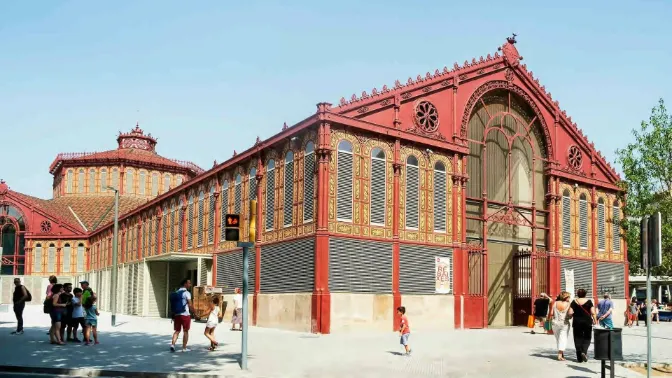
Once you start trying proper house blends in places around Sant Antoni, El Born, or the old city, it becomes very hard to go back to supermarket-style vermouth.
Barcelona Lifestyle & Neighborhood Hunting
Want to Live Near the Best Barcelona Rituals?
Vermouth culture is one of those small daily pleasures that makes Barcelona feel special. If you want to buy here, I can help you match your lifestyle to the right neighborhood — whether that means classic bodegas, beach walks, quiet plazas, local markets, or a proper weekend tapas crawl.
Vermouth Questions