From the BHH Journal
Notes on buying property and living well in Barcelona.
Edition 010
Family Living Edition
August 2026
Barcelona Family Neighborhood Guide
You’re Choosing the Childhood They’ll Remember.
Most families begin with bedrooms, square metres and schools. The better search begins with the life waiting outside the front door.
The family thesis
Children rarely remember the property listing.
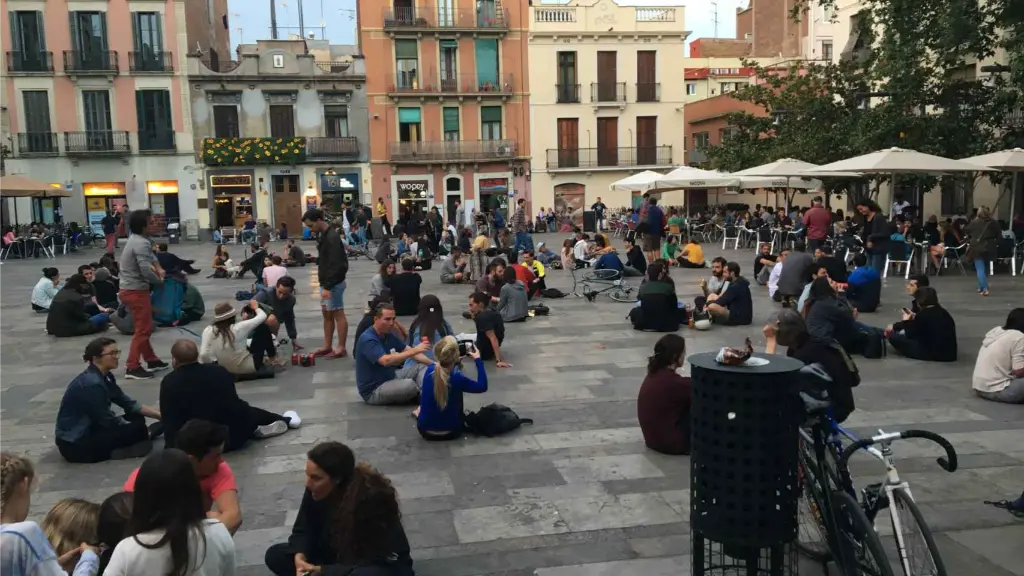
They remember the bakery where they bought their first croissant, the park where they learned to ride a bicycle, the route they walked to school and the neighbours who knew their name.
The apartment becomes home. The neighbourhood becomes childhood.
Define Your Family’s Priorities →Before comparing neighborhoods
Let’s Talk About Your Family First.
The biggest mistake is asking, “Which Barcelona neighborhood is best for families?”
The better question is: Which neighborhood will quietly support the life our family wants to live every day?
Growing independence
What do you hope your children can do on their own?
Walk to school? Buy bread from the neighborhood bakery? Meet friends in the local square? Ride a bike to football practice? Independence develops gradually, and some neighborhoods make those small steps much easier than others.
Ordinary weekends
What does a completely normal Saturday look like?
Forget holidays and sightseeing. Are you walking through small plazas, spending the morning at the beach, cycling together or meeting friends for lunch? The neighborhood should make your real routines feel natural.
Belonging and practicality
Do you want community, convenience—or both?
Some families value recognizing neighbors, chatting with the café owner and joining local traditions. Others prioritize modern apartments, direct transport and having everything close by. Both are valid, but they often point toward different parts of Barcelona.
Honest trade-offs
What compromises are you genuinely willing to make?
Larger apartments are often farther from the center. Historic neighborhoods offer character but may provide fewer lifts and less parking. Coastal areas provide lifestyle, while quieter districts may offer more space. Every neighborhood gives something and asks for something in return.
The five-year view
Will this neighborhood still fit as your children grow?
A neighborhood that works for a toddler may feel very different once that child wants independence, friends nearby and the ability to move around without a parent. Buy for the family you are becoming—not only the family you are today.
Different families · Different answers
Which Barcelona Neighborhood Fits Your Family?
A family relocating with a toddler, two teenagers or a child entering an international school may all ask for a family-friendly neighborhood in Barcelona.
They are not asking for the same thing. These five profiles reflect the priorities that regularly shape a real Barcelona property search.
The young family
Two parents, one toddler—and routines that need to remain simple.
Their priorities are a reliable lift, practical floor plan, nearby childcare, playgrounds, groceries and streets that remain manageable with a pushchair. They want cafés and city life, but they do not want every ordinary errand to become an expedition.
Where I would begin
Compare Sant Antoni , Les Corts and established parts of Poblenou . Then test the building entrance, lift, pushchair storage and distance to everyday services.
The school-led relocation
The school decision is already shaping the map.
This family may be moving for work and choosing between an international, bilingual or local school. A preferred school can turn a beautiful neighborhood into an exhausting daily commute—or make a less fashionable area the most practical choice.
The community family
They want their children to grow up recognizing familiar faces.
They imagine local plazas, neighborhood festivals, independent shops and routines that allow relationships to develop gradually. They may accept an older or smaller apartment if the streets outside create a stronger sense of belonging.
Where I would begin
Explore Gràcia and selected parts of Sant Antoni . Pay close attention to plaza noise, lift access, bedroom orientation and nighttime terrace activity.
The active family
Their ideal weekend begins outdoors rather than inside the home.
Cycling, running, the beach, parks and room to move matter more than historic architecture. A terrace, practical storage, parking or a newer building may have greater value because those features support the life the family already lives.
Where I would begin
Begin in Poblenou and the wider Sant Martí coastline. Compare those options with Les Corts or quieter residential districts when schools, storage and long-term practicality matter as much as beach access.
The family with teenagers
Independence matters more now than playground proximity.
Teenagers need transport, friends, activities and the ability to move through Barcelona without relying on a parent for every journey. A neighborhood that worked beautifully in early childhood can begin to feel isolated once their world expands.
Where I would begin
Compare well-connected areas such as Les Corts , Sant Antoni and selected parts of Eixample. Test the evening walk, metro access and journeys to school, friends and extracurricular activities.
The important distinction
A neighborhood is not family-friendly in the abstract.
It becomes family-friendly when its streets, buildings, transport and daily rhythm support the particular family living there.
The weekday test
Imagine Tuesday Morning in Five Different Barcelonas.
Weekend visits can make almost any neighborhood feel attractive. The more useful comparison is a weekday filled with school runs, work, groceries, activities, homework and the journey home.
Tuesday in
The school run feels woven into neighborhood life.
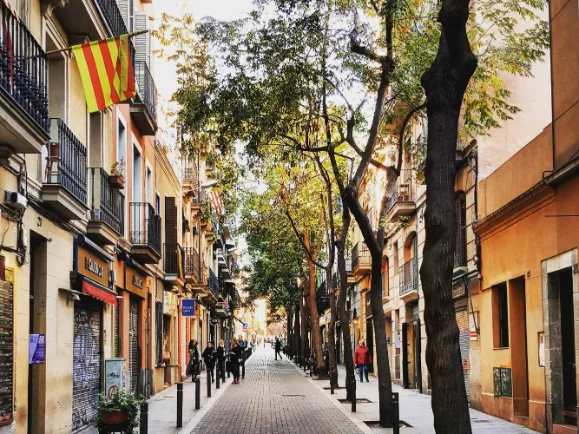
The bakery is already open, delivery bicycles move through the streets and parents walk in the same direction. Children recognize classmates before reaching school. By late afternoon, plazas fill again and ordinary errands happen between familiar local shops.
What I would check
The exact street. Plaza noise, deliveries, terrace activity, lift access and bedroom position can make two nearby Gràcia homes feel completely different.
Tuesday in
The greatest luxury is how little effort the day requires.
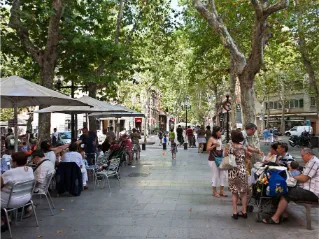
School, groceries, the metro and coffee are close enough that the morning rarely needs complicated planning. After school, bread, activities and dinner ingredients can become stops on the short walk home rather than separate journeys across Barcelona.
What I would check
Compare the busy café corridors with the quieter residential grid. Prioritize natural light, bedroom placement and protection from evening noise.
Tuesday in
The day moves between neighborhood life and the coastline.
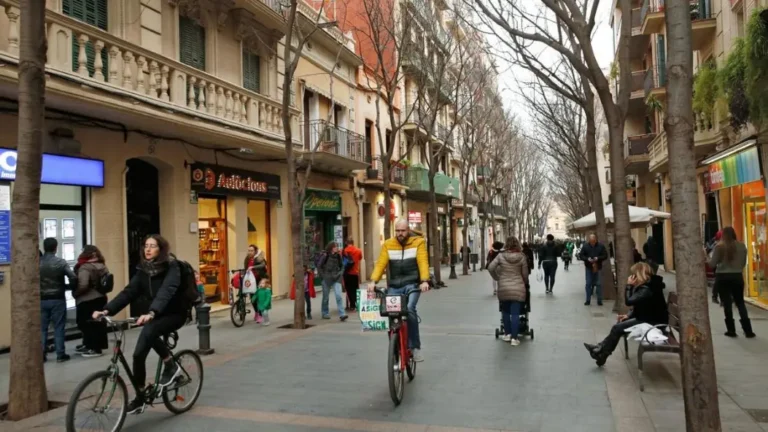
Wider pavements and flatter streets make bicycles and pushchairs easier to manage than in many older districts. By evening, the beach can become part of the family routine rather than a special weekend excursion.
What I would check
Test the real routes between the property, school, metro, groceries and beach. Return after office hours to see whether the immediate streets still feel active and convenient.
Tuesday in
Family routines feel organized rather than theatrical.
Schools, supermarkets, transport and sports facilities sit inside a predominantly residential environment. The streets may feel less romantic than Gràcia, but they often ask less of parents balancing work, children and household logistics.
What I would check
Major roads and commercial zones alter the experience. Compare the school and transport routes with the quality of the immediate residential block.
Tuesday in
The school journey may shape almost every other decision.
The family may leave earlier because school, work and hillier geography require more planning. Sarrià can still feel intimate and familiar, but a beautiful home becomes tiring when every activity demands another complicated journey.
What I would check
Map school and work journeys before viewing seriously. Walking distance on a map may not reflect hills, traffic, transfers or morning-rush timing.
What the Tuesday test reveals
Compare Effort, Not Only Atmosphere
Gràcia: community and neighborhood belonging
Sant Antoni: compact everyday convenience
Poblenou: outdoor life and easier mobility
Les Corts: organized residential practicality
Sarrià: school access and quieter upper-city living
Your family: the routine you most need to simplify
A neighborhood evaluation
How I Evaluate a Family-Friendly Neighborhood in Barcelona
Most of my evaluation begins before I ring the apartment’s doorbell.
Floor plans can be compared later. Kitchens can be replaced and walls can be painted. What a listing cannot show is how the surrounding streets will shape the family’s ordinary routines.
After walking hundreds of streets across Barcelona, these are the habits I return to during a family property search.
Before the viewing
I arrive fifteen or twenty minutes early.
I am not rushing to see the apartment. I want to watch the street. Sometimes I learn more before opening the front door than I do during the viewing itself.
What I observe
- Parents and children
- Cyclists
- Delivery traffic
- Dog walkers
- Building entrance
- Street maintenance
Beyond the façade
I continue past the front door.
A pleasant street may back onto a noisy avenue, restaurant terrace or active construction site. The opposite also happens: an ordinary building may sit inside exactly the residential pocket a family hoped to find. Barcelona can change noticeably within one block.
What I check nearby
- Rear of the building
- Nightlife
- Traffic routes
- Rubbish points
- Vacant premises
- Construction
Everyday life
I buy something completely ordinary.
Not brunch. Not specialty coffee. Bread, milk, toothpaste or a bottle of water. A home search is not mainly about finding the neighborhood’s best restaurant. It is about whether ordinary life still feels easy after the excitement of moving disappears.
The ordinary-errand test
- Supermarket
- Bakery
- Pharmacy
- Crossings
- Pavement width
- Return walk
The independence test
I imagine a twelve-year-old using the route alone.
Childhood gradually becomes independence, and the neighborhood either supports that process or makes it harder. I look beyond attractiveness to evaluate how people actually move through the street.
The question
Would I feel comfortable letting a twelve-year-old walk this route independently?
What shapes the answer
- Traffic speed
- Crossings
- Corner visibility
- Lighting
- Pavement space
- Public transport
Before an offer
I always return at another time.
A neighborhood at eleven in the morning is not the same place at five in the afternoon or nine in the evening. Schools finish, restaurants open, traffic changes and terraces fill. I would never recommend a family location experienced only once.
When I return
- School-run morning
- After school
- Dinner time
- After dark
- Weekday
- Weekend
From Frank’s notebook
People often think they are buying an apartment.
They are also buying school mornings, the walk to the bakery, Sunday routines, neighbors they will recognize and the feeling they get when they turn the corner and know they are almost home.
The apartment is only part of the decision. The neighborhood is the life that surrounds it.
Building the neighborhood shortlist
The Best Barcelona Neighborhood Depends on What Your Family Needs Most.
These are not rankings. They are starting directions for a family property search.
Begin with the life you want, explore the neighborhoods most likely to support it, and then test each option street by street and building by building.
If community matters most
Begin with Gràcia.
What the family gains
Familiar faces, independent shops, local festivals and plazas that become part of everyday life. Children can feel they belong to a neighborhood rather than merely living inside a large city.
The compromise
Older buildings, inconsistent lift access, difficult parking and streets that may be considerably noisier than Gràcia’s village-like reputation suggests.
Where I would begin
Explore quieter residential streets within walking distance of the plazas. The liveliest address is not necessarily the strongest family location. Read the Gràcia neighborhood guide .
If everyday convenience matters most
Begin with Sant Antoni.
What the family gains
Schools, groceries, transport, cafés and central-city access close enough that many ordinary routines happen naturally on foot.
The compromise
The busiest social streets can bring restaurant, terrace and delivery noise. A quieter block only a short walk away may offer a much stronger residential experience.
Where I would begin
Compare the residential grid with the fashionable café corridors, then prioritize natural light and bedroom orientation. Explore the Sant Antoni neighborhood guide .
If your family lives outdoors
Begin with Poblenou.
What the family gains
Flatter streets, bicycle infrastructure, wider pavements, parks and beach access. Newer buildings may also provide lifts, terraces, storage, parking and practical family layouts.
The compromise
Beach proximity, office activity and ongoing redevelopment do not create the same residential atmosphere on every block.
Where I would begin
Test the complete route between the property, school, metro, groceries and coastline. The beach should improve daily life—not compensate for an inconvenient street. Read the Poblenou neighborhood guide .
If the school decision comes first
Begin with Sarrià and Les Corts.
What the family gains
Access to many international and bilingual schools, quieter residential streets and a more predictable family environment.
The compromise
Higher prices, hills or increased transport dependence. A beautiful home can become tiring when school, work and activities each require another complicated journey.
Where I would begin
Choose the school first and measure the real journey during morning traffic. Compare Sarrià with the Les Corts neighborhood guide .
If this is your first family home
Begin with flexibility—not perfection.
What to prioritize
A practical layout, reliable transport, usable bedrooms, healthy building and a neighborhood that supports the family’s present routines.
What to avoid
Trying to purchase for every imaginary version of the next twenty years: another child, different schools, permanent remote work, visiting grandparents and teenagers who do not yet exist.
Where I would begin
Choose a neighborhood that works for the family you are now while providing enough flexibility for the next chapter. Transport, layout and resale appeal usually matter more than securing a supposedly perfect postcode.
From Frank’s notebook
I do not think there is one best family neighborhood in Barcelona.
There is only the neighborhood that best matches your version of family life.
My job is to make the trade-offs clear enough that, when a family walks the right street, they recognize why it feels like home.
Schools, Commutes & Morning Reality
Choose the School. Then Choose the Journey.
The school run becomes one of the most repeated journeys in family life. It deserves as much attention as the school itself.
Parents moving to Barcelona naturally compare curricula, teaching languages, reputations and school communities. Far fewer spend the same amount of time examining what happens between the apartment and the school gate.
Yet the right school with the wrong commute can create more daily stress than a second-choice school ten minutes from home. When I help families decide where to live near a Barcelona school, I ask them to picture an ordinary Tuesday morning in November—not the excitement of moving day.
Follow the Morning
A short distance does not always make an easy commute.
Before the First Bell
The morning begins long before school.
Breakfast, bags, forgotten homework and getting everyone through the front door are already part of the routine. Steep hills, narrow pavements, busy junctions and awkward crossings can turn a short distance into a tiring daily journey—especially with a buggy or more than one child.
The Journey Itself
Every extra transfer asks something from the family.
Changing metro lines, waiting for a bus, searching for parking or coordinating different drop-off times may each seem manageable. Repeated over hundreds of school mornings, those small inconveniences become part of family life. The fastest route shown by an app is not necessarily the easiest one.
Five Years From Now
Children become independent faster than buyers expect.
Most families picture the first year after moving. I also picture the fifth. Could an older child eventually walk to school, reach an activity, meet friends or use public transport without every journey depending on a parent? Neighborhoods that support gradual independence often become much easier places to raise teenagers.
Before Making an Offer
Test the life around the apartment.
The objective is not to find a perfect route. It is to understand how much effort the location will quietly require from your family every week.
Walk the actual route and inspect its pavements, crossings, traffic and hills.
Repeat the journey around 8:00 a.m. A midday visit may tell you very little.
Count the transfers, waiting time and walking required at both ends.
Walk to the supermarket, pharmacy and bakery—not only the fashionable restaurant.
Test the journey to likely sports, music, parks and friends’ homes.
Walk the route after dark and notice lighting, traffic and activity on the street.
Inside the Family Home
The Neighborhood Can Be Right—and the Apartment Still Wrong.
A family-friendly neighborhood cannot rescue a home that makes everyday life unnecessarily difficult.
Once families find an area they love, it becomes tempting to excuse compromises inside the apartment. But the home still has to absorb school bags, laundry, homework, visitors, bicycles, changing routines and children who will not remain small forever .
I evaluate a Barcelona family home according to how the household will actually move through it—not simply by the bedroom count or square meters shown in the listing.
The Family-Home Stress Test
Look beyond the listing photographs.
These are the four areas I would test before deciding whether an apartment genuinely works for family life.
Before the Front Door
The building is part of the family home.
A fourth-floor apartment may be beautiful, but the reality changes when the lift is tiny, unreliable or absent. Pushchairs, bicycles, shopping, luggage and sleeping children all have to reach the apartment somehow.
Entrance access, lift size, stairs, intercom, bicycle space, rubbish arrangements and whether an older child could enter independently.
Layout & Daily Movement
A smaller intelligent layout can outperform a larger awkward one.
Long corridors, unusable corners and badly positioned rooms consume square meters without improving family life. Clear circulation, connected living space and sensible bedroom placement frequently matter more than the headline floor area.
Where shoes and school bags land, where homework happens and whether cooking turns the entire apartment into a traffic corridor.
Bedrooms, Light & Noise
Count the usable bedrooms—not the rooms called bedrooms.
A room can appear as a bedroom on the floor plan while receiving little natural light, facing a noisy shaft or offering almost no privacy. A bright living room does not compensate indefinitely for dark, hot or noisy sleeping spaces.
Daylight, ventilation, nighttime noise, privacy from the living room and enough separation for study and sleep as children grow.
Storage & Flexibility
Every spare room needs a real purpose.
Family homes collect bicycles, sports equipment, school materials, suitcases and seasonal clothing—none of which appear in listing photographs. An undefined room can quickly become an expensive storage area.
Built-in storage and rooms that can change from nursery to office, guest room, study space or teenager’s bedroom without requiring another major renovation.
The Growing-Family Test
Imagine the apartment after the children stop being small.
Toddlers benefit from supervision and open sightlines. Older children need privacy, study space, storage and the freedom to come and go without disturbing the entire household.
This does not mean buying for every possible future. It means asking whether the property has enough flexibility to support the next stage of family life without immediately forcing another move.
Would this apartment still work if everyone living here needed privacy at the same time?
The Neighborhood Reality Test
Never Judge Family Life From One Sunny Viewing.
A property viewing shows one home at one carefully selected moment. It does not show you the complete neighborhood.
It rarely reveals the traffic before school, the plaza after dinner, the bedroom street late at night or how the area changes when the weekend begins. Before committing, return when the neighborhood has something different to prove.
Four Visits · Four Different Questions
Test the rhythm outside the front door.
You do not need to spend weeks studying every street. For a serious finalist, four deliberately timed visits will reveal far more than repeated daytime viewings.
Watch the school-run morning.
Observe traffic, delivery vehicles, crossings, pavement space and public transport. The question is not whether the route is technically possible. It is whether repeating it will feel manageable when everyone is tired or running late.
Congested junctions, narrow pavements, double parking, crowded buses and whether local families appear rushed or comfortable.
See where family life gathers.
Look at playgrounds, plazas, supermarkets and after-school activity. Notice whether children and teenagers appear naturally in the area—or whether family life seems to happen somewhere else.
Children moving independently, places for parents to pause, useful everyday shops and whether public spaces support more than one age group.
Listen after the viewing schedule ends.
Restaurant terraces, scooters, rubbish collection, traffic and conversations below the bedrooms can completely change a street. Some evening energy feels reassuring. Some becomes exhausting when it happens beneath your windows every night.
Bedroom-facing noise, dark stretches, delivery activity, late-closing businesses and how comfortable the walk home feels.
Test the weekend you will actually live.
Does the neighborhood feel naturally local, overwhelmingly crowded, strangely empty or genuinely suited to the way your family spends its free time? Weekend character often reveals who an area truly serves.
Tourist pressure, queues, playground use, market activity, terrace crowds and whether your preferred weekend routine feels easy to imagine.
The Final Comparison
Compare routines—not only addresses.
Once two or three locations remain, compare what each one will ask from your family every week. The best choice often becomes clearer when effort, independence and convenience sit beside the emotional appeal of the property.
- Which location creates the simplest school and work mornings?
- Where can the children gain independence as they grow older?
- Which neighborhood makes ordinary errands happen naturally?
- Where does the evening atmosphere still feel comfortable?
- Which compromise will the family notice least after moving in?
Rent First or Buy in Barcelona?
The Right First Home May Not Be the One You Buy.
Renting is not always hesitation—and buying is not always confidence.
The right choice depends on how much of your family’s Barcelona life is already known, and how expensive it would be to discover that one of your most important assumptions was wrong.
When certainty is still developing.
A temporary rental gives the family time to experience the school journey, commute, neighborhood rhythm and Barcelona housing market without making every decision permanent immediately after arrival.
This can be particularly valuable when a school place is not confirmed, employment arrangements may change or family members have very different ideas about where they want to live.
- You have not experienced an ordinary school and working week in Barcelona.
- Your preferred school, commute or long-term budget remains uncertain.
- You are comparing substantially different neighborhoods.
- Buying immediately would force important decisions under relocation pressure.
When the important variables are already settled.
Buying from the beginning can make sense when the family already knows Barcelona, has confirmed its school and work geography and expects to remain long enough to justify the financial and practical commitment.
The strongest direct purchases are rarely driven by urgency. They begin with a clear brief, a realistic complete budget and the willingness to reject attractive properties that do not support everyday family life.
- The school place and regular commute are already confirmed.
- You know the target neighborhood beyond holidays and short visits.
- Your financing, taxes, fees and purchasing ceiling are understood.
- The property can support the family through several stages of life.
The Practical Middle Ground
Rent briefly—but search deliberately.
Renting first does not have to mean postponing a purchase indefinitely. A focused rental period can test two or three serious locations, clarify the family’s priorities and establish what the purchase budget genuinely buys.
The objective is to replace assumptions with evidence: an actual school journey, a real commute, different seasons and enough property visits to understand the trade-offs clearly.
You are ready to buy when different properties, repeated visits and ordinary routines continue pointing toward the same neighborhood and the same priorities.
The Family Relocation Roadmap
A Smoother Move Begins With the Decisions in the Right Order.
Families often try to solve the school, neighborhood, home, paperwork and moving date simultaneously.
The process becomes more manageable when each decision reduces uncertainty for the one that follows. Your property search should be the result of the plan—not the place where the plan begins.
From Planning to Everyday Life
Five phases from possibility to home.
Define the life before searching for the address.
Clarify the likely move date, work geography, school preferences, housing budget and whether the first home will be rented or purchased. Separate genuine requirements from features that would simply be pleasant to have.
A family brief based on routines, priorities and realistic trade-offs.
Establish the school and commute geography.
Research curricula, application periods, language options and realistic availability. A confirmed school or workplace can substantially change which Barcelona neighborhoods create a workable morning.
A practical search area shaped by the journeys the family will repeat most often.
Reduce Barcelona to two or three serious neighborhoods.
Compare housing stock, school journeys, work commutes, daily errands and family lifestyle. Test exact streets at different times instead of relying on broad district reputations or online “best neighborhood” lists.
A focused neighborhood shortlist that can be tested properly.
Become ready to act before the right home appears.
Buyers should clarify their NIE, financing, acquisition costs and true purchasing ceiling. Renters should prepare identification, income evidence and a strong application file. Barcelona homes rarely wait while a family begins organizing its documents.
A family capable of making a considered decision without losing time to avoidable administration.
Test the complete life—not only the property.
Evaluate the street, repeated journeys, building access and apartment layout together. Before committing, return during ordinary life. After moving, establish the school route, local shops, healthcare, activities and small weekly rituals that turn an unfamiliar area into the family’s Barcelona.
A home that supports both the move and the years that follow it.
Continue Planning
Use the guide that matches your next decision.
These BHH resources continue the family relocation, rental and property-purchase planning process.
The Final Verdict
The Best Barcelona Neighborhood Is the One That Makes Family Life Work.
There is no single best family-friendly neighborhood in Barcelona. There is only the neighborhood that best supports your family’s ordinary week.
For one family, that may mean the village rhythm of Gràcia. For another, it may be Poblenou’s space and access to the sea, Sant Antoni’s everyday convenience or the school geography of Sarrià and Les Corts.
The right decision appears when lifestyle, school journey, budget, building and apartment begin pointing in the same direction .
You Are Getting Close When
The decision becomes simpler—not more exciting.
The ordinary week feels manageable.
School, work, shopping, activities and the return home can happen without every day becoming a logistics exercise.
You understand what you are accepting.
No Barcelona neighborhood or apartment is perfect. The strongest choice is usually the one whose compromises the family can name clearly and live with comfortably.
The choice works beyond the first year.
The neighborhood supports growing independence, while the home has enough flexibility to survive changing routines, privacy needs and family stages.
Barcelona Home Hunter
Let’s Find the Part of Barcelona That Fits Your Family.
Choosing where to live becomes easier when someone helps connect the school journey, neighborhood rhythm, housing stock and complete property decision.
Barcelona Home Hunter provides independent, buyer-focused guidance for international families renting, relocating or purchasing a home in Barcelona .
No generic shortlist. We begin with your family’s routines, priorities and version of everyday life in Barcelona.
Family Living in Barcelona
Frequently Asked Questions
Short answers to the questions international families most often ask when choosing where to live, rent or buy in Barcelona.
What are the best family-friendly neighborhoods in Barcelona?
Gràcia, Sant Antoni, Poblenou, Les Corts and Sarrià are all strong starting points, but they suit different family priorities.
Gràcia offers community and village-like streets. Sant Antoni provides central convenience. Poblenou combines space, parks and access to the sea. Les Corts is practical and well connected, while Sarrià offers a quieter residential rhythm and useful school geography. The best choice depends on the family’s school journey, work commute, budget and preferred daily routine.
Is Barcelona a good city for raising children?
Barcelona can be an excellent city for raising children because many neighborhoods support a highly walkable daily life. Schools, parks, shops, public transportation and activities can often be reached without depending on a car.
The experience varies considerably by exact neighborhood, street and building. Families should evaluate traffic, noise, green space, school access and the child’s potential for independence rather than relying on the city’s overall reputation.
Where should families live near international schools in Barcelona?
Many families begin with Sarrià-Sant Gervasi, Les Corts and Pedralbes because they provide useful access to several international and private-school routes. However, the right location depends on the specific school—not simply the district where schools appear to cluster.
Before choosing a home, test the actual morning journey during school traffic. A short distance on a map can involve hills, transfers, congestion or waiting time that significantly changes the family routine.
Is Sarrià or Les Corts better for families?
Sarrià generally suits families seeking a quieter, more residential atmosphere with a village-like center. Les Corts often feels more practical, connected and integrated into the working city.
Sarrià may appeal more to families prioritizing calm and proximity to particular schools. Les Corts may work better when transport, commuting and everyday convenience carry greater weight. The best answer depends on the exact school route, housing budget and preferred pace of life.
Should a family rent before buying property in Barcelona?
Renting first can be sensible when the school place, commute, preferred neighborhood or long-term budget remains uncertain. A focused rental period allows the family to test ordinary life before making a major property commitment.
Buying directly may make sense when the family already knows Barcelona, has confirmed its school and work geography, understands the complete purchasing costs and expects to remain for several years. The decision should reflect how much is genuinely known—not pressure to buy immediately.
Which Barcelona neighborhoods work well for families without a car?
Gràcia, Sant Antoni, central Eixample, Les Corts and parts of Poblenou can all support family life without a private car because daily shops, schools, parks and public transportation are often within practical reach.
The exact street matters more than the neighborhood name. Before deciding, walk to the school, supermarket, pharmacy, metro or bus stop and likely after-school activities. A car-free lifestyle works best when those repeated journeys connect naturally.