Choosing Where to Live
Areas to Avoid in Barcelona Where I would—and wouldn't—choose to live.
Barcelona has very few places I would simply tell someone not to live. But there are plenty of streets, buildings and neighborhoods that deserve a closer look before you commit to them.
The Better Question
Not “Is this a bad neighborhood?” but “Is this the right neighborhood for me?”
Safety matters, but so do noise, tourism, housing quality, walkability, daily routines and whether the area actually fits the life you want in Barcelona.
Where I'd Slow Down
Five places where I'd ask more questions before saying yes.
Not all hesitation means the same thing. Sometimes it's about safety. Sometimes it's noise, housing quality or tourists. And sometimes the neighborhood is perfectly fine—it just isn't a particularly good fit for the person sitting across from me.
Street by Street
El Raval Don't dismiss it. Don't buy it blind.
Raval has a reputation that is both deserved and exaggerated. It is central, culturally interesting and extraordinarily convenient, and some people genuinely love living there.
But the experience can change quickly from one street to another. Noise, street activity, petty crime, building condition and the immediate environment matter enormously. This is one neighborhood where I would want to inspect the exact micro-location, not just the postcode.
Tourism Overload
Las Ramblas & the tourist core Great to visit. Much harder to live.
A central address can look spectacular on a map and still make everyday life exhausting. Heavy pedestrian traffic, tourist businesses, late-night activity and petty theft can overwhelm the advantages of being in the middle of everything.
For most people looking for an actual Barcelona home, I would rather move a few streets away and keep the walkability without living inside the tourist machine.
Caution Today
Besòs & the eastern edge Lower prices can come with real trade-offs.
Around parts of El Besòs i el Maresme and across the municipal boundary toward Sant Adrià, the urban environment can feel noticeably different from central Barcelona. Housing stock, public space and the immediate street environment deserve careful inspection.
I would be particularly cautious about treating a lower purchase price as an automatic bargain. The question is why the discount exists—and whether the trade-off works for you.
Mostly a Fit Question
Sant Andreu Not an area I'd tell people to avoid.
Sant Andreu proper can be pleasant, local and genuinely residential. There are streets with a strong neighborhood identity that some buyers would choose precisely because they feel removed from tourist Barcelona.
But parts of the wider district become more peripheral and utilitarian, and that can be a mismatch for an international buyer imagining elegant architecture, café life and the walk-everywhere Barcelona they experienced on holiday.
This is also why simple rankings fail: some locals I speak with would happily choose central Raval over a more peripheral part of Sant Andreu.
Lifestyle Can Become Friction
Barceloneta, Gothic & parts of El Born Romantic addresses with very real compromises.
These are exactly the neighborhoods where someone can fall in love during a three-day visit and feel very differently after three months.
Older buildings, small apartments, stairs, humidity, nightlife and tourists are not automatically deal-breakers. For the right person they are part of the appeal.
But if you want quiet evenings, easy parking, generous layouts or predictable family routines, the charm can become friction surprisingly quickly.
“Avoid” is often the wrong word.
What I'm really looking for is the mismatch between what an area offers and what you expect from living there.
Some locations deserve extra caution today. Some simply suit a different lifestyle. And a few may be far more interesting as a long-term investment story than as the place I'd personally choose to live right now.
Beyond the Neighborhood
The neighborhood can be right. The apartment can still be wrong.
Neighborhood reputation is only the beginning. A property can sit in one of Barcelona's most desirable areas and still be a poor place to live—or a poor purchase.
Prime Doesn't Mean Perfect
Eixample is prime Barcelona real estate. That doesn't mean everyone should want to live there.
The architecture, location, transport and property values make Eixample one of Barcelona's most established residential markets. But some of its major streets are busy and noisy, and individual apartments can vary enormously in light, outlook and exposure to traffic.
Five things I would inspect before getting excited about the address.
The listing tells you the neighborhood, square metres and asking price. The things that determine whether you'll actually enjoy living there often require a closer look.
Light & orientation
A beautiful renovation cannot manufacture daylight. Interior-facing apartments, deep floor plans and poor orientation can make a home feel very different from its photographs.
Street noise
Traffic, buses, bars, delivery vehicles and people gathering below the balcony can transform an otherwise excellent apartment. I want to know what the street sounds like when you're trying to sleep.
Floor & access
Ground-floor privacy, humidity, security, a fifth-floor walk-up or a tiny old lift are not details once you live with them every day.
The building itself
The apartment may be renovated while the roof, façade, plumbing, common areas or other building elements still need serious attention. You are buying into the building too.
The community
Neighbors, commercial premises, community finances, planned works and how the building is managed can affect both your quality of life and the cost of ownership.
Time Changes the Street
The Barcelona you view at 11:00 may not be the Barcelona you live in at 01:00.
A viewing gives you a snapshot. Living somewhere means experiencing the entire day. Traffic, schools, deliveries, terraces, restaurants and nightlife all arrive on different schedules.
08:00
The working city appears.
School runs, buses, commuters, refuse collection and delivery vehicles reveal whether a quiet-looking street is actually a busy weekday route.
14:00
The easiest time to fall in love.
The sun is out, shops are open and many streets feel relaxed. It is often a wonderful time to view an apartment— and therefore not always the best time to discover its weaknesses.
20:00
Everyday life becomes visible.
Terraces fill, restaurants become active, neighbors come home and traffic patterns change. This is when you begin to understand what an ordinary evening outside your front door actually feels like.
01:00
Charm and noise finally separate.
In tourist and nightlife areas, bars closing, scooters, conversations in narrow streets and late-night businesses can transform the experience. A quiet viewing does not guarantee a quiet home.
But What About Safety?
“I don't like this street” and “this street is dangerous” are not the same thing.
Barcelona does have crime, and some locations deserve more caution than others. But conversations about the city often mix together violent crime, theft, discomfort and lifestyle preference as though they mean the same thing. They don't.
87.3%
Property offences
7.4%
Offences against people
Barcelona's reported crime profile is heavily weighted toward property crime. In practical terms, theft and pickpocketing deserve serious attention—but that is a very different risk profile from a city dominated by random violent crime.
For a deeper look at what safety actually feels like here, including neighborhoods, public transport, late-night movement and the difference between residents and visitors, read Is Barcelona a Safe Place to Live?
2024 data · Barcelona City Council · Mossos d'Esquadra
View official statistics ↗Violent Crime
Serious violence exists, but it is not how most people experience everyday risk in Barcelona.
I would never tell someone that any major city is risk-free. But when deciding where to live, I am usually more concerned with the exact street environment, late-night activity and obvious local problems than with treating entire Barcelona neighborhoods as violent no-go zones.
Theft & Pickpocketing
This is the Barcelona risk I take most seriously.
Phones, wallets and bags are attractive targets, particularly in crowded tourist areas, transport hubs and busy public spaces. A neighborhood can feel completely comfortable while still requiring good habits around valuables and personal belongings.
Feeling Uncomfortable
A street can feel rough without being especially dangerous.
Poor lighting, graffiti, people gathering outside, neglected buildings or unfamiliar street activity can make someone uneasy. That feeling matters—you have to live there. But I also try to separate “this isn't comfortable for me” from evidence that the area is genuinely unsafe.
Lifestyle Fit
Sometimes safety isn't the problem at all.
A loud Eixample avenue, a tourist-heavy Gothic Quarter street or a peripheral residential area may be perfectly safe and still be somewhere you would hate living. A poor lifestyle match does not need a crime statistic to be a legitimate reason to walk away.
The Other Side of “Avoid”
Some of the places I'd warn one person about are exactly where another person should live.
That's why I don't like universal neighborhood rankings. The real question is whether the trade-offs match your priorities, routines and tolerance for compromise.
The Urbanist
You want Barcelona outside your front door.
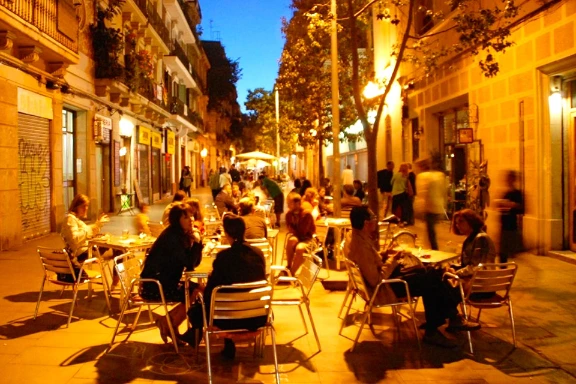
If you value walkability, nightlife, culture, small bars, old streets and being able to cross much of central Barcelona on foot, parts of Raval, El Born and the Gothic Quarter may make far more sense to you than they would to someone seeking quiet.
The trade-off is accepting more noise, tourists, older buildings and a street environment that can feel chaotic. If you're still trying to understand how these different areas compare, start with my guide to choosing the right Barcelona neighborhood .
The Beach-First Buyer
You would trade space and calm for the Mediterranean.
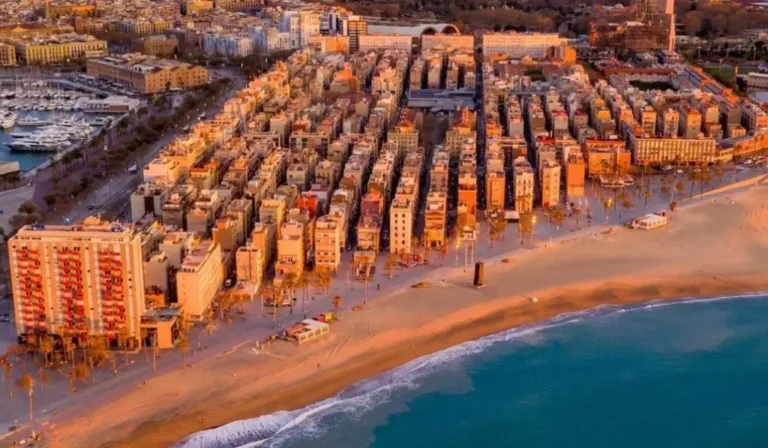
Barceloneta can be difficult to recommend to someone who wants generous rooms, silence and polished common areas. But if walking to the beach every morning genuinely changes your quality of life, those priorities may outweigh the compromises.
And if you want proximity to the sea with more space and a more residential environment, the comparison changes again. Poblenou is worth putting on the other side of that equation.
The Local-Life Buyer
You don't need Barcelona to perform for you.
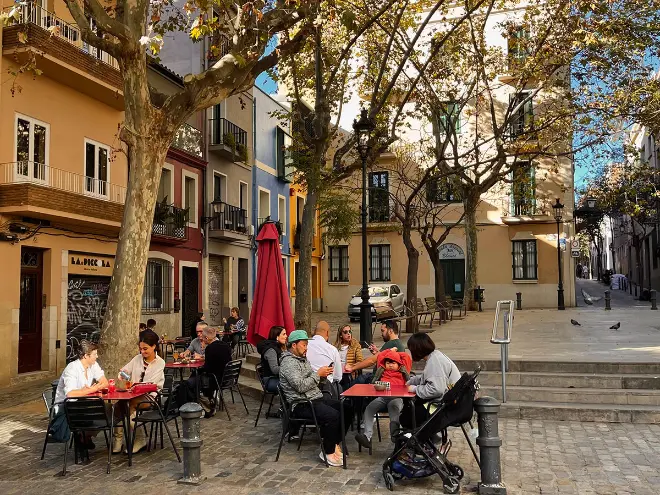
Some buyers actively prefer neighborhoods where daily life revolves around local shops, families, markets and ordinary routines rather than architecture or visitor appeal. For them, parts of Sant Andreu or other less internationally fashionable areas may feel more authentic—not less desirable.
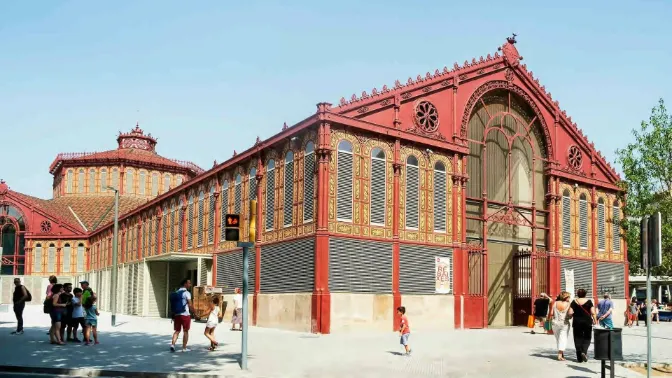
Another example is Sant Antoni : central and connected, but still capable of feeling like an actual neighborhood rather than a tourist destination.
The Long-View Investor
You care about what an area may become, not only what it is today.
Besòs is the clearest example in this article. I may be cautious about particular streets or buildings today, while still recognizing that major regeneration can alter connectivity, public space and market perception over time.
That's a different decision from choosing your favorite place to live tomorrow morning. If investment is the main objective, the Barcelona Property Investment Guide goes much deeper into how I think about location, value and long-term potential.
If These Trade-Offs Sound Terrible
Good. That tells us something useful about where you should look instead.
If your priorities are quieter streets, easier family routines, better housing stock or simply less friction in everyday life, Barcelona has plenty of alternatives. The goal isn't to find the neighborhood everybody says is “best.” It's to narrow the city until the choices begin to feel like you.
The Other Side of “Avoid”
Some of the places I'd warn one person about are exactly where another person should live.
That's why I don't like universal neighborhood rankings. The real question is whether the trade-offs match your priorities, routines and tolerance for compromise.
The Urbanist
You want Barcelona outside your front door.
If you value walkability, nightlife, culture, small bars, old streets and being able to cross much of central Barcelona on foot, parts of Raval, El Born and the Gothic Quarter may make far more sense to you than they would to someone seeking quiet.
The trade-off is accepting more noise, tourists, older buildings and a street environment that can feel chaotic. If you're still trying to understand how these different areas compare, start with my guide to choosing the right Barcelona neighborhood .
The Beach-First Buyer
You would trade space and calm for the Mediterranean.
Barceloneta can be difficult to recommend to someone who wants generous rooms, silence and polished common areas. But if walking to the beach every morning genuinely changes your quality of life, those priorities may outweigh the compromises.
And if you want proximity to the sea with more space and a more residential environment, the comparison changes again. Poblenou is worth putting on the other side of that equation.
The Local-Life Buyer
You don't need Barcelona to perform for you.
Some buyers actively prefer neighborhoods where daily life revolves around local shops, families, markets and ordinary routines rather than architecture or visitor appeal. For them, parts of Sant Andreu or other less internationally fashionable areas may feel more authentic—not less desirable.
Another example is Sant Antoni : central and connected, but still capable of feeling like an actual neighborhood rather than a tourist destination.
The Long-View Investor
You care about what an area may become, not only what it is today.
Besòs is the clearest example in this article. I may be cautious about particular streets or buildings today, while still recognizing that major regeneration can alter connectivity, public space and market perception over time.
That's a different decision from choosing your favorite place to live tomorrow morning. If investment is the main objective, the Barcelona Property Investment Guide goes much deeper into how I think about location, value and long-term potential.
If These Trade-Offs Sound Terrible
Good. That tells us something useful about where you should look instead.
If your priorities are quieter streets, easier family routines, better housing stock or simply less friction in everyday life, Barcelona has plenty of alternatives. The goal isn't to find the neighborhood everybody says is “best.” It's to narrow the city until the choices begin to feel like you.
Quick Answers
The questions people usually ask about where not to live in Barcelona.
The short answers are rarely as dramatic as the search results make them sound—but there are still useful distinctions to make.
What areas should you avoid in Barcelona?
I wouldn't create a blanket list of neighborhoods that everyone should avoid. I would, however, be more cautious about certain streets in El Raval, the immediate Las Ramblas area, some parts of the Besòs corridor and heavily touristed parts of Ciutat Vella.
Often the exact block matters more than the neighborhood name.
What are the most dangerous areas of Barcelona?
Barcelona is better understood as a city with higher and lower levels of street risk rather than a collection of violent “no-go zones.”
Theft and pickpocketing are much more important everyday concerns than random violent crime. For the fuller picture, see Is Barcelona a Safe Place to Live?
Is El Raval safe to live in?
Parts of Raval are perfectly livable and some residents genuinely love its central location, diversity and energy. Other streets deserve considerably more scrutiny.
Raval is one of the clearest examples of why I would evaluate the exact street and building rather than make a decision from the neighborhood label alone.
Should you avoid living near Las Ramblas?
For many residents, I would prefer being a few streets away. You can retain the exceptional central location without living directly inside one of Barcelona's busiest tourist corridors.
Crowds, late-night activity, tourist-oriented businesses and petty theft are often more relevant here than the prestige of the address.
Is El Besòs a bad place to buy property?
Not automatically. Some locations offer lower entry prices, but today's discount may reflect genuine compromises in housing stock, public space or the immediate street environment.
At the same time, major regeneration means parts of the wider Besòs area may have a very different long-term investment story. That is why I would separate “Would I live here now?” from “Could this location improve materially over the next decade?”
If investment is the primary objective, see the Barcelona Property Investment Guide .
Is Sant Andreu a good place to live?
Sant Andreu proper can be very pleasant: residential, local and largely removed from mass tourism. I would not describe the district as somewhere to avoid.
The question is more often whether its location and lifestyle match what an international buyer expects from Barcelona. Some buyers will appreciate the local feel; others will find more peripheral pockets too removed from the Barcelona they imagined.
Is Barcelona safe to walk around at night?
Much of Barcelona remains busy well into the evening, and normal city awareness is usually more useful than fear. But the experience changes significantly by street and hour.
If I'm evaluating somewhere to live, I want to know what the walk from the metro to the apartment feels like after dark —not merely what the street looked like during a midday viewing.
What areas of Barcelona are best for families?
Families often place more weight on quiet streets, schools, parks, transport routines and usable space than someone choosing purely for nightlife or centrality.
Sarrià, Les Corts, parts of Gràcia and Poblenou are among the areas worth comparing, but the right answer depends heavily on school location and daily logistics.
I've broken that decision down separately in Family-Friendly Neighborhoods in Barcelona .
How do I choose the right Barcelona neighborhood?
Start with the life you want rather than a list of fashionable district names. Think about work, schools, transport, noise tolerance, outdoor space, architecture and what you actually want outside your front door.
Then use those priorities to reduce the city. My Choosing the Right Neighborhood in Barcelona guide is designed specifically for that process.
The Other Side of “Avoid”
Some of the places I'd warn one person about are exactly where another person should live.
That's why I don't like universal neighborhood rankings. The real question is whether the trade-offs match your priorities, routines and tolerance for compromise.
The Urbanist
You want Barcelona outside your front door.
If you value walkability, nightlife, culture, small bars, old streets and being able to cross much of central Barcelona on foot, parts of Raval, El Born and the Gothic Quarter may make far more sense to you than they would to someone seeking quiet.
The trade-off is accepting more noise, tourists, older buildings and a street environment that can feel chaotic. If you're still trying to understand how these different areas compare, start with my guide to choosing the right Barcelona neighborhood .
The Beach-First Buyer
You would trade space and calm for the Mediterranean.
Barceloneta can be difficult to recommend to someone who wants generous rooms, silence and polished common areas. But if walking to the beach every morning genuinely changes your quality of life, those priorities may outweigh the compromises.
And if you want proximity to the sea with more space and a more residential environment, the comparison changes again. Poblenou is worth putting on the other side of that equation.
The Local-Life Buyer
You don't need Barcelona to perform for you.
Some buyers actively prefer neighborhoods where daily life revolves around local shops, families, markets and ordinary routines rather than architecture or visitor appeal.
For them, parts of Sant Andreu or other less internationally fashionable areas may feel more authentic—not less desirable. Another example is Sant Antoni : central and connected, but still capable of feeling like an actual neighborhood rather than a tourist destination.
The Long-View Investor
You care about what an area may become, not only what it is today.
Besòs is the clearest example in this article. I may be cautious about particular streets or buildings today, while still recognizing that major regeneration can alter connectivity, public space and market perception over time.
That's a different decision from choosing your favorite place to live tomorrow morning. If investment is the main objective, the Barcelona Property Investment Guide goes much deeper into how I think about location, value and long-term potential.
If These Trade-Offs Sound Terrible
Good. That tells us something useful about where you should look instead.
If your priorities are quieter streets, easier family routines, better housing stock or simply less friction in everyday life, Barcelona has plenty of alternatives. The goal isn't to find the neighborhood everybody says is “best.” It's to narrow the city until the choices begin to feel like you.