Barcelona Relocation Guide · 2026 Checklist
Moving to Barcelona Checklist: The Smoothest Way to Relocate
Moving to Barcelona is exciting, but the real challenge is getting the sequence right: visa pathway, NIE, banking, housing, healthcare, schools, insurance, and neighborhood decisions all need to happen in the right order.
Before arrival
Visa, NIE, schools, documents, banking, and healthcare planning.
First month
Empadronamiento, utilities, transport cards, insurance, and daily setup.
Long-term fit
Neighborhood choice, property strategy, schools, lifestyle, and commute reality.
Frank’s relocation advice
The families and buyers who relocate most smoothly usually make the big decisions early: visa route, school shortlist, NIE timing, healthcare plan, and neighborhood fit. Once those are clear, the rest becomes much easier.
Checklist for Expat Families Moving to Barcelona

Before You Relocate
Barcelona Is Easy to Love. The Admin Is the Hard Part.
Most people moving to Barcelona imagine beaches, terraces, walkable neighborhoods, and a better lifestyle — and honestly, that part is usually true.
What catches many international buyers and families off guard is how interconnected the relocation process becomes once you actually start: NIE timing affects banking, banking affects property purchases, schools affect neighborhood choice, and visas affect almost everything.
The goal of this guide is not just to give you a checklist — it is to help you avoid the expensive sequencing mistakes that create stress later.
Most Common Relocation Mistakes
- Choosing the wrong neighborhood first
- Leaving the NIE too late
- Underestimating school commute times
- Booking temporary housing for too short a period
- Assuming Barcelona admin works quickly
Frank’s Advice
The smoother relocations usually happen when people focus on systems and timing, not just flights and apartments.
Quick Link 1
6–12 Months Before the Move
Main Priority
Decide your visa, schooling, and housing strategy early.
This is the stage where the biggest relocation decisions should happen. The earlier you solve the structural pieces, the smoother everything becomes later.
Many people focus first on apartments, but in reality, your visa route, school shortlist, healthcare setup, and lifestyle priorities should usually shape where and how you live in Barcelona.
Immigration & NIE
- Choose the correct visa pathway
- Research NIE timing early
- Check apostille requirements
- Review document expiry dates
Schools & Family Planning
- Shortlist international schools
- Understand catchment logistics
- Request records/transcripts early
- Compare commute reality
Barcelona Lifestyle Fit
- Research neighborhoods carefully
- Prioritize sunlight and noise levels
- Understand local rental realities
- Decide buy vs rent first
Quick Link 2
3–6 Months Before Moving
Main Priority
Start locking in timelines, documents, and temporary housing.
This is usually the transition point where relocation starts feeling “real.” Flights get discussed, schools ask for documents, lawyers start requesting paperwork, and temporary housing suddenly matters.
In my experience, this is also where people begin realizing that Barcelona admin works more slowly than expected. The buyers and families who stay organized here generally have a much smoother arrival later.
Documents & Legal Prep
- Order apostilles early
- Request sworn translations if needed
- Review Power of Attorney options
- Double-check passport validity
Spain loves paperwork. Missing one document can easily delay multiple later steps.
Housing Strategy
- Book temporary accommodation
- Research long-term rental budgets
- Compare buying vs renting timelines
- Start narrowing neighborhoods
Most newcomers underestimate how different Barcelona neighborhoods feel in daily life.
Healthcare & Insurance
- Choose public vs private coverage
- Research private hospitals
- Check visa insurance requirements
- Transfer prescriptions if needed
Many expats are pleasantly surprised by the quality of private healthcare in Barcelona.
Barcelona Apartment Reality Check
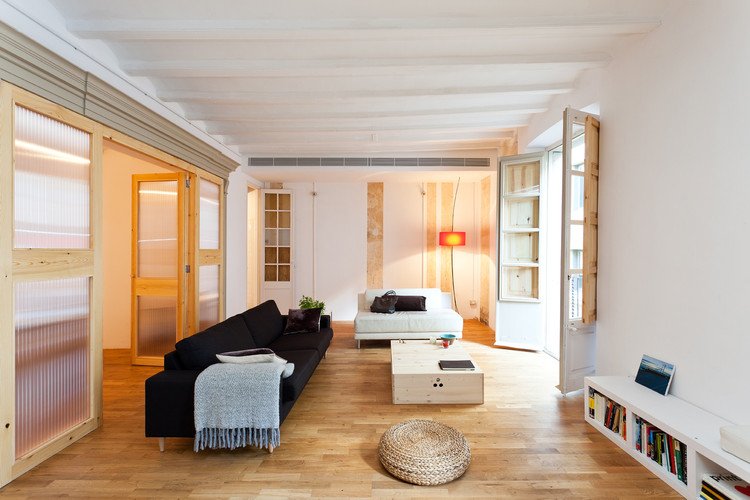
Many international buyers and renters arrive expecting every apartment to look like an Instagram listing.
In reality, Barcelona housing stock varies enormously: some apartments are beautifully renovated, while others suffer from poor light, thin walls, outdated plumbing, internal bedrooms, or significant street noise.
Helpful Barcelona Guides
Quick Link 3
Your First 30 Days Living in Barcelona
Once you arrive, the goal is to move from “visitor mode” into a stable daily routine as quickly as possible.
This is when practical setup matters most: registering your address, sorting healthcare, opening accounts, learning local transport, and testing whether your chosen neighborhood actually fits your life.
Admin Setup
- Register your address with the empadronamiento
- Finalize bank account setup
- Activate phone and internet
- Confirm insurance and healthcare access
Daily Life Setup
- Get your T-mobilitat transport card
- Find local pharmacies and clinics
- Test school or work commutes
- Learn your closest markets and supermarkets
Neighborhood Reality Check
- Walk the area morning and evening
- Check noise at night
- Compare commute times in real conditions
- Notice whether the rhythm feels sustainable
Frank’s take: the first month is when Barcelona starts to reveal itself. Some areas feel magical on a weekend visit but less practical on a Tuesday morning school run or late-night commute.

Quick Link 4
Choosing the Right Barcelona Neighborhood
Most Important Decision
Lifestyle fit usually matters more than apartment size.
One of the biggest relocation mistakes people make is treating Barcelona like a single lifestyle.
In reality, the city changes dramatically from neighborhood to neighborhood. The difference between living in Sarrià, Poblenou, Gràcia, or the Gothic Quarter can completely reshape your daily routine, noise levels, commute, social life, and even stress level.
Families
Usually prioritize schools, green space, quieter evenings, and predictable commutes.
Professionals & Digital Nomads
Usually want cafés, coworking, beach access, walkability, and strong transport links.
City & Culture Lovers
Usually prefer energy, historic streets, nightlife, architecture, and walk-everywhere living.
Frank’s Advice
People often over-focus on apartment interiors and under-focus on street atmosphere, sunlight, commute fatigue, noise, and daily rhythm. Those are usually the things that determine whether you actually enjoy living somewhere long term.
Start Here if You’re Still Unsure
If you are still trying to understand how Barcelona’s neighborhoods compare, this guide is the best starting point:
Explore Barcelona NeighborhoodsBarcelona Relocation Questions