
Barcelona property buying guide
Using the Seller’s Agent in Barcelona? Understand Who They Actually Work For.
Let’s be very clear: the seller’s agent works for the seller. Full stop.
Their job is to protect the seller’s interests, maximize the sale price, manage the transaction for the owner, and get the property sold under the best possible terms for their client — not for you as the buyer.
That does not automatically make seller’s agents dishonest or unethical. Many are professional and helpful. But foreign buyers often misunderstand the relationship and assume the listing agent is somehow acting as a neutral advisor. In Spain, especially in Barcelona, that assumption can become expensive.
The reality is simple: when you use only the seller’s agent, you are usually negotiating against a professional while having nobody fully representing your side of the transaction.
The core issue
In competitive Barcelona property markets, information asymmetry matters. The seller’s agent usually knows: the seller’s motivation, competing interest, negotiation flexibility, pricing strategy, and weaknesses in the property — while buyers often enter the process with far less local knowledge.
Barcelona buyer reality
What Buyers Often Realize Too Late
Barcelona is extremely easy to romanticize.
You walk through an apartment with original tiles, high ceilings, sunlight pouring through old shutters, a terrace downstairs serving vermouth, and suddenly the entire lifestyle starts feeling real.
That emotional reaction is part of what makes Barcelona special. But it is also the exact moment buyers can stop evaluating the property objectively.
The seller’s agent is usually helping you fall in love with the property. They are not usually helping you pressure-test the decision from a buyer’s perspective.
Noise Changes Everything
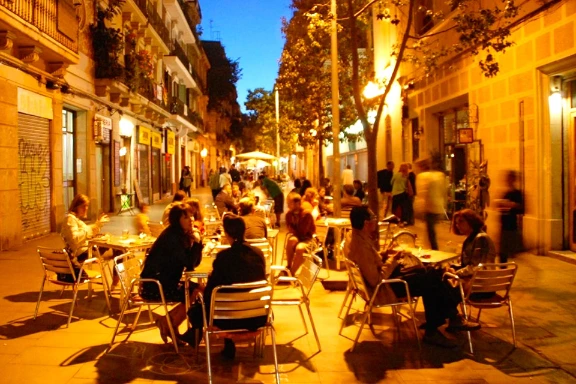
A street that feels charming during a 2pm viewing can become exhausting at night because of terraces, scooters, nightlife, deliveries, tourists, or rubbish collection.
Buildings Can Hide Expensive Problems
Older Barcelona buildings may have upcoming façade repairs, roof issues, elevator upgrades, damp problems, or community projects that become costly later.
Some Apartments Photograph Better Than They Live
Wide-angle photos can hide dark interiors, awkward room flow, poor storage, tiny bedrooms, interior-facing windows, or layouts that become frustrating over time.
The Emotional Purchase Trap
Foreign buyers often arrive already emotionally committed to the idea of a Mediterranean lifestyle upgrade: walkability, terraces, beach life, café culture, sunshine, architecture, and the fantasy of “starting a new life.”
The danger is not falling in love with Barcelona. The danger is falling in love with Barcelona so quickly that you stop evaluating whether the actual property is truly a good long-term fit.
Good Buyer Representation Changes the Questions
A buyer-focused process is not about “killing the excitement.” It is about slowing things down enough to evaluate the purchase properly before committing serious money.
“Would experienced local buyers consider this overpriced?”
“How does this street actually feel at night?”
“What compromises am I making here?”
“Will this still feel practical in five years?”
Not Sure If a Property Is Actually a Good Deal?
Most buyers only realise the risks after they’ve already fallen in love with a property. A quick second opinion before you move forward can save you time, money, and a lot of stress.
If you’ve seen something on Idealista (or elsewhere), I’m happy to give you a clear, honest view on:
- Whether the price actually makes sense
- Any red flags in the building or layout
- If it’s worth viewing — or skipping entirely
If you’re new to buying in Spain, this overview from the Spanish property market gives a general idea of how transactions work — but every deal still needs proper evaluation.
Get a Second OpinionNo pressure — just a straightforward view so you can make a better decision.
A balanced view
When Using the Seller’s Agent Is Probably Fine
Not every buyer in Barcelona needs independent buyer representation.
Some buyers already understand the local market, know how to evaluate buildings, and feel comfortable negotiating and managing due diligence themselves.
The key is understanding the relationship clearly: being comfortable with the arrangement is different from believing the seller’s agent represents your interests.
The issue is not whether seller’s agents are good or bad. The issue is understanding whose priorities drive the transaction.
Experienced Investors
Buyers who already understand Barcelona pricing, building quality, negotiation dynamics, and local due diligence may feel comfortable managing the process directly.
Buyers With Strong Local Knowledge
People who have lived in Barcelona for years often already understand neighborhood personalities, street noise patterns, pricing realities, and common building issues.
Buyers With Strong Advisors
Independent lawyers, architects, tax advisors, and renovation professionals can already provide significant protection around the purchase process.
New-Build Purchases
New developments are usually more standardized and predictable than older Barcelona buildings, although pricing and contract review still matter enormously.
Where International Buyers Usually Get Into Trouble
The biggest problems tend to happen when buyers combine emotional excitement with limited local knowledge.
emotionally excited
unfamiliar with Barcelona neighborhoods
comparing prices to their home country
buying remotely under time pressure
That combination can easily lead to overpaying, rushing decisions, or buying properties that do not actually fit long-term lifestyle needs.
The Goal Is Not Conflict — It Is Clarity
Good buyer-side guidance is not about creating unnecessary friction with seller’s agents. Most successful Barcelona transactions are collaborative and professional.
The real goal is simply making sure someone is evaluating the purchase primarily from your perspective as the buyer rather than from the seller’s commercial position.
Buyer questions
Frequently Asked Questions
The biggest confusion for foreign buyers is usually not the paperwork — it is understanding who actually represents whom during the transaction.
Does the seller’s agent represent me as the buyer?
Usually no. In most Barcelona transactions, the seller’s agent primarily represents the seller’s interests and is working to help the seller achieve the best possible outcome.
Is dual representation legal in Spain?
Yes, but buyers should clearly understand that balancing both sides objectively can become difficult in practice, especially during negotiations.
Does this mean seller’s agents are dishonest?
No. Many are professional and helpful. The important thing is understanding who hired them and whose interests they are primarily protecting.
Do I need a buyer’s agent in Barcelona?
Not always. Experienced investors or buyers with strong local knowledge may feel comfortable without one. International buyers unfamiliar with Barcelona often benefit more from independent guidance.
Is a lawyer enough protection?
A good lawyer is extremely important for legal due diligence, but lawyers do not usually help evaluate pricing strategy, neighborhood fit, negotiation dynamics, or long-term livability.
Can I negotiate directly with the seller?
Almost never, most Barcelona transactions move through the listing agent. Communication and negotiation are managed through agents even when buyers are highly involved.
Before you buy in Barcelona
Falling in Love With Barcelona Is Easy.
Buying the Wrong Apartment Is Easy Too.
Most foreign buyers do not make bad purchases because they are careless.
They make mistakes because Barcelona is emotional: the architecture, the lifestyle, the terraces, the sunlight, the idea of starting a new chapter.
And when the seller’s agent is guiding the process, it is very easy to focus on the excitement while missing the things that matter later: noise, overpricing, poor buildings, bad layouts, future costs, or neighborhoods that simply do not fit your real lifestyle.
The most expensive mistakes in Barcelona property buying usually happen before buyers even realize they are making them.
Good buyer-side guidance is not about pressure. It is about slowing the process down enough to make smart decisions before committing hundreds of thousands of euros.