From the BHH Journal
Notes on buying property and living well in Barcelona.
Sants, Barcelona · Local Life · Property Guide
Living and Buying Property in Sants, Barcelona.
Local character. Exceptional connections. Practical homes in a neighborhood that many international buyers overlook.
Sants does not sell Barcelona through grand monuments or postcard-perfect streets. Its appeal is more useful: established local life, dependable transport, active squares, independent businesses and homes that can offer more practicality than the city’s headline neighborhoods.

Frank’s Opening Take
Sants is not Barcelona’s most immediately glamorous neighborhood. It may be one of its most useful places to live.
Buyers who dismiss it after seeing the station or walking one busy commercial street often miss the quieter residential pockets, community squares and everyday convenience behind the first impression.
The buying decision still requires precision. Noise, building quality, natural light and the exact relationship to the station, Carrer de Sants and major traffic routes can change the experience within a few blocks.
A useful distinction
This guide focuses on the neighborhood of Sants, not the entire Sants-Montjuïc district. Nearby Hostafrancs, Sants-Badal and La Bordeta share some characteristics, but each creates a different residential and property-buying experience.
02 · Understanding Sants
One familiar name. Several very different buying experiences.
Property advertisements often use “Sants” broadly. But the old neighborhood core, commercial spine, station orbit and western edge do not offer the same atmosphere—or the same property trade-offs.
The social core
Plaça d’Osca and Old Sants
The most convincing expression of Sants as a lived-in, community-oriented neighborhood.
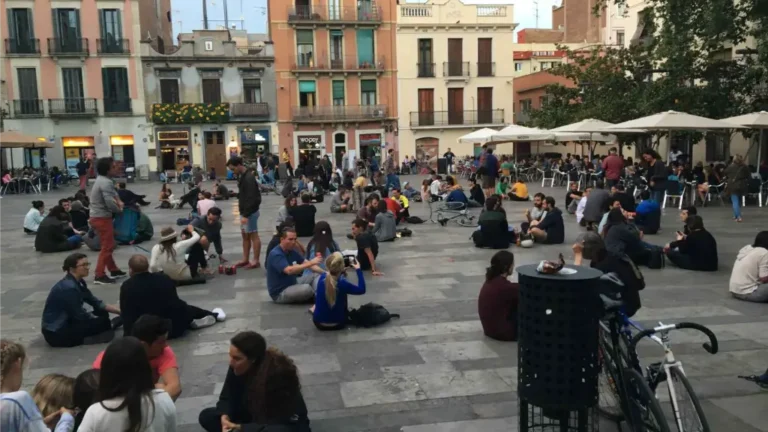
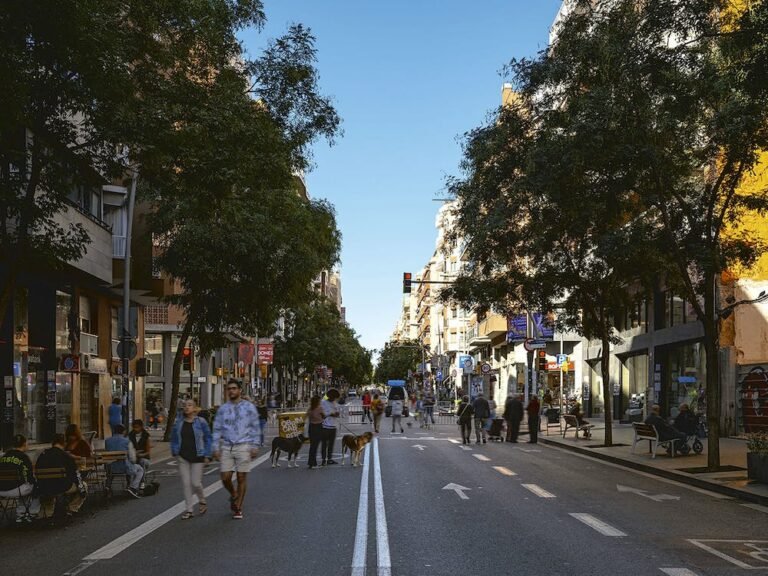
Around Plaça d’Osca and the surrounding pedestrian streets, Sants feels smaller, more social and more intimate than its transport-hub reputation suggests. Local restaurants, terraces, bakeries and neighborhood businesses create a daily rhythm that is difficult to see from the station.
The commercial spine
Carrer de Sants and the Market
Maximum everyday convenience—with a meaningful difference between living on the main street and living behind it.
Carrer de Sants provides extensive shopping, services and metro access. For many buyers, the strongest compromise is not directly above the commercial activity but on a nearby side street that preserves the convenience while reducing traffic, deliveries and pedestrian noise.
The transport orbit
The Sants Station Side
Exceptional regional and international connections—but the station should not become the neighborhood’s entire identity.
Proximity to Barcelona Sants can be enormously useful for commuters, frequent travelers and buyers with professional ties outside the city. The experience changes quickly once you move away from the station entrances, hotels and taxi activity into the surrounding residential streets.
The western comparison
Toward Sants-Badal and La Bordeta
A more residential search that may offer additional space or value, but crosses into neighboring areas with their own identities.
Listings farther west or south may still be marketed under the familiar Sants name. Some buyers prefer these quieter, less polished streets; others discover that they have moved too far from the squares and local life that originally attracted them. The official address and the walking experience both matter.
03 · Daily Life in Sants
Sants makes the strongest case for itself on an ordinary weekday.
The neighborhood is less about destinations and more about how easily work, shopping, transport, meals and social life fit together.
Because a neighborhood should work when nothing special is happening.
The neighborhood is already moving.
Bakeries open, families begin the school journey and commuters move toward the metro or Sants station. The advantage is obvious: most daily routes begin nearby rather than requiring a journey across the city.
Shopping still belongs to everyday life.
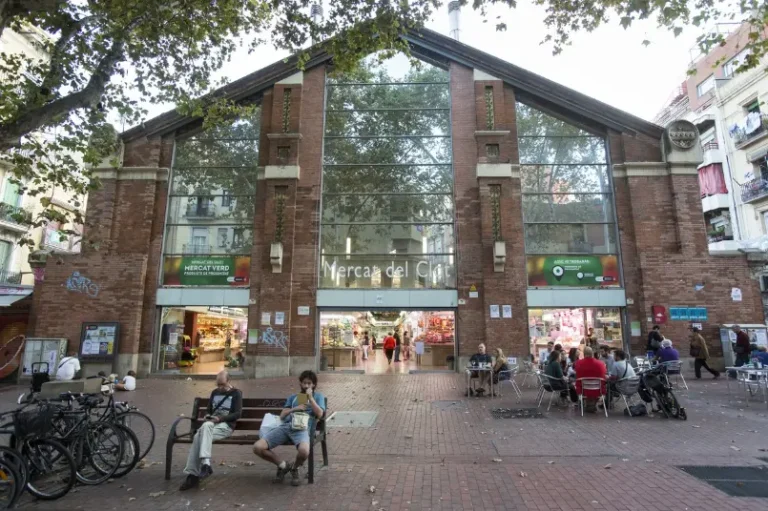
Carrer de Sants, Mercat de Sants and the surrounding businesses make it possible to handle groceries, household errands and appointments locally. The neighborhood feels commercial without being designed primarily for visitors.
The side streets become more important than the station.
Residents return home, children occupy the squares and terraces begin to fill around Plaça d’Osca. This is when Sants reveals the distinction between a transport interchange and a neighborhood with its own social rhythm.
Lively does not always mean nightlife-driven.
Restaurants and terraces create activity, but most of Sants does not operate like the Old City. The key question is whether your bedroom faces a social square, a delivery street, a traffic route or a quieter interior courtyard.
What this means for a buyer
Living in Sants is usually about reducing friction rather than collecting postcard views.
The neighborhood can make an ordinary week easier through useful transport, local shopping, familiar businesses and social spaces that remain active outside the tourist calendar.
The trade-off is that convenience creates movement. A property only a few metres from a commercial street, station route or popular square can feel very different from one around the corner.
04 · Homes and Buildings
In Sants, a beautiful apartment can still be the wrong purchase.
Buyers will find older walk-ups, practical post-war apartment blocks and increasingly polished renovations. The real value lies in light, layout, lift access, acoustics and the condition of the community behind the front door.
The property reality
Sants offers character, but rarely in one consistent architectural package.
A building may contain original beams, tiled floors or traditional balconies alongside altered layouts, ageing communal systems and decades of uneven renovation.
That makes Sants less about buying a recognizable style and more about identifying a sound apartment inside a sound building.
Older neighborhood stock
Traditional Walk-Ups
Modest façades, smaller communities and occasional historic details close to the old neighborhood core.
These homes can deliver the most atmospheric version of Sants, but layouts may be narrow, internal rooms common and lift access uncertain. Renovation quality varies enormously between apartments in the same building.
What it may give you
- Traditional balconies and higher ceilings
- Smaller-scale neighborhood character
- Occasional beams or original flooring
What to inspect
- Lift access and staircase condition
- Humidity, ventilation and internal rooms
- Roof, façade and communal maintenance
Mid-century housing
Practical Apartment Blocks
Less romantic from the street, but often more convincing for families and long-term daily life.
Later apartment buildings may provide lifts, more conventional room arrangements and stronger everyday functionality. The compromises can include smaller balconies, internal bedrooms, dated communal areas and inconsistent sound insulation.
What it may give you
- More practical bedroom distribution
- Better lift availability
- Homes suited to longer-term occupation
What to inspect
- Acoustic separation between apartments
- Condition of plumbing and electrics
- Light reaching rear and interior rooms
Updated and design-led
Renovated Homes
Attractive finishes can make Sants feel immediately accessible to international buyers—but finishes are not due diligence.
Renovated apartments range from careful, technically sound projects to cosmetic flips designed primarily for photographs. Buyers should understand what changed behind the walls, whether the layout is properly documented and how much original building risk remains.
What it may give you
- Move-in-ready convenience
- Improved kitchens, bathrooms and glazing
- A stronger blend of character and comfort
What to inspect
- Renovation permits and registered layout
- Electrical, plumbing and insulation work
- Whether pricing reflects quality or styling
Before evaluating the decoration
Read the building before falling for the apartment.
A beautiful renovation cannot compensate for an unhealthy community, unresolved building work or a fundamentally dark orientation.
05 · Transport and Connectivity
Sants connects you to almost everywhere. Your apartment should not feel like part of the station.
Transport is one of the strongest reasons to live in Sants. The buyer’s task is to capture the mobility advantage without accepting unnecessary noise, traffic or station activity.
The connection board
Sants works at several scales: across Barcelona, across Catalonia and beyond it. That can materially change daily life for commuters, frequent travelers and internationally connected households.
Everyday Barcelona
Metro and city connections
Sants Estació provides L3 and L5 access, while Plaça de Sants connects with L1 and L5. The useful question is not merely which station is closest, but which line supports the journeys you actually make.
Catalonia and the region
Rodalies and regional rail
Regional and suburban services connect Sants with destinations across metropolitan Barcelona and Catalonia. This is especially valuable for buyers commuting outside the center or maintaining professional and family connections beyond the city.
Spain and international travel
High-speed and long-distance rail
Direct access to high-speed and long-distance services can make Sants unusually practical for frequent travel. For some buyers, being able to reach a major train departure without crossing Barcelona is a meaningful long-term lifestyle advantage.
Airport access
Useful—but route-dependent
Rail, metro connections, buses and taxis provide several airport strategies. The best option depends on the terminal, service conditions, luggage and time of day, so buyers should test the route they would genuinely use rather than relying on a headline travel time.
Translate connectivity into livability
How close to the station do you actually want to be?
There is no universally correct distance. The best position depends on how frequently you travel and how sensitive you are to movement, traffic and temporary construction.
Immediate station orbit
Maximum convenience
Best suited to frequent travelers who value speed over atmosphere. Test taxis, buses, hotels, deliveries, pedestrian traffic and the bedroom orientation carefully.
The balance zone
Connected but residential
Often the strongest compromise: a manageable station walk while the immediate street feels more like a neighborhood than a transport interchange.
Deeper into Sants
Local life first
Better suited to buyers prioritizing squares, quieter residential streets and everyday neighborhood identity over immediate long-distance access.
Current buyer context
Barcelona Sants is not a static piece of infrastructure.
The station and its surroundings are undergoing a significant transformation. That may improve accessibility and the public realm over time, but construction can also alter entrances, pedestrian routes, traffic patterns and the immediate living experience during different phases.
Before buying near the station, review the latest information through the official Adif Barcelona Sants transformation page .
06 · Community and Local Culture
Sants feels like a neighborhood because people use it like one.
Its identity is built through squares, markets, independent businesses, associations and annual traditions—not through a collection of attractions designed for visitors.
The local rhythm
Living in Sants means participating in a neighborhood that already has an established social structure. Buyers do not need to know everyone, but those who shop locally, return to familiar places and take an interest in community life usually understand the area much faster.
Social spaces
Life gathers in the squares.
Plaça d’Osca shows a more intimate version of Sants than the station or main commercial streets.
Terraces, benches and familiar meeting points give residents places to pause rather than simply pass through. For buyers, proximity to a square can be a significant lifestyle advantage—but living directly above one requires an honest assessment of evening sound.
Food and commerce
Daily shopping still feels local.
Markets, bakeries, produce shops and independent businesses remain part of an ordinary week.
Carrer de Sants provides extensive shopping, while Mercat de Sants and surrounding streets support a more neighborhood-scale routine. The food scene is diverse and generally less dependent on tourism than central Barcelona’s most heavily visited areas.
Associations and culture
Community life has infrastructure.
Cultural centers, associations and neighborhood organizations give Sants a civic identity beyond shopping and transport.
Spaces such as Cotxeres de Sants support activities, performances and community programming. This does not mean every newcomer immediately becomes part of local life, but the neighborhood offers genuine opportunities to participate rather than merely consume.
Festa Major de Sants
21–30
August 2026
The neighborhood takes over its own streets.
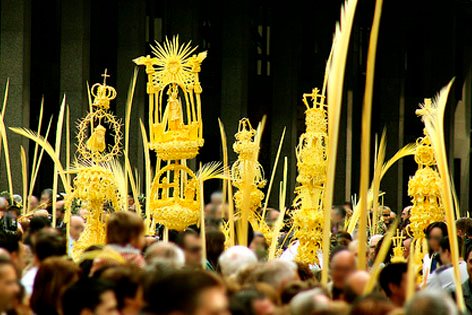
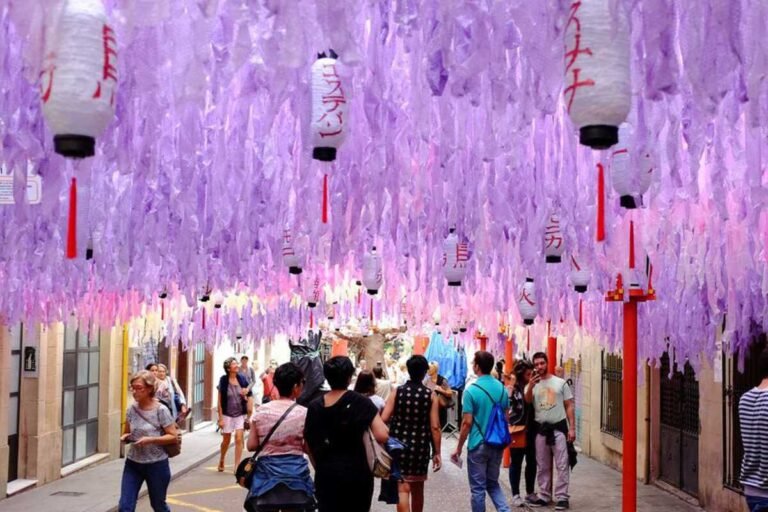
The annual Festa Major brings decorated streets, community meals, concerts and public celebrations into the neighborhood. It is one of the clearest demonstrations that Sants is not simply a convenient residential location—it is a place with collective memory and strong local participation.
It is also a useful buyer reminder: a quiet street during a February viewing may become a major celebration space in August. That can be joyful, inconvenient or both.
Check Barcelona’s official activities calendar →Translate atmosphere into daily fit
What community-oriented living actually asks of you.
The neighborhood works best when buyers value participation, familiarity and ordinary routines—not anonymity or a permanently curated lifestyle.
Return to the same places
Local life becomes more valuable when the bakery, market and café become part of your regular week.
Accept occasional intensity
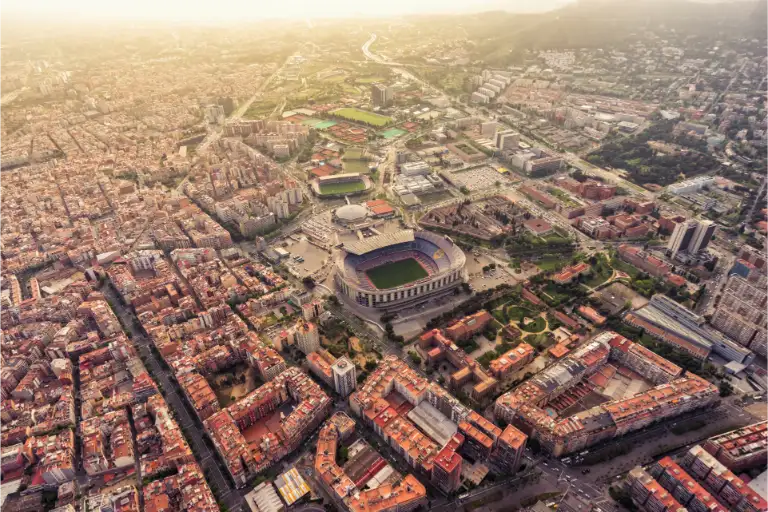
Festivals, football, terraces and community events sometimes make a residential neighborhood louder.
Respect the existing identity
Sants is not waiting to be discovered. New residents join a neighborhood with its own history and priorities.
Learn beyond the listing
The nearby square, market, community center and annual calendar may shape life as much as the apartment itself.
07 · Who Sants Works For
Sants works best for buyers who value usefulness over status.
This is not the neighborhood most buyers choose to impress someone. It is the one they choose when they want daily life to function well.
The fit question
Sants is easy to underestimate—and equally easy to romanticize once someone decides they want “authentic Barcelona.”
The better question is whether its combination of local identity, commercial activity, transport and mixed housing stock supports the way you genuinely expect to live.
Strong fit
Buyers likely to understand Sants quickly
Commuters and frequent travelers
Buyers who regularly use metro, regional rail or high-speed trains may gain meaningful time and flexibility from living near—but not necessarily beside—the station.
Families prioritizing practical routines
Local shopping, transport, schools, squares and everyday services can make Sants work well for households that prioritize function over prestige.
Value-conscious city buyers
Buyers willing to compare buildings carefully may find more practical layouts or stronger overall value than in Barcelona’s most heavily branded neighborhoods.
People seeking an established local identity
Sants suits newcomers who appreciate neighborhood businesses, community traditions and a place that does not revolve around international residents.
Think carefully
Buyers who may prefer another neighborhood
Postcard-first buyers
Buyers seeking dramatic architecture, iconic boulevards or historic atmosphere outside every window may feel more emotionally connected to Eixample, Gràcia or the Old City.
Extremely noise-sensitive buyers
Quiet homes exist, but commercial streets, station routes, terraces, festivals and traffic require precise street and bedroom orientation.
Buyers expecting premium building amenities
Concierge service, pools, large terraces, modern garages and development-style facilities are less central to the Sants housing proposition.
Buyers seeking an international bubble
Sants is diverse, but it is not organized around an expat lifestyle. Buyers wanting English-first services and an immediately international social scene may prefer other parts of Barcelona.
The Sants self-test
Five questions before adding it to your shortlist.
If most of these answers feel positive, Sants deserves a proper street-level search rather than a quick station-area impression.
- Do you value transport and everyday convenience more than living beside Barcelona’s most famous architecture?
- Would you enjoy returning to the same market, bakery, café and local businesses each week?
- Are you willing to compare individual streets and buildings rather than judging the neighborhood as one uniform market?
- Can you accept occasional festival, terrace or football-related activity in exchange for a stronger community rhythm?
- Would a practical apartment with good light, a lift and a healthy building matter more to you than decorative prestige?
07 · Who Sants Works For
Sants works best for buyers who value usefulness over status.
This is not the neighborhood most buyers choose to impress someone. It is the one they choose when they want daily life to function well.
The fit question
Sants is easy to underestimate—and equally easy to romanticize once someone decides they want “authentic Barcelona.”
The better question is whether its combination of local identity, commercial activity, transport and mixed housing stock supports the way you genuinely expect to live.
Strong fit
Buyers likely to understand Sants quickly
Commuters and frequent travelers
Buyers who regularly use metro, regional rail or high-speed trains may gain meaningful time and flexibility from living near—but not necessarily beside—the station.
Families prioritizing practical routines
Local shopping, transport, schools, squares and everyday services can make Sants work well for households that prioritize function over prestige.
Value-conscious city buyers
Buyers willing to compare buildings carefully may find more practical layouts or stronger overall value than in Barcelona’s most heavily branded neighborhoods.
People seeking an established local identity
Sants suits newcomers who appreciate neighborhood businesses, community traditions and a place that does not revolve around international residents.
Think carefully
Buyers who may prefer another neighborhood
Postcard-first buyers
Buyers seeking dramatic architecture, iconic boulevards or historic atmosphere outside every window may feel more emotionally connected to Eixample, Gràcia or the Old City.
Extremely noise-sensitive buyers
Quiet homes exist, but commercial streets, station routes, terraces, festivals and traffic require precise street and bedroom orientation.
Buyers expecting premium building amenities
Concierge service, pools, large terraces, modern garages and development-style facilities are less central to the Sants housing proposition.
Buyers seeking an international bubble
Sants is diverse, but it is not organized around an expat lifestyle. Buyers wanting English-first services and an immediately international social scene may prefer other parts of Barcelona.
The Sants self-test
Five questions before adding it to your shortlist.
If most of these answers feel positive, Sants deserves a proper street-level search rather than a quick station-area impression.
- Do you value transport and everyday convenience more than living beside Barcelona’s most famous architecture?
- Would you enjoy returning to the same market, bakery, café and local businesses each week?
- Are you willing to compare individual streets and buildings rather than judging the neighborhood as one uniform market?
- Can you accept occasional festival, terrace or football-related activity in exchange for a stronger community rhythm?
- Would a practical apartment with good light, a lift and a healthy building matter more to you than decorative prestige?
08 · Street-Level Market Reality
Sants is uneven. The better purchase may sit closer to its edges.
This is not an undiscovered beautiful neighborhood. It is a rough, practical and highly variable part of Barcelona where a few blocks can materially change both the lifestyle and the buying logic.
Frank’s Reality Check
Sants proper can feel grimy, congested and visually disappointing.
The station brings enormous convenience, but it also brings taxis, buses, hotels, construction, luggage traffic and streets that often feel more functional than residential.
As the urban fabric moves toward Hostafrancs, Plaça d’Espanya and the Eixample edge, the area can begin to feel more ordered and familiar. The strongest purchase is therefore not always in the nominal heart of Sants.
Read the street—not the label
Property portals frequently use “Sants” as a broad marketing term. A buyer should instead identify the actual neighborhood, station relationship, commercial exposure and route through the surrounding streets.
Maximum transport · Maximum exposure
The Station Core
Highly useful, frequently unattractive and easy to overvalue because of connectivity.
The immediate station orbit can feel hard-edged and transitory. Hotels, traffic, taxi circulation, temporary construction and travelers moving through the area weaken the residential atmosphere.
Useful · Busy · Visually inconsistent
Carrer de Sants
Excellent for errands. Less convincing as the view immediately outside the apartment.
The commercial spine offers extensive shopping, metro access and practical services, but it is busy, visually cluttered and exposed to deliveries and pedestrian movement. The more attractive buying position is often one or two streets behind it.
Local identity · Modest housing
Old Sants and Plaça d’Osca
The strongest community atmosphere, but not a uniformly attractive or high-quality housing market.
Plaça d’Osca and surrounding streets provide a more intimate, sociable version of Sants. Housing can still be dark, narrow, noisy and contained within older buildings with inconsistent maintenance. Community character should not be confused with property quality.
More ordered · Better park access
Toward Hostafrancs and Plaça d’Espanya
The urban environment begins to resemble a less polished, lower-end extension of Eixample.
As the search moves toward Plaça d’Espanya and the Eixample edge, blocks can feel more legible, transport remains strong and Parc de Joan Miró becomes a genuine lifestyle asset. This is no longer Sants proper in every case, so buyers must check the official neighborhood rather than relying on listing language.
Two parks buyers often confuse
Green space improves the proposition—but location matters.
Both parks are useful, but they offer different environments and sit in different relationships to Sants.
Immediately beside Sants station
Parc de l’Espanya Industrial
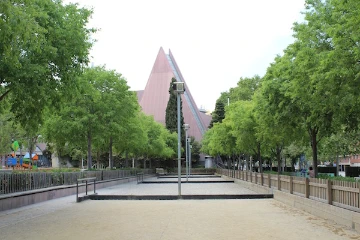
A distinctive urban park built on former industrial land, with a lake, monumental structures, sports areas and the well-known dragon slide.
It provides valuable open space beside the station, although its hard landscaping and unusual design do not create the same experience as Barcelona’s greener, more traditional parks.
Beside Plaça d’Espanya · Eixample side
Parc de Joan Miró
A substantial urban green space known for Joan Miró’s Dona i Ocell sculpture, shaded areas and proximity to Plaça d’Espanya.
It is not inside Sants proper, but access to it strengthens the lifestyle case for properties toward Hostafrancs and the Eixample edge.
Replace averages with property logic
What deserves a premium—and what requires a discount.
Sants should be evaluated through genuinely comparable properties, not a district-wide average.
Worth paying more for
- Exterior natural light and open orientation
- A lift in a well-maintained building
- Bedrooms protected from commercial and station noise
- A practical layout with broad future appeal
- Easy transport access without direct station exposure
- Proximity to useful parks and everyday services
Must be reflected in the price
- Station traffic, taxis, hotels or construction exposure
- Dark interiors and narrow ventilation patios
- No lift on an upper floor
- Commercial premises directly beneath the apartment
- Unresolved building work or weak community finances
- A cosmetic renovation hiding technical problems
The investment conclusion
Sants is a utility investment—not a prestige or transformation story.
Its defensible qualities are transport, established services and demand for practical Barcelona housing. That can support long-term ownership when the apartment has broad appeal.
The strategy should not depend on the neighborhood suddenly becoming beautiful, fashionable or internationally prestigious. Buy the property that already works.
09 · Compare Nearby Neighbourhoods
Sants is not the only way to buy practical, connected Barcelona.
If Sants almost works—but the environment feels too rough, busy or visually weak—several nearby neighborhoods solve similar problems with different costs and compromises.
Compare the compromise
Do not ask which neighborhood is universally better.
Ask whether you would rather sacrifice beauty, centrality, quiet, space, transport or budget. The answer usually makes the shortlist much clearer.
Closest alternative
Hostafrancs
The most natural comparison when Sants feels useful but the station core feels too harsh.
What it may do better
Plaça d’Espanya access, a more regular urban structure and a gradual transition toward the Eixample edge and Parc de Joan Miró.
What you trade
Less of the old Sants community identity and potentially higher pricing on the most convenient or better-presented streets.
Better suited to buyers who want neighborhood life with stronger centrality, architecture and food culture.
What it may do better
More attractive urban fabric, easier access to central Barcelona and a stronger immediately recognizable lifestyle.
What you trade
Higher competition, more nightlife and visitor pressure, and less likelihood of finding a practical bargain.
Stronger for buyers who want practicality without as much visual disorder, station activity or commercial intensity.
What it may do better
Calmer streets, more conventional apartment buildings, family practicality and a cleaner residential presentation.
What you trade
A higher entry point, less community intensity and weaker access to long-distance rail.
Better for buyers attracted to Montjuïc, restaurant energy and a stronger sense of central-city character.
What it may do better
Immediate access to Montjuïc, more distinctive street life and a livelier evening atmosphere.
What you trade
More nightlife noise, steeper streets, older housing challenges and weaker regional transport.
Better for buyers who want Barcelona’s familiar architecture, central grid and larger pool of premium apartments.
What it may do better
Architectural character, broader centrality, more elegant streets and stronger international recognition.
What you trade
Higher pricing, heavier traffic on major streets and more competition for strong apartments.
Quieter and more peripheral
La Bordeta
Worth comparing when the goal is residential calm, additional space or a lower-profile neighborhood rather than central-city polish.
What it may do better
A quieter local rhythm, selected larger homes and less direct exposure to the station and central commercial corridor.
What you trade
Greater distance from central Barcelona, a more uneven urban environment and fewer streets with immediate buyer appeal.
The quick comparison
Start with the quality you are unwilling to sacrifice.
These are starting points, not substitutes for inspecting the exact street and building.
Best rail connections
Begin with Sants, then move away from the immediate station exposure.
Cleaner residential routine
Compare Les Corts.
Central lifestyle and food
Compare Sant Antoni.
Montjuïc and evening energy
Compare Poble-sec.
Architecture and prestige
Compare Eixample.
A quieter, lower-profile search
Explore La Bordeta.
10 · The Sants Viewing Method
A ten-minute viewing is not enough for Sants.
The apartment, building, street and station relationship must be tested separately. A polished interior can conceal noise, darkness, weak communal finances or a poor residential position .
The field method
Evaluate the property in four stages—not one viewing.
Begin before entering the building, test the apartment without the agent’s presentation, investigate the community and return when the neighborhood is operating differently.
Read the route and the block.
The viewing begins at the nearest station—not at the apartment door.
- Walk the route from the metro or railway station.
- Note hotels, bars, terraces and commercial premises nearby.
- Identify taxi, bus, delivery and pedestrian routes.
- Check whether the street feels residential or transitory.
- Look at neighboring façades and communal entrances.
- Confirm the official neighborhood—not only the listing label.
Turn off the presentation.
Stop looking at decoration long enough to understand the apartment.
- Open windows and listen from each bedroom.
- Turn off music, television and extractor fans.
- Identify which rooms receive genuine daylight.
- Check airflow through bedrooms and interior spaces.
- Look behind wardrobes and beneath windows for humidity.
- Test water pressure, electrical panel and window glazing.
Inspect what every owner shares.
The communal building can create costs the renovated apartment does not reveal.
- Inspect the entrance, staircase, roof access and façade.
- Check the lift’s legal status and maintenance.
- Ask about approved or proposed building assessments.
- Review community finances and unpaid owner debts.
- Identify commercial extraction systems or rooftop equipment.
- Confirm whether renovation work changed the registered layout.
Visit when the agent is no longer waiting.
A second visit can reveal more than the original property tour.
- Return during the morning or evening commute.
- Listen between 20:00 and 22:00.
- Check terrace, restaurant and delivery activity.
- Observe how the route feels after dark.
- Look for football, festival or event-related exposure.
- Speak with a resident when an appropriate opportunity arises.
The documents behind the apartment
Four reviews that should happen before commitment.
A viewing establishes interest. Documentation determines whether the property is safe to pursue.
Ownership and registered description
Confirm ownership, charges, registered surface and whether the legal description matches the apartment being sold.
Community minutes and accounts
Review recurring disputes, building projects, available funds, unpaid fees and approved extraordinary contributions.
Building inspection and works
Understand inspection status, deficiencies, façade or roof work and whether the lift or other communal installations are compliant.
Renovation and habitability
Confirm habitability, energy documentation, renovation permissions and consistency between the physical and registered layout.
Sants-specific warning signs
Problems that should slow the decision down.
None automatically makes the apartment impossible. Several together usually change the price—or end the pursuit.
Station-edge pricing
The seller asks for a connectivity premium while ignoring the property’s traffic, construction and visual exposure.
Decorative renovation
New surfaces are presented as a complete renovation, but technical systems and building risks remain undocumented.
“Quiet when closed”
The apartment only feels quiet with every window shut and mechanical cooling running.
Community uncertainty
Minutes, accounts or information about proposed building work are delayed, incomplete or described only verbally.
Listing geography
The advertisement relies on “Sants” while avoiding the exact neighborhood, block or walking relationship to the station.
10 · The Sants Viewing Method
A ten-minute viewing is not enough for Sants.
The apartment, building, street and station relationship must be tested separately. A polished interior can conceal noise, darkness, weak communal finances or a poor residential position .
The field method
Evaluate the property in four stages—not one viewing.
Begin before entering the building, test the apartment without the agent’s presentation, investigate the community and return when the neighborhood is operating differently.
Read the route and the block.
The viewing begins at the nearest station—not at the apartment door.
- Walk the route from the metro or railway station.
- Note hotels, bars, terraces and commercial premises nearby.
- Identify taxi, bus, delivery and pedestrian routes.
- Check whether the street feels residential or transitory.
- Look at neighboring façades and communal entrances.
- Confirm the official neighborhood—not only the listing label.
Turn off the presentation.
Stop looking at decoration long enough to understand the apartment.
- Open windows and listen from each bedroom.
- Turn off music, television and extractor fans.
- Identify which rooms receive genuine daylight.
- Check airflow through bedrooms and interior spaces.
- Look behind wardrobes and beneath windows for humidity.
- Test water pressure, electrical panel and window glazing.
Inspect what every owner shares.
The communal building can create costs the renovated apartment does not reveal.
- Inspect the entrance, staircase, roof access and façade.
- Check the lift’s legal status and maintenance.
- Ask about approved or proposed building assessments.
- Review community finances and unpaid owner debts.
- Identify commercial extraction systems or rooftop equipment.
- Confirm whether renovation work changed the registered layout.
Visit when the agent is no longer waiting.
A second visit can reveal more than the original property tour.
- Return during the morning or evening commute.
- Listen between 20:00 and 22:00.
- Check terrace, restaurant and delivery activity.
- Observe how the route feels after dark.
- Look for football, festival or event-related exposure.
- Speak with a resident when an appropriate opportunity arises.
The documents behind the apartment
Four reviews that should happen before commitment.
A viewing establishes interest. Documentation determines whether the property is safe to pursue.
Ownership and registered description
Confirm ownership, charges, registered surface and whether the legal description matches the apartment being sold.
Community minutes and accounts
Review recurring disputes, building projects, available funds, unpaid fees and approved extraordinary contributions.
Building inspection and works
Understand inspection status, deficiencies, façade or roof work and whether the lift or other communal installations are compliant.
Renovation and habitability
Confirm habitability, energy documentation, renovation permissions and consistency between the physical and registered layout.
Sants-specific warning signs
Problems that should slow the decision down.
None automatically makes the apartment impossible. Several together usually change the price—or end the pursuit.
Station-edge pricing
The seller asks for a connectivity premium while ignoring the property’s traffic, construction and visual exposure.
Decorative renovation
New surfaces are presented as a complete renovation, but technical systems and building risks remain undocumented.
“Quiet when closed”
The apartment only feels quiet with every window shut and mechanical cooling running.
Community uncertainty
Minutes, accounts or information about proposed building work are delayed, incomplete or described only verbally.
Listing geography
The advertisement relies on “Sants” while avoiding the exact neighborhood, block or walking relationship to the station.
11 · Sants Buyer FAQ
Direct answers to the questions buyers ask about Sants.
Sants is neither a hidden paradise nor an area buyers should automatically avoid. Its value depends on what you buy, where you buy it and why.
Before creating a shortlist
These answers address the neighborhood broadly. An individual apartment still requires a separate assessment of its street, orientation, building and legal documentation.
01 Is Sants a good neighborhood to live in?
Sants can be a good place to live for buyers who prioritize transport, practical shopping, local routines and relative value over architectural beauty or prestige.
It is visually uneven and parts of the station core feel rough, congested and unattractive. The exact street matters enormously.
02 Is Sants safe?
Most residential parts of Sants feel like ordinary urban Barcelona. The main station creates additional movement and opportunities for pickpocketing, luggage theft and other petty crime.
Buyers should test the route home after dark and assess the immediate block rather than relying on a broad neighborhood safety label.
03 What is the difference between Sants and Sants-Montjuïc?
Sants is one neighborhood. Sants-Montjuïc is a much larger administrative district containing several different neighborhoods, including Sants, Hostafrancs, La Bordeta and Poble-sec.
District-level descriptions and price averages should not be treated as though they describe Sants proper.
04 Is Sants noisy?
It can be. Noise may come from traffic, commercial activity, terraces, deliveries, festivals, football movement and the station orbit.
Quiet apartments exist, particularly on protected side streets or with rear-facing bedrooms. Always test the home with the windows open and during the evening.
05 What is the best part of Sants for buying property?
There is no universally best section. Many buyers find the strongest compromise on residential streets with convenient station and Carrer de Sants access—but without direct exposure to either.
Buyers wanting a more ordered, Eixample-like environment should also compare Hostafrancs, Plaça d’Espanya and the Eixample edge.
06 Is Sants suitable for families?
Sants can suit families who value transport, local shopping, community activity and practical daily routes.
The specific apartment remains decisive. Families should prioritize lift access, usable bedrooms, light, quieter orientation and safe walking routes over decorative renovation.
07 Is buying property in Sants a good investment?
Sants can support a sensible long-term purchase because transport, services and demand for practical housing are durable qualities.
It should not be treated as a speculative transformation story. The strongest investment is an apartment with broad residential appeal that already works today.
08 Should I buy close to Barcelona Sants station?
Frequent travelers may benefit enormously from station proximity, but the immediate station edge also brings traffic, hotels, construction and constant pedestrian movement.
For many buyers, the better position is an easy walk from the station on a genuinely residential street.
09 What parks are near Sants?
Parc de l’Espanya Industrial sits immediately beside Sants station and provides open space, sports areas, a lake and its distinctive dragon slide.
Parc de Joan Miró is closer to Plaça d’Espanya on the Eixample side. It is not inside Sants proper, but it can be a significant lifestyle benefit for homes toward Hostafrancs and the eastern edge.
10 Is Sants better than Hostafrancs?
Neither is universally better. Sants offers stronger old neighborhood identity and immediate railway access. Hostafrancs provides closer Plaça d’Espanya access and a transition toward a more Eixample-like urban structure.
The better choice depends on whether the buyer prioritizes community identity and rail access or a more ordered urban environment.
The short answer
Sants is not a neighborhood to buy on reputation.
It works when the individual apartment, building and block deliver enough practical value to outweigh the area’s rougher qualities.