Barcelona Home Hunter · Historic Core Guide
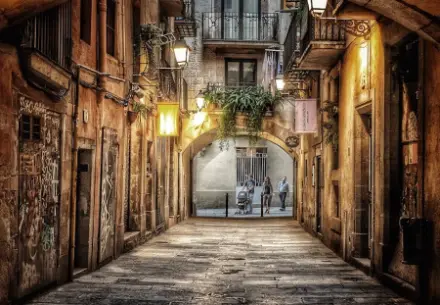
The Gothic Quarter is the version of Barcelona most people imagine before they move here — cathedral bells, medieval alleyways, hidden plazas, wrought-iron balconies, candlelit wine bars, and centuries of history compressed into a maze of narrow streets.
But buying here is very different from simply visiting. Behind the atmosphere, Barri Gòtic can be surprisingly complex: older buildings, inconsistent renovations, tourist pressure, noise variation, limited natural light, and major street-by-street differences all shape whether a property becomes magical or frustrating long term.
My take: the Gothic Quarter works best for buyers who genuinely want historic urban living — not just postcard Barcelona. If you buy well, the neighborhood can feel unforgettable. If you buy poorly, daily life can become difficult surprisingly quickly.
In this guide, we’ll break down the best streets and micro-areas, what to watch for when buying, which buyers the neighborhood actually suits, and when nearby areas like Eixample El Raval Sant Antoni may actually make more sense.
Explore the Gothic Quarter
Atmosphere • Light • Street-by-street reality
The Gothic Quarter Feels Magical — Until You Choose the Wrong Street
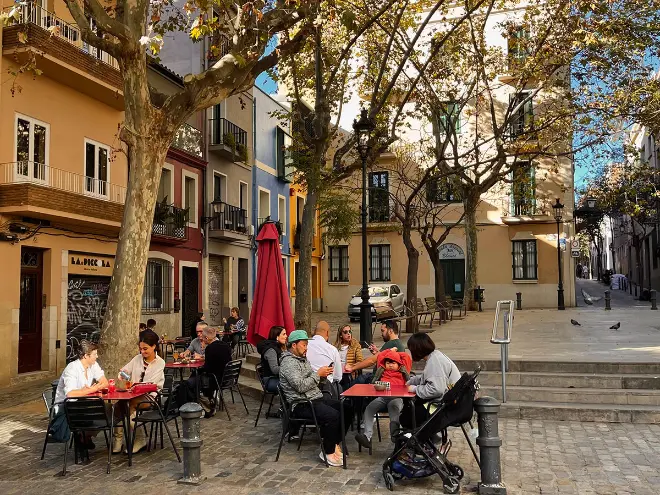
The Gothic Quarter is pure old-Barcelona atmosphere: narrow lanes, sudden plazas, stone façades, cathedral bells, wine bars, and hidden corners that feel almost theatrical. That is exactly why buyers fall for it.
But the same layout that makes the neighborhood beautiful also makes it complicated. Natural light, noise, privacy, lift access, ventilation, and tourist flow can change dramatically from one building to the next. In Barri Gòtic, the street is not a detail — it is the deal.
Micro-areas that matter
Best Streets, Busy Pockets & Hidden-Gem Corners
Iconic and visually stunning, but busier with visitors. Upper floors, rear bedrooms, and quality windows matter enormously.
Dramatic, central, and highly photographed. Beautiful for atmosphere, but tourist flow and soundproofing need careful attention.
Elegant arcades and real Barcelona drama, but late-night buzz can be intense. Prioritise elevation and acoustic insulation.
Often better for light and connectivity, especially toward El Born. Step one or two streets back and the feel can improve quickly.
Can be a sweet spot if you want central access without living directly on the busiest routes. Street choice is everything.
Insider tip: visit a target street three times — weekday morning, weekend evening, and late night. In the Gothic Quarter, bar deliveries, terrace spillover, glass collection, and tourist flow can matter as much as square meters.
Gothic Quarter Barcelona living & investing guide

Historic buildings • Renovation reality • Value drivers
Housing, Prices & What Buyers Often Underestimate
Buying in the Gothic Quarter is rarely just about the apartment itself. Here, the building, orientation, sound profile, communal condition, and exact street often matter just as much as the square meters.
The housing stock is a mix of historic walk-ups, partially renovated medieval buildings, and selected mid-century infill blocks. Some properties feel atmospheric and timeless. Others can feel dark, noisy, humid, or unexpectedly expensive to maintain once renovation work begins.
What drives premium pricing
The Features Buyers Fight Over
- Lift access, especially on higher floors
- Natural light and wider interior patios
- Double glazing and acoustic insulation
- Rear-bedroom layouts for quieter sleeping
- Balconies or terraces, which are genuinely rare here
- Renovations that preserve historic character without sacrificing practicality
What catches buyers out
The Checks You Cannot Skip
- ITE status and upcoming façade works
- Humidity behind walls and wardrobes
- Old plumbing and electrics
- Community finances and deferred maintenance
- Tourist noise, terrace spillover, and delivery routes
- How much direct sunlight the property actually receives
The reality behind the charm
Renovations, Tourist Licenses & Long-Term Livability
Renovating in Barri Gòtic can be rewarding, but older buildings often reveal additional costs once work starts. Uneven floors, hidden humidity, outdated electrics, structural reinforcement, and plumbing upgrades are all common surprises.
Important: tourist licenses are heavily restricted citywide. Most buyers should think in terms of lifestyle ownership, mid-term rentals, or long-term holding strategies — not short-stay Airbnb assumptions.
My general advice is to budget renovations conservatively and avoid stretching financially just to secure a “perfect” historic aesthetic. In the Gothic Quarter, practicality matters more than many buyers initially realize.
Compare nearby neighborhoods
How the Gothic Quarter Differs Nearby
vs Eixample : Eixample offers wider streets, more lifts, larger apartments, and generally easier day-to-day practicality. The Gothic Quarter trades that comfort for atmosphere and historic intensity.
vs Barceloneta: Barceloneta gives you beach access and a more maritime lifestyle, while Barri Gòtic keeps you inside Barcelona’s historic core with dramatically different architecture and atmosphere.
Logistics tip: if buying from abroad, sort your NIE number and mortgage pre-approval early. Strong Gothic Quarter properties can move quickly.
Insider tip: interior-facing homes can sometimes be dramatically quieter — but only if the patio is wide enough. In Barri Gòtic, orientation and airflow matter far more than buyers expect.
Daily life inside Barcelona’s historic core
Everyday Life, Food & Nightlife
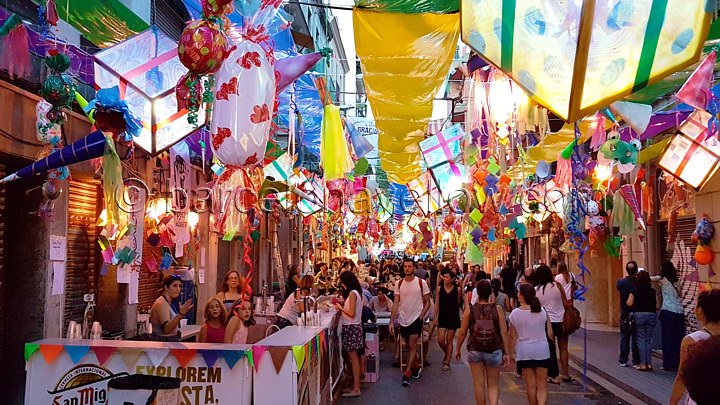
Living in the Gothic Quarter means living inside one of the most atmospheric parts of Barcelona. Your daily routine unfolds around hidden plazas, stone alleyways, cathedral bells, centuries-old buildings, and a constant flow of energy.
Some buyers fall completely in love with that intensity. Others eventually realize they want more space, more light, or quieter evenings. This is a neighborhood that feels incredibly alive — but rarely calm.
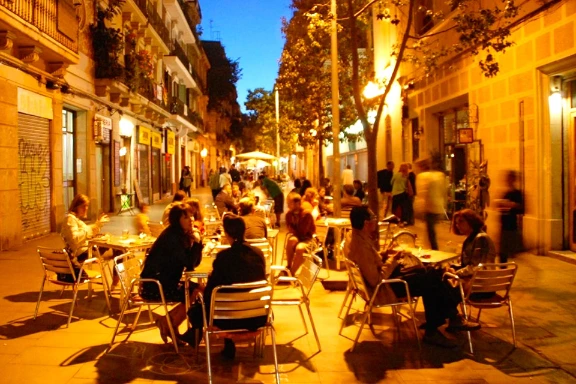
The best spots are usually hidden one or two streets away from the tourist flow. Old-school bodegas, wine bars, bakeries, and late-night tapas still exist here — but locals learn quickly which streets to avoid.
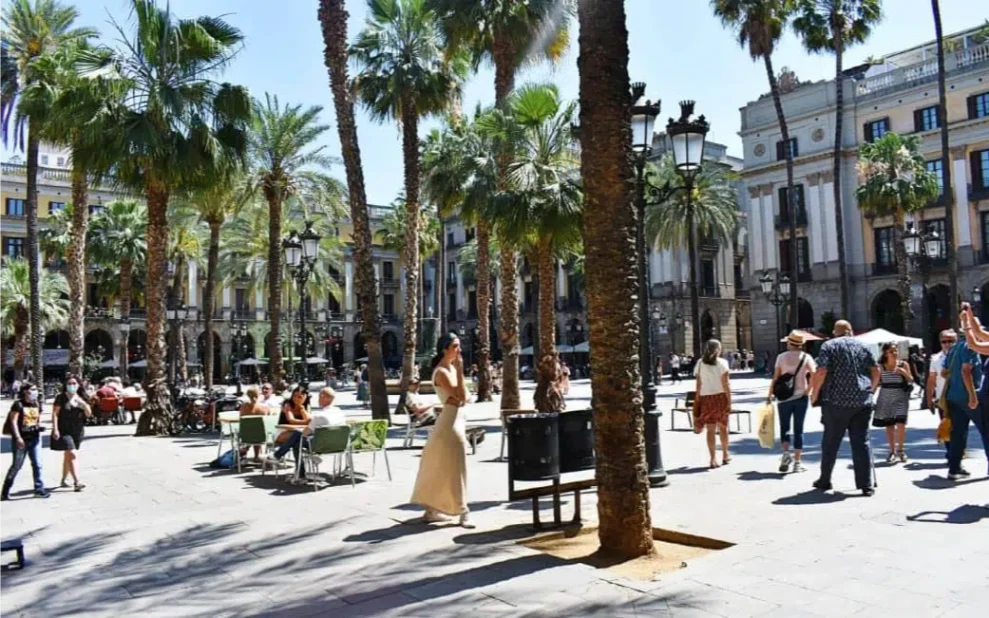
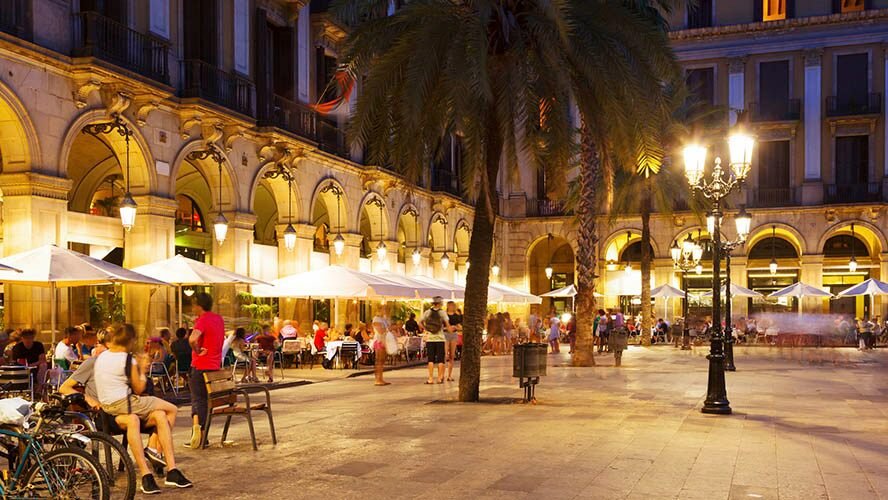
Areas near Plaça Reial, Carrer Ferran, and the cathedral routes stay lively late into the evening. One street can feel romantic and atmospheric; the next can feel exhausting at 2am.
The Gothic Quarter is one of Barcelona’s ultimate walk-everywhere neighborhoods. You are minutes from El Born, Port Vell, Plaça Catalunya, the waterfront, and some of the city’s most historic landmarks.
Connectivity & mobility
Transport & Accessibility
L3 at Liceu, L4 at Jaume I, plus easy access to Catalunya and Universitat give strong connectivity across the city.
Most errands can be handled on foot. Cycling works reasonably well once you know the street grid and avoid peak tourist routes.
The airport and Sants station are generally reachable within 30–40 minutes depending on route and traffic conditions.
Why buyers love it
The Upside
- Unmatched historic atmosphere
- One of the most walkable areas in Barcelona
- Strong emotional appeal and character
- Excellent for buyers who want central urban living
- Consistent demand from lifestyle renters and city-center lovers
What frustrates some buyers
The Trade-Offs
- Tourist crowds and seasonal intensity
- Noise near nightlife pockets
- Humidity and soundproofing variation
- Limited lifts and smaller layouts
- Less practical for cars, families, and modern-living expectations
Buyer fit
Who the Gothic Quarter Actually Suits
Best for: buyers who genuinely want historic urban living, walkability, atmosphere, and centrality over modern convenience.
Often a good fit for: professionals, couples, creatives, second-home buyers, and investors focused on long-term character locations.
Usually less ideal for: buyers prioritizing quiet family life, parking, larger modern layouts, or predictable building standards.
Insider tip: for realistic safety context and practical late-night street advice, see Is Barcelona a safe place to live? for neighborhood rankings and practical guidance.

Frank’s perspective
Final Thoughts on Buying in the Gothic Quarter
I still think Barri Gòtic is one of the most atmospheric neighborhoods in Barcelona — especially early in the morning before the crowds arrive. There are moments here when the city feels genuinely timeless.
But I would also say this very clearly: the Gothic Quarter is not a beginner-friendly neighborhood for property buyers. The difference between a great purchase and a frustrating one can literally be half a street, one floor higher, or a building with healthier community finances.
What I would personally prioritize: upper floors, strong natural light, verified building condition, proper glazing, rear-bedroom layouts, and streets that stay calmer after midnight.
If you want easier modern living, bigger layouts, lifts, and cleaner day-to-day practicality, you will probably be happier in Eixample or Sant Antoni .
But if what you truly want is historic Barcelona outside your front door — not just as a visitor, but as part of daily life — then the Gothic Quarter still offers something almost nowhere else in the city can replicate.
Gothic Quarter Buying Strategy
Need Help Navigating the Gothic Quarter Properly?
Buying in the Gothic Quarter is one of the few areas in Barcelona where micro-location analysis genuinely matters. The right block can mean dramatically better light, less noise, healthier buildings, and much stronger long-term livability.
I help buyers evaluate streets, building quality, renovation risks, pricing, investment potential, and whether Barri Gòtic is truly the right fit compared with nearby areas like El Born, Sant Antoni, or Eixample.
Particularly useful for buyers comparing Gothic Quarter vs El Born vs Sant Antoni, or trying to balance historic charm with long-term practicality.
Buyer questions
Gothic Quarter FAQ
Is the Gothic Quarter safe at night?
Generally yes, but it is still a dense tourist-heavy city center. Use normal big-city awareness, avoid the loudest late-night lanes, and stay alert for pickpocketing around crowded areas.
Do most Gothic Quarter buildings have elevators?
No. Many buildings are still walk-ups, especially older historic properties. Lift access can dramatically affect resale value and long-term comfort.
Is the Gothic Quarter a good investment?
It can be, especially for buyers focused on long-term lifestyle demand and historic character. The strongest properties tend to combine charm with practical livability features like light, quieter positioning, and quality renovation work.
What are the biggest red flags when buying here?
Humidity, poor soundproofing, limited natural light, weak community finances, and expensive future building works are the main issues buyers should investigate carefully.
I’m buying from abroad — what should I organize first?
Get your NIE and mortgage pre-approval in place early so you can move quickly when the right property appears.