Best Neighborhoods in Barcelona for Rental Investment and Long-Term ROI (2026)
If you’re comparing the best neighborhoods in Barcelona for rental investment, start with fundamentals: tenant demand, building quality, commute, and regulations. In practice, resilient yields usually come from areas that combine strong tenant demand with realistic entry pricing and limited vacancy. Below, I break down where we see the strongest long-term and mid-term opportunities—Sant Antoni, Poblenou, Les Corts, El Raval, and Navas. At the same time, adjacent areas like Poble-sec, beach-focused Barceloneta, the historic Gothic Quarter, fast-transforming La Sagrera, or value corridors like Camp de l’Arpa may offer better fit depending on tenant profile and risk tolerance.
How We Evaluate ROI (2026)
- True net yield: first, we model long-term or 6–11 month rents minus community fees, IBI, insurance, basic maintenance, and vacancy.
- Tenant resilience: next, we weigh proximity to metro, jobs (22@, universities, hospitals), and everyday amenities.
- Building factors: meanwhile, elevator, light, outdoor space, energy rating, and pending community works (roof/façade/lift) can materially change long-term returns.
- Regulatory fit: finally, Barcelona tightly restricts tourist licenses, so most investors should plan around mid-term/long-term strategies. See official guidance at habitatge.barcelona.
If you’re newer to the market, start with our Guide to buying property in Barcelona. Likewise, it’s worth reviewing the most common pitfalls to avoid before underwriting projected returns.
Best Neighborhoods in Barcelona for Rental Investment

Top Areas for Long-Term Rental Demand
Sant Antoni — Central, lifestyle-led demand
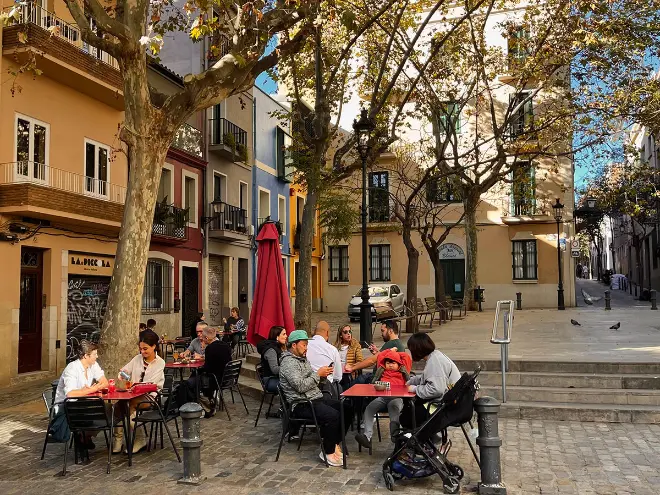
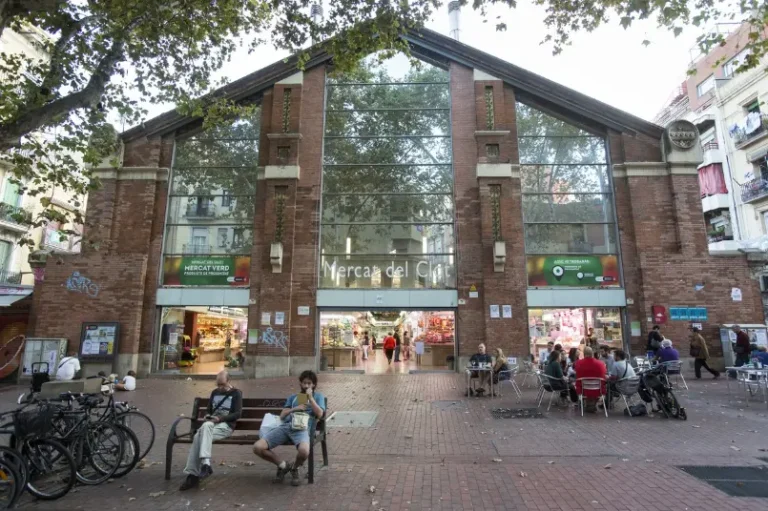
Between Eixample Esquerra and El Raval, Sant Antoni wins on walkability, the market, and food scene. Tenant profile: couples and professionals who pay a premium for location and light. Nearby, Poble-sec offers slightly lower buy-in with great tapas streets.
- Stock: Eixample-style flats; elevators common but not universal.
- Watch-outs: bar noise on Parlament/Comte Borrell; check community minutes for works.
Poblenou (Sant Martí) — 22@ jobs + beach lifestyle
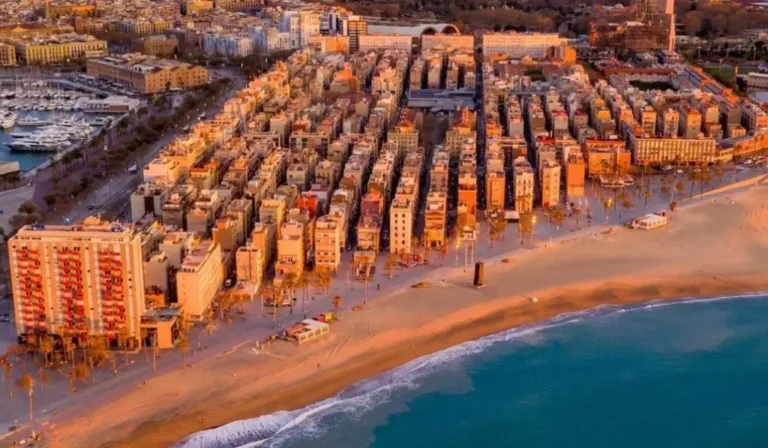
Poblenou blends newer buildings with the 22@ tech hub and beach access. Tenant profile: tech workers, remote pros, and families seeking modern amenities. If you want pure beach living, compare yields and livability with Barceloneta (smaller flats, heavier seasonality).
- Stock: terraces, parking, better energy ratings; some loft conversions.
- Watch-outs: construction pockets; verify community facilities and costs.
Les Corts — Stable, professional tenants
Les Corts is calm, connected, and close to business hubs and universities. Tenant profile: families and professionals prioritizing elevators, parking, and quiet buildings.
- Stock: mid-century to newer builds; concierge buildings common.
- Watch-outs: premium for larger terraces; confirm energy efficiency and HVAC.
El Raval — Higher yield potential, block-by-block due diligence
El Raval offers lower buy-in and strong demand from students and creatives. Tenant profile: budget-minded renters who want central living near MACBA and universities. If you’re weighing historic-core alternatives, compare with the Gothic Quarter for a different vibe and price point.
- Stock: mix of renovated lofts and older walk-ups.
- Watch-outs: night-time noise on certain streets; inspect building services and stairwells; verify windows/soundproofing.
Navas (Sant Andreu) — Value play with fast metro
Navas sits between Sant Andreu and Sant Martí with L1 straight to the center. Tenant profile: value-seeking locals and expats who want everyday Barcelona and good transport. For a regeneration angle, check next-door La Sagrera (new AVE hub), and for solid value nearby, consider Camp de l’Arpa.
- Stock: 1960s–80s buildings, some newer infill; elevators mixed.
- Watch-outs: check façade/roof works and lift status; interior light varies by patio width.
Long-term net yields in prime-to-middle Barcelona typically land in the mid-single digits depending on purchase price, condition, and holding costs. Rare outliers exist but usually carry higher risk, capex, or vacancy. Plan for conservative underwriting and upside via thoughtful refurb, better energy rating, and light/outdoor space.
Best Neighborhoods in Barcelona for Rental Investment

Barcelona Investment Strategy Tips (2026)
In Barcelona, the strongest buy-to-let strategy in 2026 is usually built around long-term rental demand, careful due diligence, and upgrades that improve livability rather than chasing short-term trends. These practical tips can help investors protect yield and reduce costly mistakes.
- Prioritize mid-term flexibility: where tourist licenses are unavailable, furnish the flat for 6–11 month stays with practical features like storage, a proper desk, fast internet, and quality beds.
- Spend capex where tenants feel it: upgraded windows, a smart lighting plan, and refreshed kitchens or bathrooms usually drive higher rents more effectively than paint alone.
- Get the documents early: ask for the community meeting minutes, debt certificate, IBI receipt, energy certificate, and cédula de habitabilidad before you get too far into negotiations. See our Barcelona property pitfalls checklist.
- Test the daily commute: tenants pay for convenience. Check metro access, Bicing stations, supermarkets, and walkability across target areas such as Poble-sec, Barceloneta, and La Sagrera.
- Underwrite conservatively: build in vacancy, maintenance, and community works. In older buildings, always reserve for possible lift, façade, roof, or structural contributions. You should also verify current usage and licensing rules on the official city housing portal: habitatge.barcelona.
Barcelona Rental Investment FAQ
Which Barcelona neighborhoods have the most resilient long-term rental demand?
Areas with strong transport links, good local amenities, and broad tenant appeal tend to be the most resilient. In practice, neighborhoods such as Sant Antoni, Les Corts, and Poblenou consistently attract professionals, couples, and international renters. More value-driven areas like Navas and Camp de l’Arpa can also perform well when the flat offers natural light, a lift, and an efficient layout.
Can I still get a tourist rental license in Barcelona?
In most cases, investors should assume that tourist rental licenses in Barcelona are heavily restricted. This applies across the city, including high-demand central areas such as the Gothic Quarter and Barceloneta. For that reason, many buyers focus on long-term lets or 6–11 month rentals. Always confirm the current position on the official city portal: habitatge.barcelona.
How long does it usually take to let a flat in Barcelona?
A well-presented and correctly priced flat in a strong rental corridor can often be let within 2–4 weeks outside peak holiday periods. Properties with standout features such as a terrace, lift, air conditioning, good insulation, or improved energy performance usually move faster, especially in neighborhoods like Sant Antoni and Poblenou.
What features increase rental value in Barcelona?
The biggest rent premiums usually come from natural light, outdoor space, elevator access, modern heating and cooling, and a quieter bedroom orientation. On the other hand, heavy street noise, dark interiors, and weak energy ratings can reduce achievable rent, particularly in tourism-heavy locations such as the Gothic Quarter.